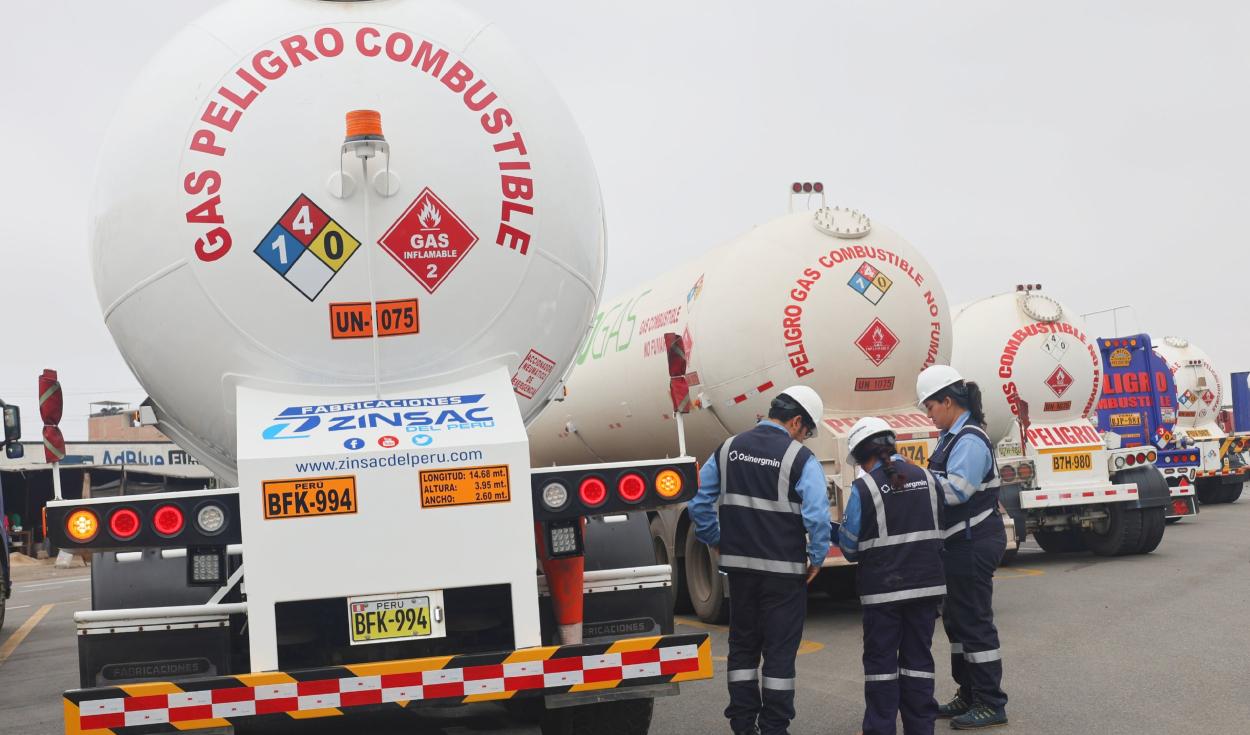
Peru's energy and mining regulator, the Organismo Supervisor de la Inversión en Energía y Minería (Osinergmin), has approved exceptional measures to make it easier for fuel companies to transport, import and store diesel, gasoline and liquefied petroleum gas (LPG). The move is meant to prevent shortages if the El Niño climate phenomenon disrupts roads and supply routes across the country.
The regulator said the new rules are designed to stop difficulties in moving these products from interrupting fuel supply at a national level.
The decision follows a hydrocarbons emergency declared by Peru's Ministry of Energy and Mines (Minem) through Ministerial Resolution No. 490-2026-MINEM/DM. Under that emergency declaration, Osinergmin will allow companies to use more transport and storage alternatives, with fewer administrative requirements for certain operations.
El Niño is a recurring climate pattern that warms waters in the Pacific Ocean and has historically brought heavy rains, flooding and landslides, known in Peru as huaicos, to the country's coast. Such events can damage roads and other infrastructure that fuel distributors rely on to move their products.
Diesel allowed in gasoline tankers
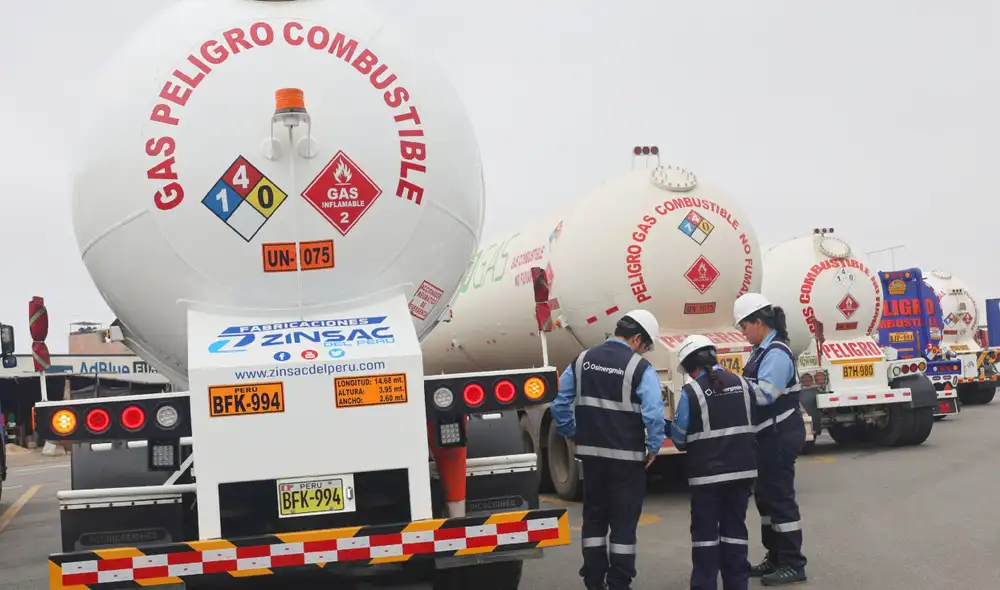
One of the main changes authorizes companies to transport diesel in vehicles currently certified to carry gasoline or gasohol, a blend of gasoline and ethanol sold in Peru. This lets firms use vehicles already available in the sector instead of limiting each tanker to the single fuel it was originally registered to carry.
Osinergmin will also allow a single operator to combine tractor units and tankers registered under different entries in its Hydrocarbons Registry, as long as they belong to the same operation. The regulator said this gives companies more ways to organize their available vehicles and respond to possible difficulties on their usual distribution routes.
The flexibility also extends to imported fuel. Osinergmin will let liquid fuel products and LPG enter the country and be transported in vehicles with foreign license plates, without requiring those vehicles to register in the Hydrocarbons Registry.
More options for storing and importing LPG
The measures expand the capacity available to store and distribute LPG. Companies will now be able to store the fuel at other supply plants without filing an additional registration with Osinergmin.
Tanker trucks used by bulk LPG distributors will also be allowed to take part in transport activities, which the regulator said would make more vehicles available to move the product.
A further change applies to LPG packaging companies already listed in Osinergmin's registry. These firms will be able to import the fuel directly without separately registering as importers, removing a step they previously had to complete to carry out that activity.
With these changes, companies will have more ways to obtain, move and store LPG at a time when weather conditions could complicate the normal operation of the supply chain, according to Osinergmin.
Safety requirements remain in place
The approved facilities do not remove the technical and safety obligations that operators must meet. Companies that make use of the new measures will still need to hold the required insurance policies and guarantee the conditions needed to carry out their activities.
Depending on the type of operation, companies must also notify Osinergmin in advance and submit the required documentation. The regulator said it will continue supervising and monitoring the fuel supply chain.
Osinergmin is Peru's regulatory body for investment in energy and mining, overseeing the safety and reliability of the country's electricity, hydrocarbons and mining sectors.
The regulator said the relaxation of certain administrative procedures is intended to give companies greater room to respond to possible logistical disruptions, without lifting oversight of how hydrocarbons are transported and stored.
Test yourself
Which Peruvian agency approved the new fuel measures?
What climate risk prompted the measures?
What change makes it easier to transport diesel?
Have your say
Do you think easing fuel transport rules is the right way to prevent shortages during El Niño?
Where it happened
Lima, Peru