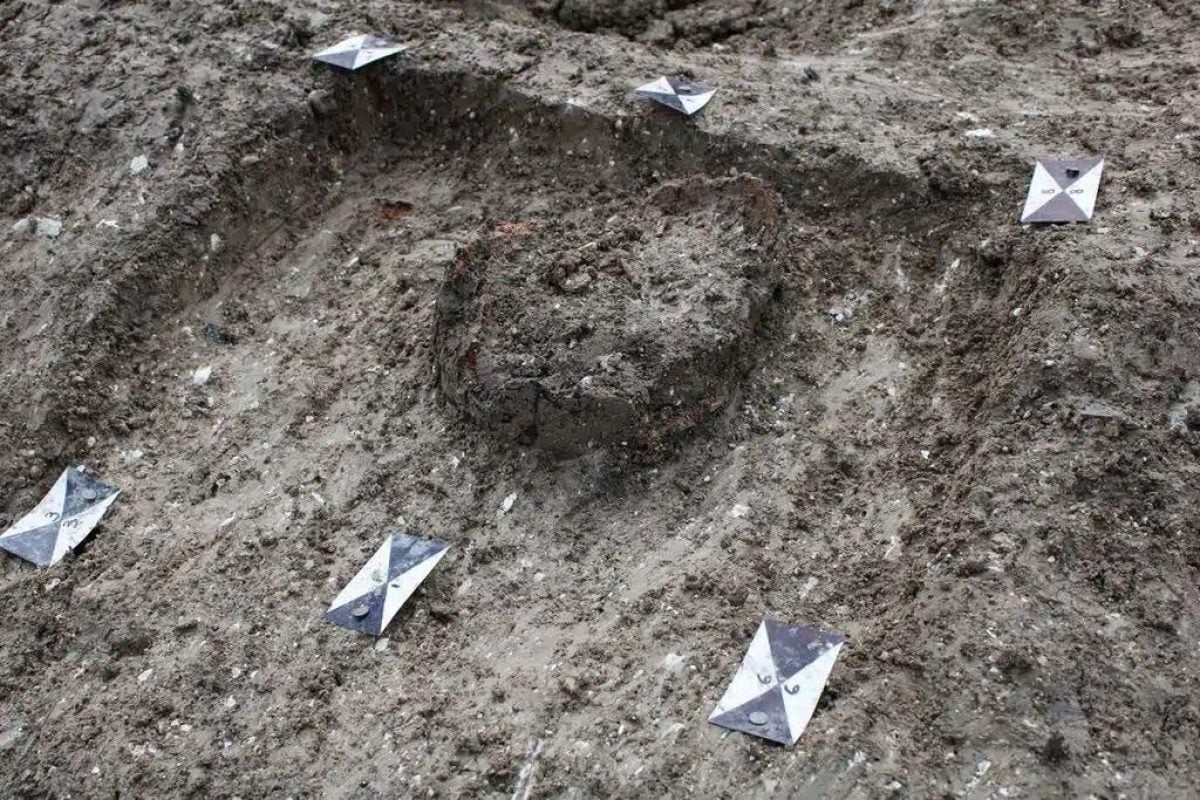
Paleontologists in Spain have recovered the fossilized remains of a titanosaur, including a neck stretching seven metres long, at the Molí del Piteu site near Isona, in the Lleida province of Catalonia. The size of the bones, including ribs longer than those of the previous record-holding specimen found in the same area, suggests the animal could be the largest titanosaur ever recovered in Europe, and researchers say it may even belong to a previously unknown species.
The discovery was made by a team from the Museu de la Conca Dellà and the Institut Català de Paleontologia Miquel Crusafont. The researchers said the fossils still need to be prepared and studied before the true scale of the animal can be established.
A rival to Abditosaurus kuehnei
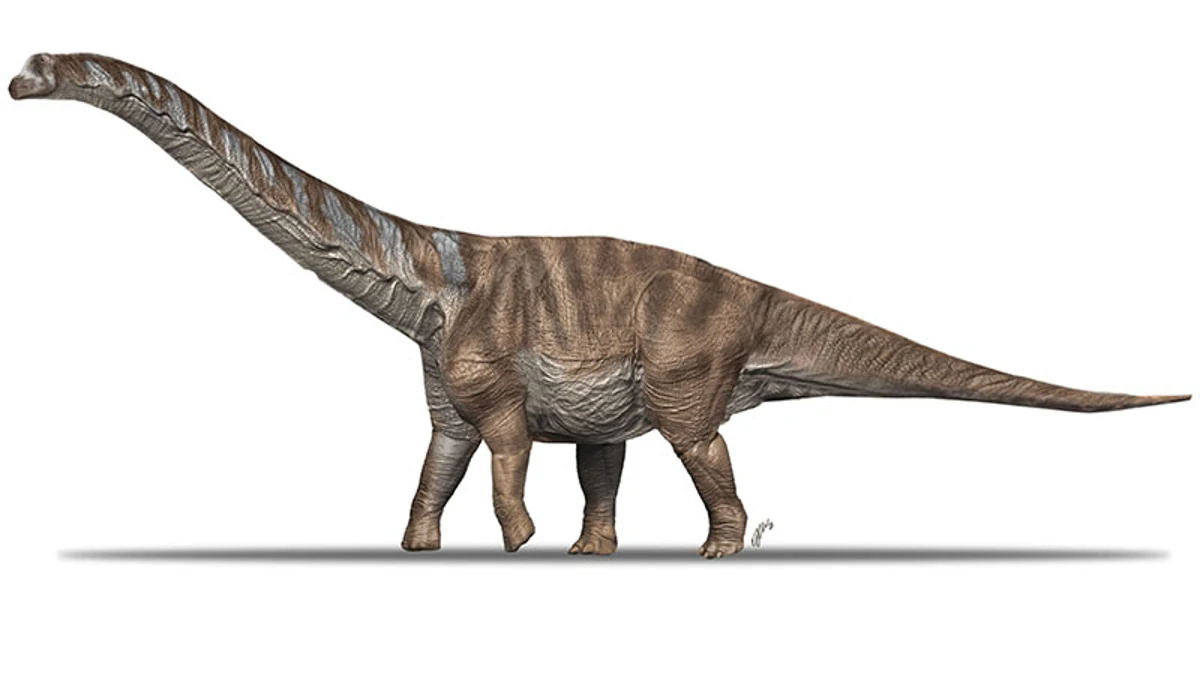
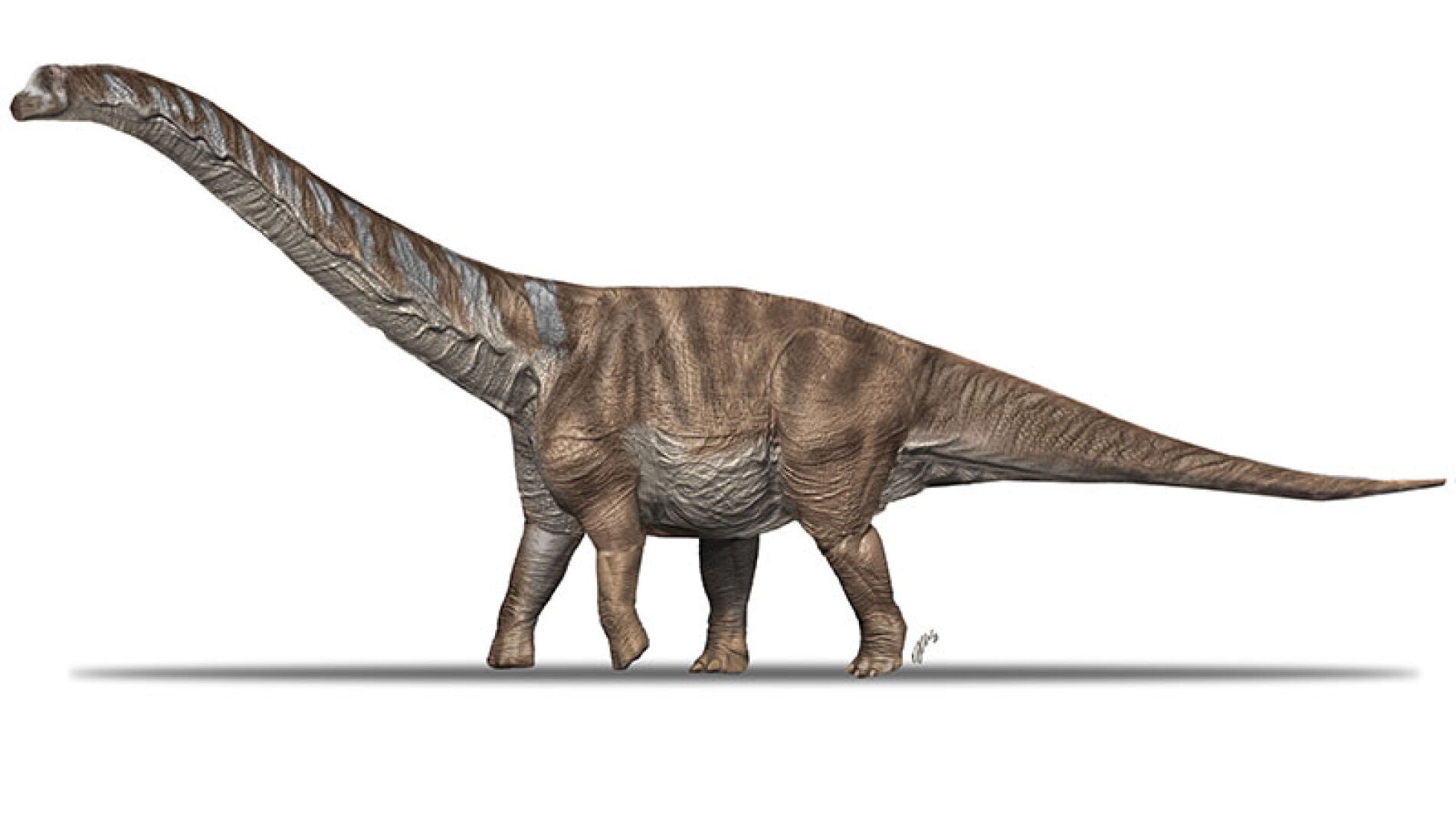
The new specimen could surpass Abditosaurus kuehnei, a titanosaur discovered in 2014 at the nearby Orcau site and described as a new species in 2022. That dinosaur measured around 17.5 metres long and weighed about 14 tonnes, and its partially articulated skeleton is the most complete titanosaur found in Europe to date.
The ribs recovered at Molí del Piteu are longer than those of Abditosaurus, an anatomical clue that points to an individual of extraordinary size, according to the paleontologists. They cautioned, however, that it is not yet possible to say how long the animal was from head to tail or how much it weighed in life.
Europe's lost archipelago
The site sits in a region that, around 70 million years ago, looked nothing like today's Pyrenean landscape. At the end of the Cretaceous period, Europe was an archipelago of islands, and much of what is now Catalonia consisted of coastal environments, deltas and wetlands.
Large herbivorous titanosaurs with long necks and tails lived in these habitats, feeding on vegetation. Paleontologists believe they moved in groups.
A delicate extraction
The scale of the find is reflected in the extraction itself. To remove the fossils, the team had to wrap them in a protective structure and lift a block of rock measuring about seven cubic metres and weighing 18 tonnes. The operation took around four hours.
Part of the front end of the block broke off during the maneuver, and the team will now need to check whether any bones were damaged as a result. The next stage of the work, removing the surrounding rock, cleaning the surfaces and studying each piece, will be far more delicate.
Bones still in their original position
One of the most promising signs is that some of the vertebrae appear to have kept the position they held in life, meaning they remain in anatomical connection. This suggests the carcass was not significantly displaced after death, for example by water currents.
Alongside the neck, the team recovered bones from the pectoral region, the front limbs and part of the head. Researchers said these pieces are especially valuable because they could provide anatomical information that was not available from the Abditosaurus specimen.
Numerous teeth from carnivorous dinosaurs were also found at the site, which researchers say could be a sign that the animal was devoured after it died.
Rewriting a chapter in dinosaur history
Europe's fossil record tells a particular story. For much of the Cretaceous, the isolation of its islands favored the evolution of dinosaurs that were more modest in size than their relatives on other continents. The emergence of large titanosaurs in the final millions of years of the period shows that this history was more complex than once thought.
Each bone recovered in the Pyrenees helps researchers reconstruct how these animals arrived, how they lived and how ecosystems changed before the extinction that ended the dominance of non-avian dinosaurs 66 million years ago.
The seven-metre neck that has just emerged from the rock does not yet have a name, but it could help write a new chapter in the history of the giants that once walked across Europe.
What happens next
Researchers still need to remove the surrounding rock, clean the fossils and study each bone to determine the animal's actual size and whether it represents a new species.
Test yourself
Where were the titanosaur remains found?
How long was the recovered neck?
Which previously known species could the new find surpass in size?
Where it happened
Isona, Spain