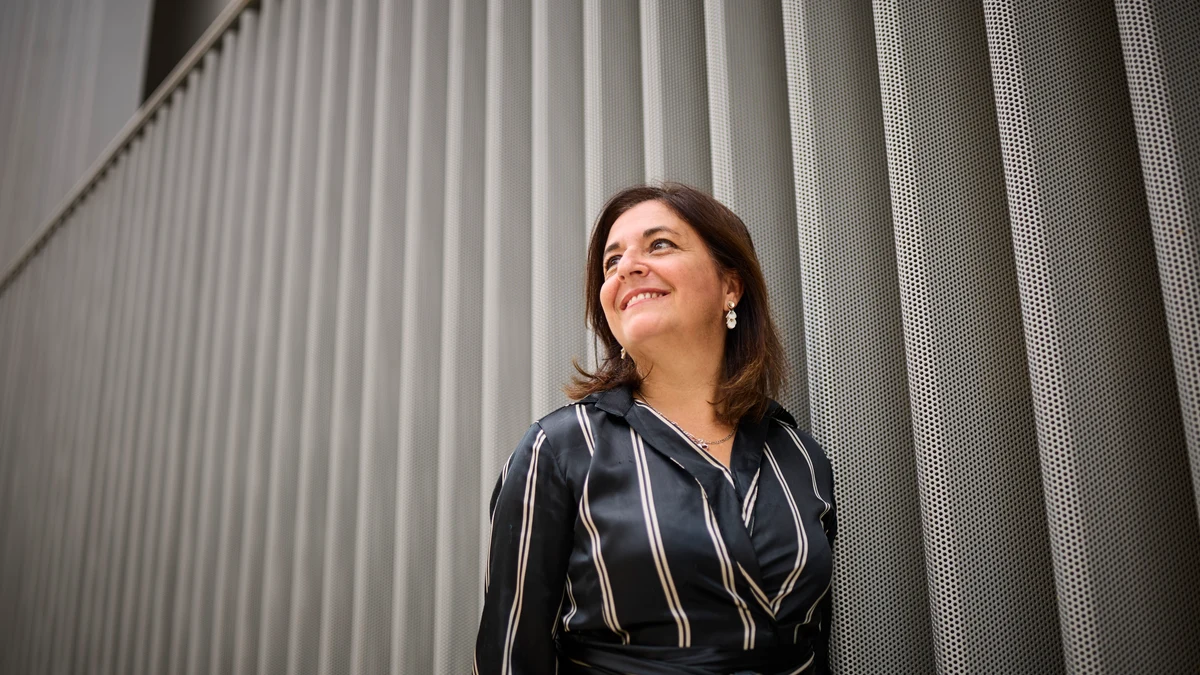
Idoia Salazar, president and CEO of the artificial intelligence observatory OdiseIA and a professor at Universidad CEU San Pablo, said the biggest danger posed by artificial intelligence today is that people could become easily manipulated as they hand over more and more small decisions to AI assistants.
Salazar made the comments in an interview tied to her new book, "Ya están aquí" (Deusto), which centres on universal artificial intelligence assistants and examines both the opportunities and the risks the technology carries as it spreads into nearly every part of daily life.
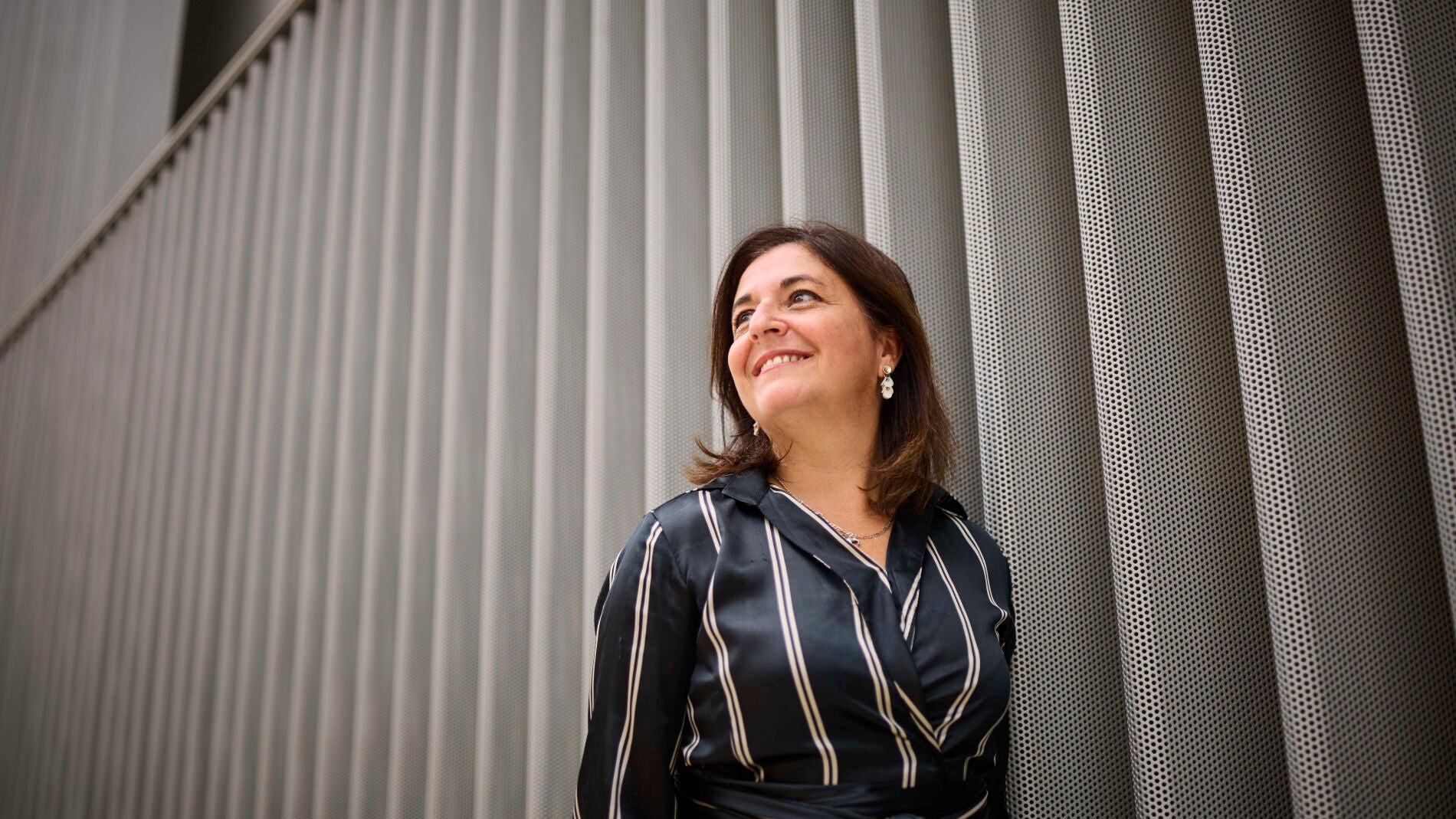
In the book she proposes ideas including "mental gyms" to keep human decision-making sharp, a kind of licence for using artificial intelligence, and what she calls an analog life insurance policy for a world increasingly dependent on digital systems.
What universal AI assistants are
Salazar explained that before 2022, artificial intelligence was mostly a more traditional technology, even though generative AI already existed. The release of ChatGPT popularised large language models, which generate text and images through natural language, the same language people use to communicate with each other. That, combined with free access, drove the technology's rapid spread.
She said the field has since moved into an era of AI agents, systems that do not just generate information for a person to act on but actually carry out actions on that person's behalf. Many companies already use this professionally, she said.
The next step, which major technology companies are already building, is the universal AI assistant, a step on the path toward general artificial intelligence and what is sometimes called the technological singularity. Salazar said it would be like having a personal secretary, one many people might even give a name to, an artificial twin that knows a person's health data, psychological behaviour, friendships and other personal and professional details.
Assistants talking to each other
Salazar said these assistants will also be able to interact with other people's assistants through communication protocols such as A2A, or Agent2Agent, allowing assistants from different companies to talk to one another. She compared the setup to a social network, where each person grants access to certain assistants and delegates responsibilities gradually. As an example, she said she might authorise her assistant to contact a friend's assistant to arrange a meeting, but not necessarily to make joint purchases.
She said applications will need built-in limits, such as authorising an assistant to make purchases up to 20 euros while requiring explicit approval above that threshold. Salazar said such control and accountability mechanisms are essential to build trust in the technology and prevent problems, warning that an agent could end up spending 1,000, 2,000 or 3,000 euros beyond a person's means and cause serious financial trouble.
Risks to privacy and identity
Asked where the usefulness of the technology ends and the risks to identity, autonomy and privacy begin, Salazar said that is one of the questions now being examined from a governance standpoint. She said users will essentially be handing over all their personal data, plus everything generated through interaction with their artificial twin, to a system that could become a kind of best friend or confidant, data with enormous commercial value if extrapolated.
She said work is underway on the possibility of keeping that data from leaving a person's home, through small personal servers that would let individuals keep full control over it. Salazar also proposed a kind of red button that would let a person end the relationship entirely and erase their digital footprint.
The manipulation risk and 'mental gyms'
Salazar said the excessive delegation of small decisions to assistants is, for her, the greatest risk AI poses today. She warned that without training the brain in other ways, people risk becoming very easily manipulated, which she called a threat to democracy itself, since people could be manipulated by companies, governments or ideological interests without even realising it.
She linked this directly to her proposal for mental gyms, drawing a comparison to how people began going to physical gyms after the Industrial Revolution reduced muscle use. She said society now needs spaces to train decision-making, keep mental agility sharp and avoid a loss of judgement that could enable unconscious, mass manipulation affecting rights and freedoms.
Children, the elderly and education
Asked about children and teenagers growing up surrounded by assistants that answer their questions instantly, Salazar said she is equally concerned about the elderly, many of whom already use these tools to cope with loneliness. She said the technology will affect everyone, not necessarily only negatively, drawing a parallel with social media's mix of benefits and downsides.
What should not be repeated, she said, is the lack of education from schools, families and the wider social environment on proper use of these tools, this time with potentially more serious consequences. She said the answer is not an annual talk but incorporating education about technology's impact directly into school curricula.
Asked whether too much attention is going to regulation and too little to education, Salazar said a great deal of work is happening on the technical, regulatory and ethical side, in which she herself works with companies. But she said not enough is being done on the social side, helping citizens build the judgement to understand what AI really is, how it affects their lives and what tools exist to control their data or erase their digital footprint.
Who is responsible when AI gets it wrong
Asked who should bear responsibility if an AI assistant makes a wrong decision that harms someone, the developer, the company or the user, Salazar said it should fall on the user, provided there has been no technical failure in the AI itself. She compared it to self-driving cars, where responsibility is shared between the company that develops the software and the driver, who must still have control mechanisms and stay alert.
She said a technical failure in an assistant is a different situation, but if a person sets no purchase restrictions and their agent ends up spending 3,000 euros in their name, the responsibility should be theirs. People cannot hide behind the fact that it was their agent that acted, she said, stressing the need to understand what delegation really means.
An 'analog life insurance'
Explaining the analog life insurance concept from her book, Salazar said it is important to normalise AI within society rather than let everything revolve around it. She said people must remember these are computer programs running on physical servers that depend on electricity, and that a power cut, a cyberattack or any other disruption could knock out the parallel digital world being built around AI.
She pointed to hospitals that lost access to patient records after cyberattacks, and to the electrical blackout in Spain, as warnings of what can happen if people stop training their own abilities and neglect physical backups and their analog side.
Inequality and the digital divide
On whether AI will reduce social inequality or further concentrate economic and technological power, Salazar said the two questions are different. She said the risk of concentrated power is real, since few companies have the capacity to develop large language models, even as initiatives around data availability and funding are being pushed forward.
On the digital divide and vulnerable groups, however, Salazar said she believes AI can help reduce inequality. She cited work with the Spanish organisation ONCE, saying generative AI's ability to adapt to personal and communication needs has let many people with disabilities enter the labour market and carry out tasks that were previously far harder for them. She said she has seen deafblind people follow meetings and give presentations using AI systems, calling it impressive, and noted that many of these tools are freely available, giving AI, in her view, strong potential to narrow the digital divide.
Test yourself
What does Idoia Salazar say is the biggest risk AI poses today?
What organisation does Salazar lead?
What communication protocol does Salazar say will let AI assistants from different companies interact?
Have your say
How comfortable would you be letting an AI assistant make decisions on your behalf?