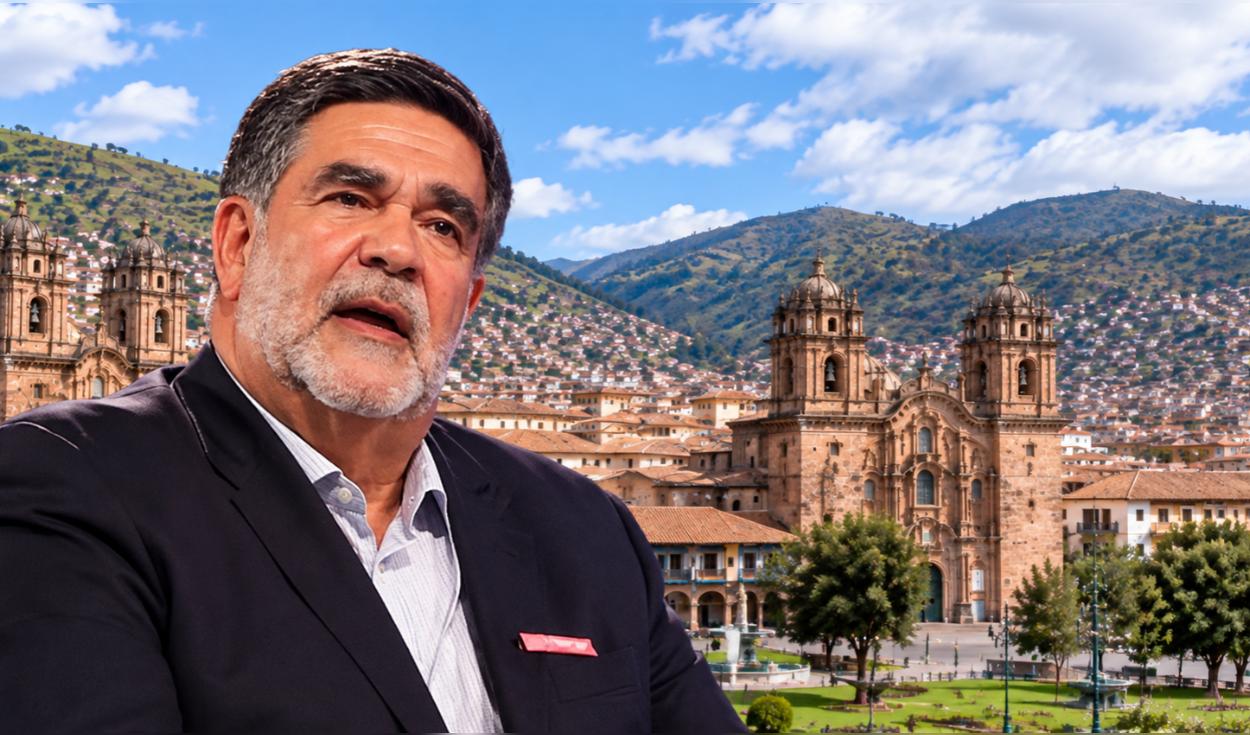
Cusco's economy grew at roughly 10% a year until 2014 but has expanded by only about 3% annually in the years since, according to Pablo Bustamante, former president of IPAE Acción Empresarial. Speaking during CADE Ejecutivos 2026, Bustamante blamed the slowdown on the handling of public works and barriers to private investment in the southern Peruvian region.
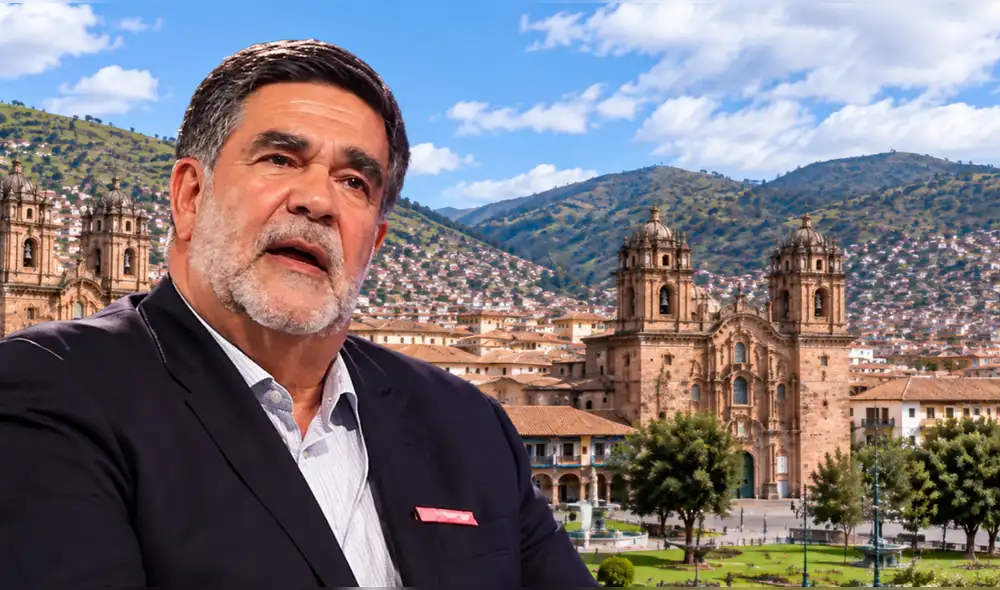
In an interview with La República, Bustamante said Cusco grew 10% a year until 2014, matching China's pace at the time, but that growth fell to just 3% a year afterward. He attributed the drop to poor management of public works and obstacles facing private investment.
Bustamante also questioned why revenue from the Camisea gas project and mining activity, channelled to the region through canon transfers, has not translated into better living conditions for residents. He said regional and local governments have received these funds but failed to convert them into concrete results for citizens.
Public and private investment divide
Bustamante pointed to a lack of coordination between public and private projects as one of the country's central problems. He said Peru has suffered a divorce between public and private investment, adding that all Peruvians need to grow and prosper together.
CADE Ejecutivos is an annual gathering of business and political leaders in Peru organised to discuss the country's economic priorities. IPAE Acción Empresarial, the organisation Bustamante once led, is the business association behind the event.
Growth rate collapsed over two decades
The slowdown described by Bustamante is reflected in regional growth data covering the last two decades. According to the Instituto Peruano de Economía (IPE), Cusco grew at an average annual rate of 9.7% between 2004 and 2015, driven mainly by the start of Camisea operations and mining projects such as Antapaccay. Between 2016 and 2025, average growth fell to just 0.5% a year.
Mining output shows the shift clearly. The start of operations at the Antapaccay and Constancia mines pushed Cusco's copper production from 151,000 tonnes in 2013 to about 350,000 tonnes in 2016. No other large-scale mine has come into operation since then, and in the twelve months to August 2026 production stood 41% below that 2016 peak.
Calls for health, education and infrastructure reform
Bustamante said Peru needs to reform its public services to improve living conditions. He identified health as a priority, questioning why access to adequate care remains poor despite the money spent on the sector.
He said it could not be right that Peru spends what it spends on health while still lacking access to good health services. He also said education needs changes and criticised confrontation between the public and private sectors, arguing the two should work together instead.
Infrastructure was another priority Bustamante raised. He warned that deficiencies in roads and a lack of maintenance limit communication and development opportunities across different parts of the country.
Thousands of projects stalled in Cusco
According to the IPE, 59.5% of investment projects run by Cusco's subnational governments were paralysed or abandoned as of October 2026. That amounted to 3,825 projects, with S/1,400 million already disbursed.
Peru's Contraloría General de la República, the national comptroller's office, separately reported 370 paralysed public works in the region as of June 2026. Those projects carried an updated investment cost of S/2,392 million and a pending execution balance of S/792.3 million.
The figures point to persistent difficulties converting public funds into finished infrastructure and services for residents, a shortfall in project execution that was central to Bustamante's assessment of the region's performance.
Test yourself
According to Pablo Bustamante, what was Cusco's annual growth rate before 2014?
What did Bustamante cite as a reason for Cusco's slower growth after 2014?
How many of Cusco's subnational investment projects were paralysed or abandoned as of October 2026, according to the IPE?
Have your say
What do you think is the biggest obstacle to economic growth in regions like Cusco?
Where it happened
Cusco, Peru