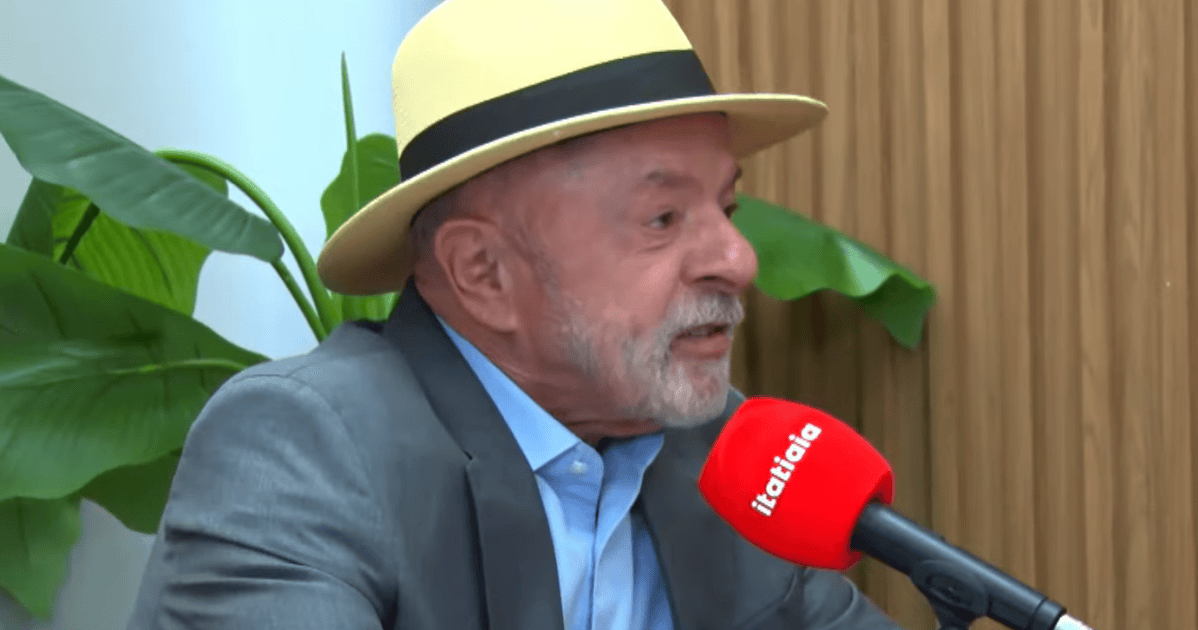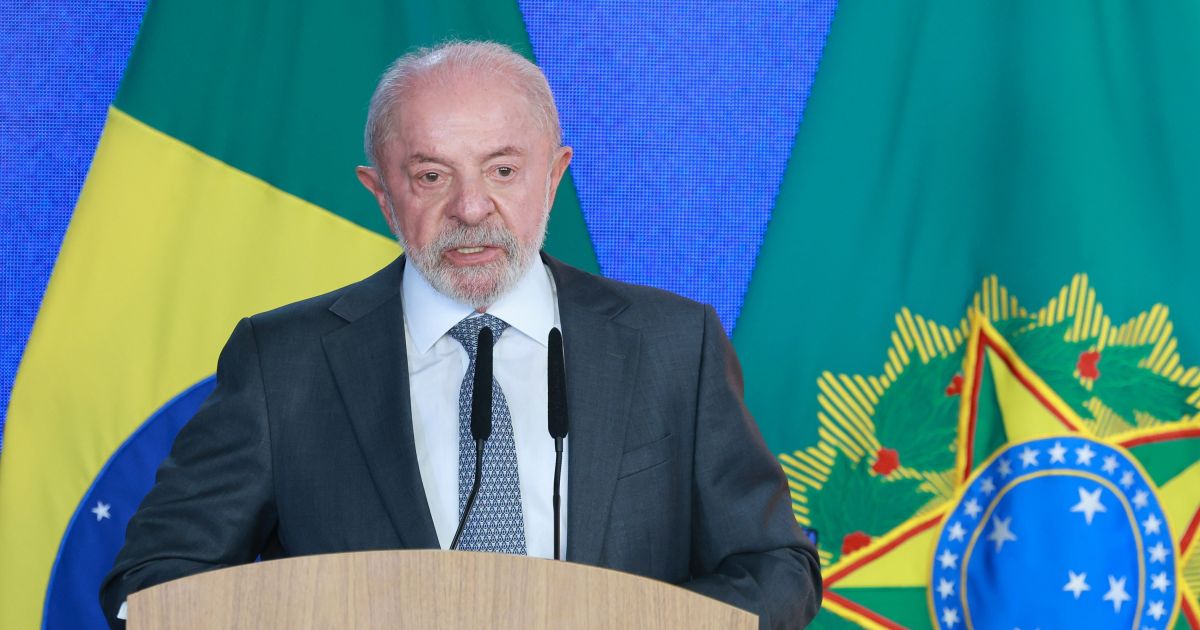
Brazilian President Luiz Inacio Lula da Silva has sharply scaled back his government's 2026 legislative agenda to focus on four essential measures before December.
With the congressional recess fast approaching, the Palácio do Planalto selected a limited list of priorities in an effort to secure legislative wins before the year ends. The administration is setting aside several contested proposals until 2027 so lawmakers can concentrate on the most urgent economic and regulatory files.
Passing the 2027 federal budget is the top priority for the executive branch. CNN Brasil anchor Tainá Falcão reported on Tuesday during the program Bastidores CNN that the budget bill must fund higher payments for the Bolsa Família welfare program, absorb the expenses of the updated Desenrola debt renegotiation plan, and offset lost tax revenue caused by a ban on online gambling.
Falcão noted that these requirements demand adjustments running into billions of reais while still respecting Brazil's fiscal target, presenting a steep obstacle for economic officials. Congressional leaders plan to hold a final vote on the budget legislation by December.
Four Priority Measures Before Recess
The second priority on the government's condensed agenda is a full prohibition of sports betting and online casinos, known locally as bets. A provisional presidential measure prohibiting these betting operations already carries the force of law, but it requires formal ratification from the National Congress to become permanent statute.
Third on the Planalto's priority list is Desenrola Brasil 3.0, an updated debt renegotiation program. Under the initiative, the federal government steps in to purchase delinquent consumer debts of up to R$ 10,000, negotiating discounts of at least 90 percent directly with creditors to help clear household balances.
The fourth immediate objective is the regulation of major technology companies. The proposed bill expands the enforcement authority of the Administrative Council for Economic Defense, known as Cade, granting the antitrust regulator broader powers to inspect major digital platforms and punish anti-competitive conduct online.
Cade serves as Brazil's national competition authority, investigating monopolies and overseeing corporate mergers. Giving the agency explicit authority over digital ecosystems represents one of the administration's main regulatory efforts.
Key Reforms Postponed to 2027
With congressional calendars squeezed ahead of the holiday break, several prominent proposals have been pushed into 2027. Among the postponed items is a campaign pledge by Lula to offer free public transport on weekends across Brazilian cities.
Falcão reported that the weekend transit proposal faces fierce resistance from federal lawmakers. An estimated R$ 12 billion from parliamentary amendments would be needed to pay for the free fares, but deputies and senators remain unwilling to surrender their discretionary funds to support the program.
Work on a comprehensive legal framework for artificial intelligence has also been deferred to next year. While the Federal Senate has already passed the bill, the measure still awaits review and approval in the Chamber of Deputies.
Plans for judicial reform will also wait until 2027. Lula has asked aides for preliminary studies and discussed setting up a special working group, or even a dedicated government secretariat, to draft the measures.
The judicial overhaul concepts under review include introducing fixed term limits for justices on the Supreme Federal Court, modifying the judicial appointment process, and enforcing stricter ethical rules. The Planalto has not yet finalized a formal legislative text for the proposals.
A More Conservative Congress Ahead
Political analyst Matheus Teixeira said the administration is trying to maximize its chances with the current Congress before a more conservative legislature takes office. He explained that the present congressional lineup is far less hostile to Lula's agenda than the incoming body will be following future elections.
In the Chamber of Deputies, the right-wing Liberal Party, or PL, has expanded its presence to 121 seats. Despite that growth, the powerful coalition of centrist and conservative parties known as the Centrão still controls legislative outcomes and can either rescue or defeat government proposals.
In the Federal Senate, Teixeira noted that political conditions will grow even more difficult after the 2026 election cycle. Any priority measures that fail to clear Congress before December will be reintroduced at the start of the next presidential term, when a newly elected government can rely on its initial political leverage.
Teixeira emphasized that the National Congress remains the decisive arena for any progress. He observed that once party leaders establish even basic consensus, proposals that have remained blocked for years can move forward with remarkable speed.
To pass its remaining measures, the administration is counting on negotiations with key legislative figures. These include Senator Davi Alcolumbre of União Brasil, representing the state of Amapá, and Representative Hugo Motta of the Republicanos party, representing Paraíba, along with other influential faction leaders.
The political maneuvering is further complicated by an upcoming vacancy on the Supreme Federal Court. Teixeira pointed out that Lula wants to nominate Attorney General Jorge Messias to the high court, a choice that risks irritating large parts of the Centrão and the conservative opposition.
Teixeira concluded that while Lula is determined to secure Messias's appointment to the bench, the president will have to offer political concessions to congressional leaders to keep his legislative priorities on track.