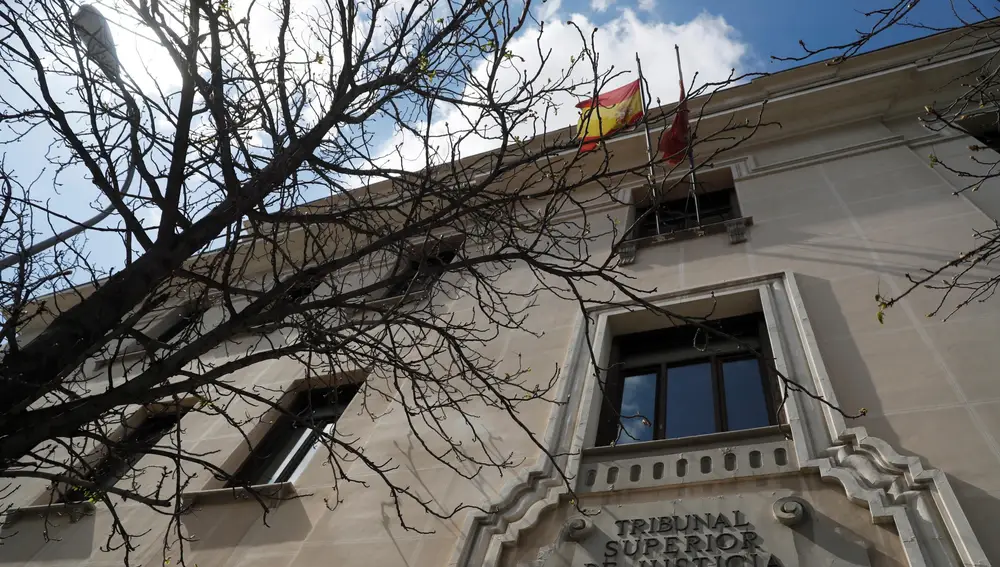
The Tribunal Superior de Justicia de Madrid (Madrid High Court) has confirmed that a company employee's disciplinary dismissal was justified after he insulted his bosses, threw liquor at his supervisor's face and urinated in the company warehouse during a party marking the firm's 20th anniversary.
Ruling number 110/2019, issued on February 1, 2019, upheld an earlier decision by a lower court, which had already found the dismissal valid. The employee, who had worked at the company for 12 years, appealed to the high court but lost.
The incidents took place on December 16, 2017, during the anniversary celebration held at the company's own premises outside working hours.
What happened at the party
According to the ruling, the employee approached an external advisor to the company who was talking with a coworker and insulted him, calling him a son of a bitch. Making obscene gestures, he also called the advisor a lousy lawyer and said he performed oral sex on the bosses, whom he likewise called sons of bitches.
He then approached his supervisor, who was speaking with a group of people, and threw a glass of liquor violently in his face without any provocation. He left the venue but returned a few minutes later and urinated on materials stored in the company's warehouse. One of the company's partners then told him to leave for good.
A pattern of conflictive behavior
The court found that the party was not an isolated incident. In the weeks beforehand, the employee had already caused problems at the worksites where he was assigned. Witnesses testified that he regularly told coworkers to stop working because they were giving away money to the company, and that he would turn off colleagues' machines while they were using them, prompting complaints to the supervisor.
The court also weighed two previous sanctions against the employee, one for drunkenness and another for disrespecting a superior, as aggravating factors in its assessment of his conduct.
Why the court sided with the company
The Madrid High Court ruled that witness testimony was sufficient to establish the facts and that the employee's conduct amounted to a serious labor offense. The verbal aggression and insults toward coworkers and superiors, the court said, represented a profound disruption of workplace relations and a contractual breach that justified the maximum sanction of dismissal.
The court also found that the employee's attitude reflected open confrontation with the company and a lack of respect that broke the principle of good faith that must govern labor relations. The employee had argued that the witnesses were not impartial because of their ties to the company, but the court rejected that argument, ruling that their statements were firsthand and direct and that no real interest in harming him had been proven.
The ruling confirmed that the dismissal was valid, meaning the employee was not entitled to severance pay or back wages.