

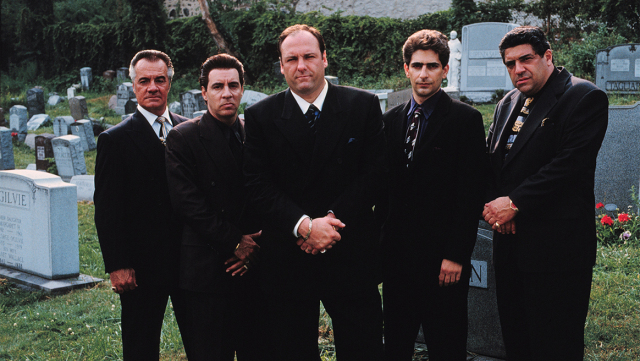
David Chase's crime drama The Sopranos continues to dominate social media discussions nearly three decades after transforming television and establishing premium cable network HBO.
The series premiered on January 10, 1999, combining mob warfare with psychological depth. Commentators suggest its enduring popularity stems from a timeless philosophy that runs beneath the violent affairs of its central crime family.
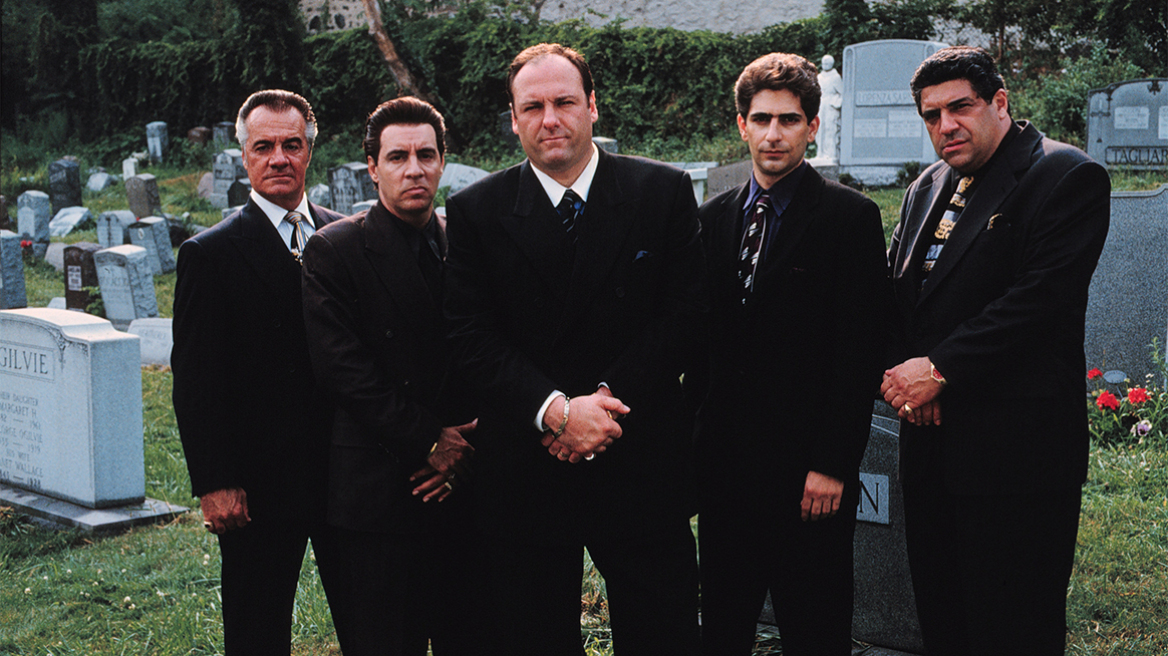
Industry recognition followed its broadcast run. The Writers Guild of America ranked the production as the best-written series in television history, while critics compared its depth and visual style to the finest works of cinema.
Influence on modern television dramas
The legacy of the production became clear when The New York Times published its list of the 100 best television shows of the 21st century. The newspaper addressed why the acclaimed drama was missing, explaining that The Sopranos was nowhere on the list and yet was everywhere.
Because the series debuted in the late 20th century, it did not qualify for the ranking. The publication noted that the top three titles on the list, Breaking Bad, Mad Men, and The Wire, along with dozens of other shows, would not exist as audiences know them if Chase had not cleared the path.
Bryan Cranston, who starred as chemistry teacher turned drug lord Walter White in Breaking Bad, reinforced that view. Cranston stated that without Tony Soprano, there would be no Walter White.
Critical acclaim and industry accolades
Critical evaluations have long treated the series as a historic turning point. Music and culture publication Rolling Stone stated that the drama split television history in two, dividing the medium into the era before The Sopranos and the era after it.
Much of that impact came from lead actor James Gandolfini, who played mob boss Tony Soprano. Leading American television critic Alan Sepinwall called Gandolfini's character the greatest character ever created for the small screen.
Gandolfini portrayed a North Jersey mobster seeking psychiatric care while directing criminal operations and managing family turmoil. The performance established the conflicted antihero archetype that came to define American television drama for the next two decades.
Subscription television and network growth
Beyond its cultural impact, the show proved vital to HBO by establishing the company as a premier home for original drama. The series reshaped subscription television, proving that viewers would pay monthly fees for sophisticated, adult-themed programming outside the restrictions of broadcast networks.
Financial news portal newmoney.gr reported that the drama altered television economics as well as creative standards, establishing a model that paved the way for modern premium programming and streaming networks.