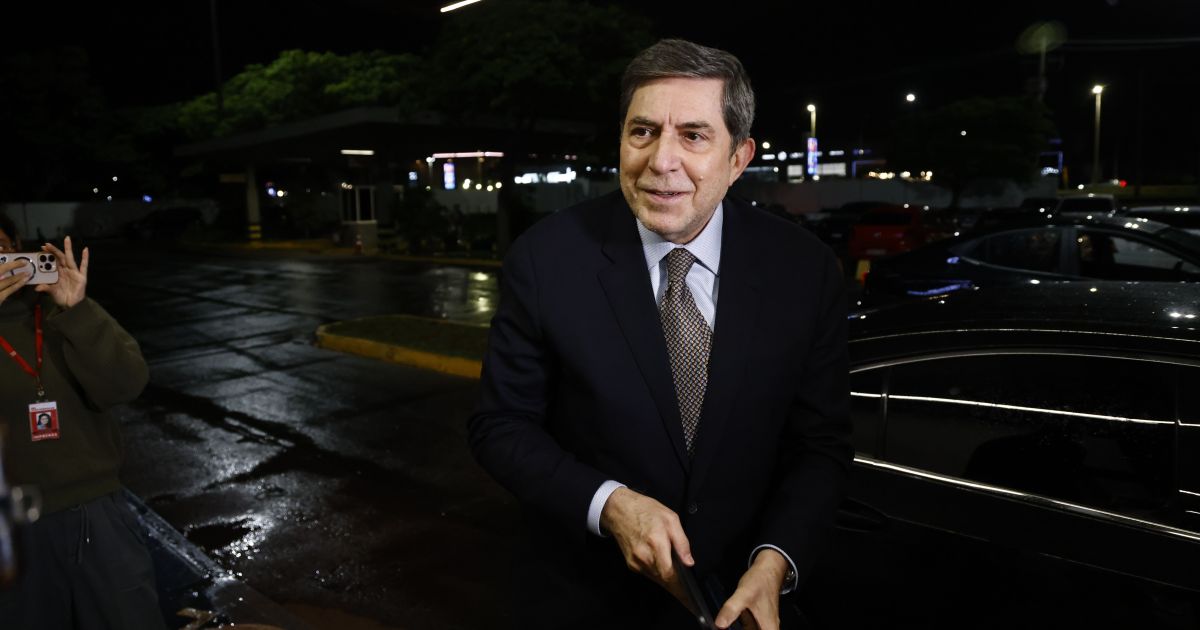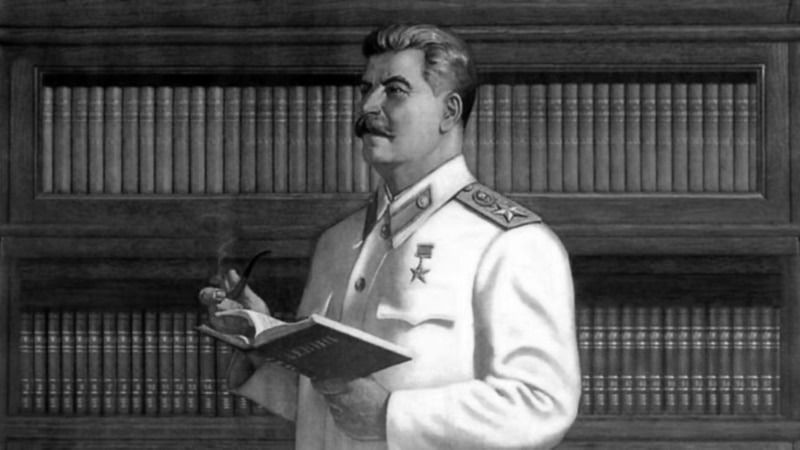
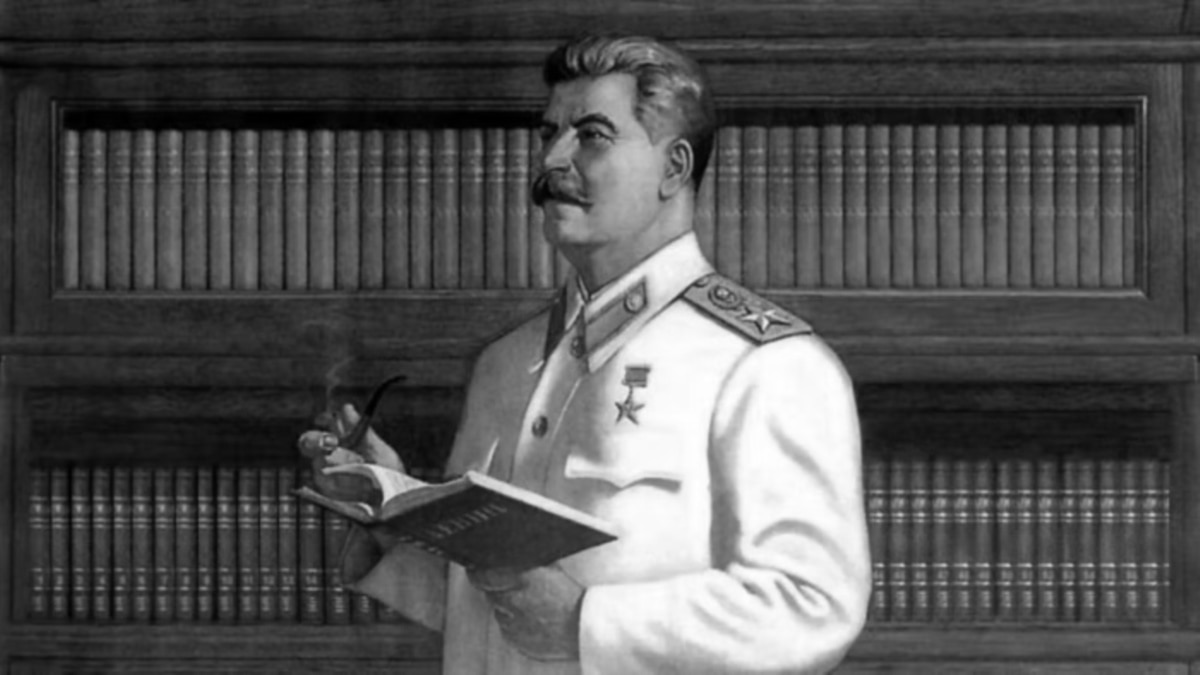
A new Russian television series about Soviet dictator Joseph Stalin, directed by Vladimir Bortko, premiered this month in Moscow, triggering a wave of praise and criticism across Russian social media. The multi-part film, titled "Stalin," covers the Soviet leader's life from the 1920s until his death in 1953, and its historical consultant was Yevgeny Spitsyn, a well-known defender of the USSR.
The series arrived in the same November days that Ukraine commemorates the victims of the Holodomor, the 1932-33 famine in which millions of Ukrainian peasants died after the Soviet state forcibly stripped them of food and resources.
The premiere took place at the Khudozhestvenny cinema in Moscow. In his remarks, Bortko said that alongside the executions people associate with that era, something else had also happened: the rebuilding and revival of the country. He said his own paternal grandfather had been shot in Kursk, while his father, who lost a leg at Stalingrad, had remained a committed Stalinist regardless, and that this contradiction was what drew him to the subject. Bortko said the series was not meant to justify or condemn Stalin, but to show, as far as possible, what the man said, thought, feared, and where he was right or wrong.
Consultant's remarks draw applause
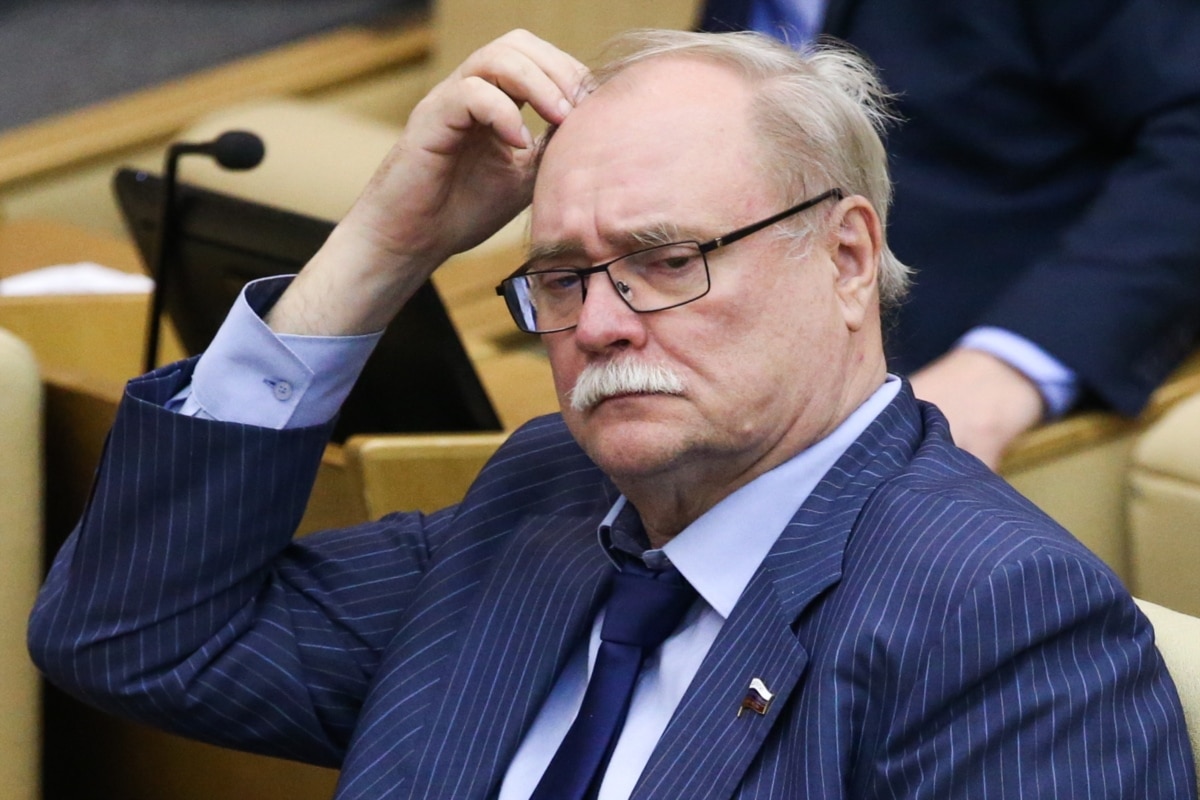
Spitsyn, the series' historical consultant, was more direct. He told the audience that Stalin had been sent to them by God, and that he did not want to hear about the repressions. The audience responded with applause, according to the report.
Among those at the premiere were theatre director Konstantin Bogomolov, broadcaster Vladimir Posner and his wife Nadezhda Solovyova, Communist Party leader Gennady Zyuganov, media executive Konstantin Ernst, publisher Pavel Gusev, actor Marat Basharov, television host Dmitry Dibrov, and Yelena Khanga, among other celebrities. Aside from Zyuganov, whose party Bortko also belongs to, these were figures from 1990s and 2000s Russian television who would once have been impossible to imagine applauding praise for Stalin.
Bortko has been under sanctions from Ukraine's National Security and Defense Council since November 2024, including for calling for a nuclear strike on Ukraine and for his active support of the full-scale war.
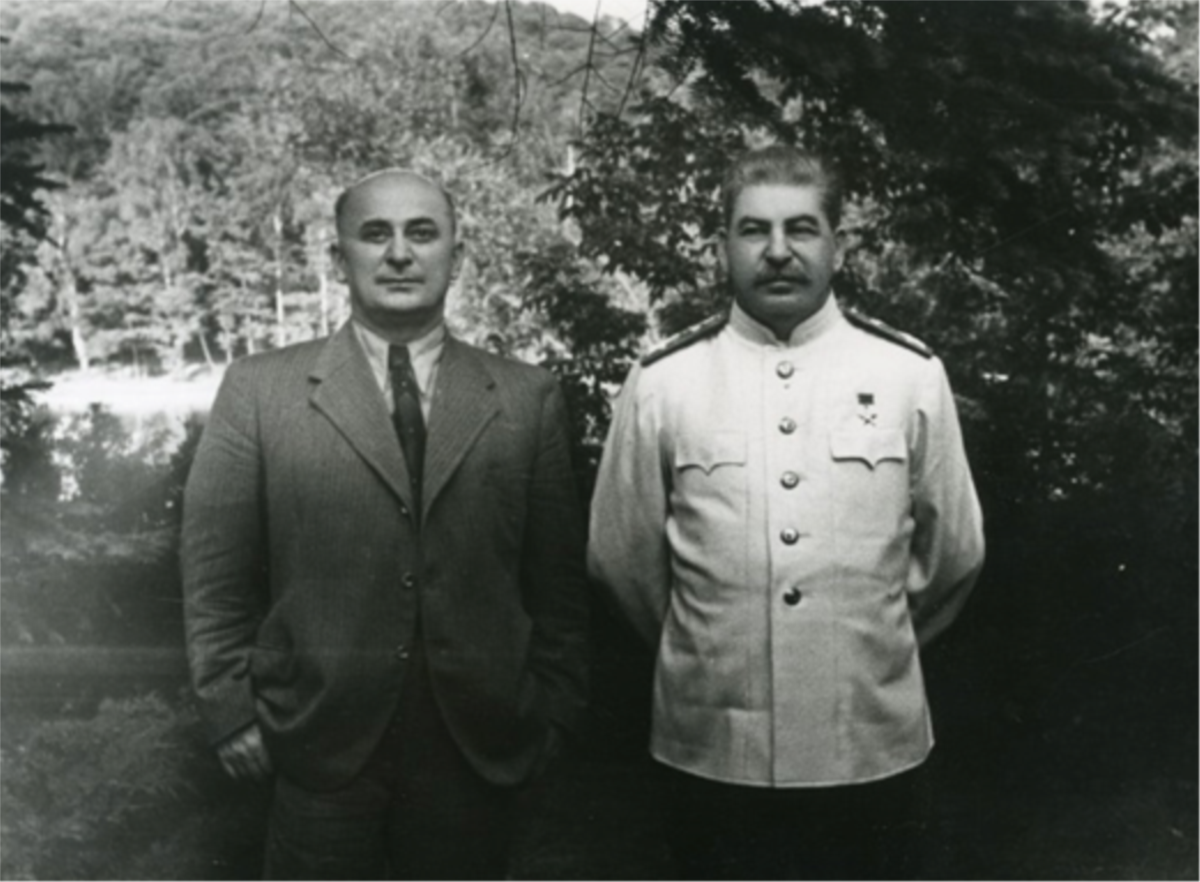
Serhiy Loiko, the first foreign war correspondent to enter Donetsk airport during its defense and who wrote about Ukraine's "cyborg" defenders for the Los Angeles Times, responded to the series by recounting the repressions suffered by his own family.
Reactions flood social media
RFE/RL's Russian service compiled a range of reactions to the series. Commentator Denys Kyselov said Bortko had effectively spat into his own obituary, gathering around him actors he once admired who now looked, in his words, like distorted faces. Oleh Pshenychnyi described what he called Putinist glamour at the Moscow premiere, listing Dibrov, Basharov, Posner with Solovyova, actor Sukhorukov, who played Khrushchev, Khanga and Bogomolov, and remarked on how far their careers had fallen from their early promise.
Oleh Yasynsky called Bortko one of his favourite directors, arguing that, contrary to common belief, Bortko had never been anti-Soviet or anticommunist, and that his earlier works "Dog's Heart" and "Master and Margarita" were sharp critiques of human folly rather than of Soviet ideals. He said the painful question of Stalin's role in twentieth-century history mattered for the future, but could only be addressed by setting aside pro- and anti-Stalinist passions, adding that Stalin, as Soviet leader, had saved the Soviet state at its most dangerous moment and that the Soviet people defeated fascism under his leadership.
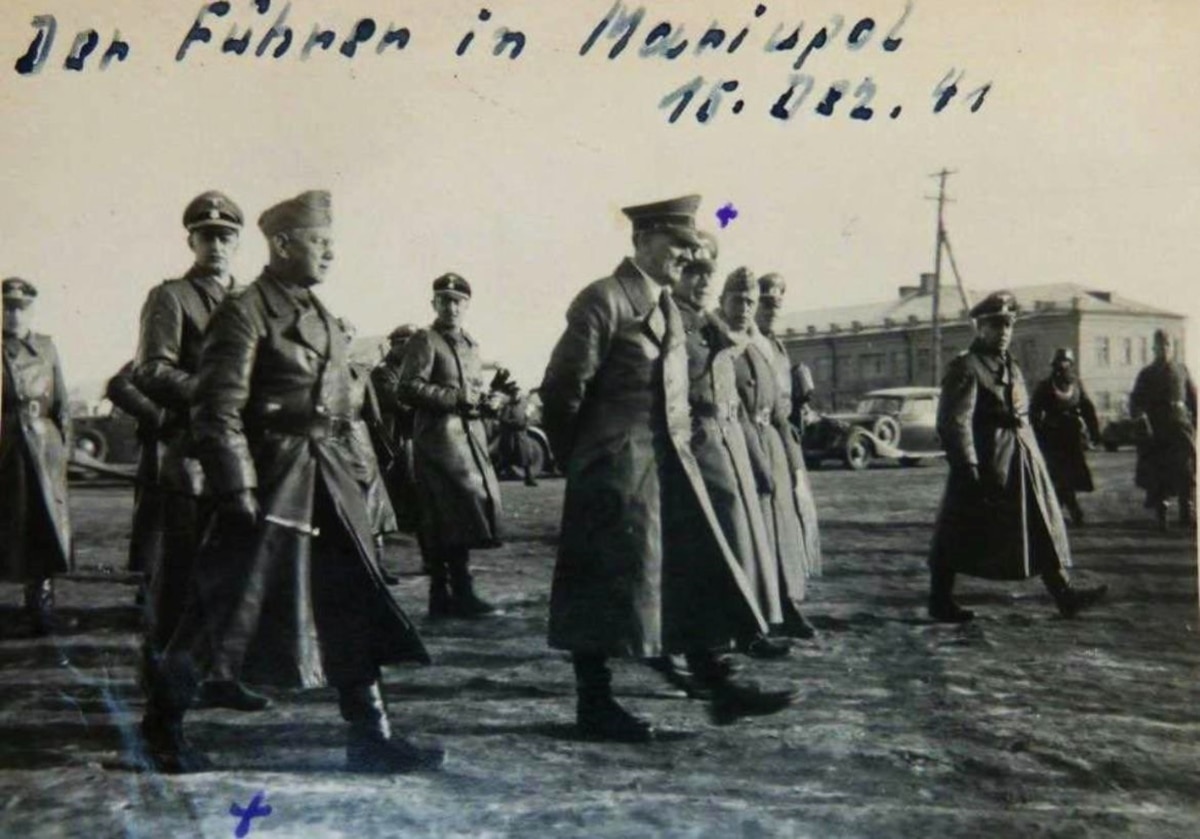
A user identified as kilimon_79 called Stalin a great man, saying that whatever people say, the country defeated fascism and became a nuclear power under his rule, that prices fell every spring, and that he raised the USSR from ruins, calling him a great strategist.
Ukrainian law and repression figures
Under Ukraine's law No. 317-VIII, "On the Condemnation of the Communist and National Socialist (Nazi) Totalitarian Regimes in Ukraine and the Prohibition of the Propaganda of Their Symbols," Stalinism is treated as inseparable from the criminal communist regime of 1917-1991, and justifying or glorifying Stalin and Stalinist repression is punishable by restriction or deprivation of liberty.
Critical comments outnumbered supportive ones on Russian social media, with many commentators tying the film to a broader rehabilitation of Stalin under way in Russia for years, of which Bortko's series is only a small part. Writer Natalia Hromova said Stalin built his world on three foundations: hunger, fear and death, and that this mechanism of fear still works instantly on anyone raised in the Soviet system. She warned that releasing "this monster's spirit" again carries a risk even for its creators, since the monster does not care whom it devours, noting that after the 20th Communist Party Congress it was locked away for a time precisely because of how many party figures it had already consumed. She added that even today, the ranks of detainees at Moscow's Lefortovo prison keep being filled by people from within Vladimir Putin's own leadership.
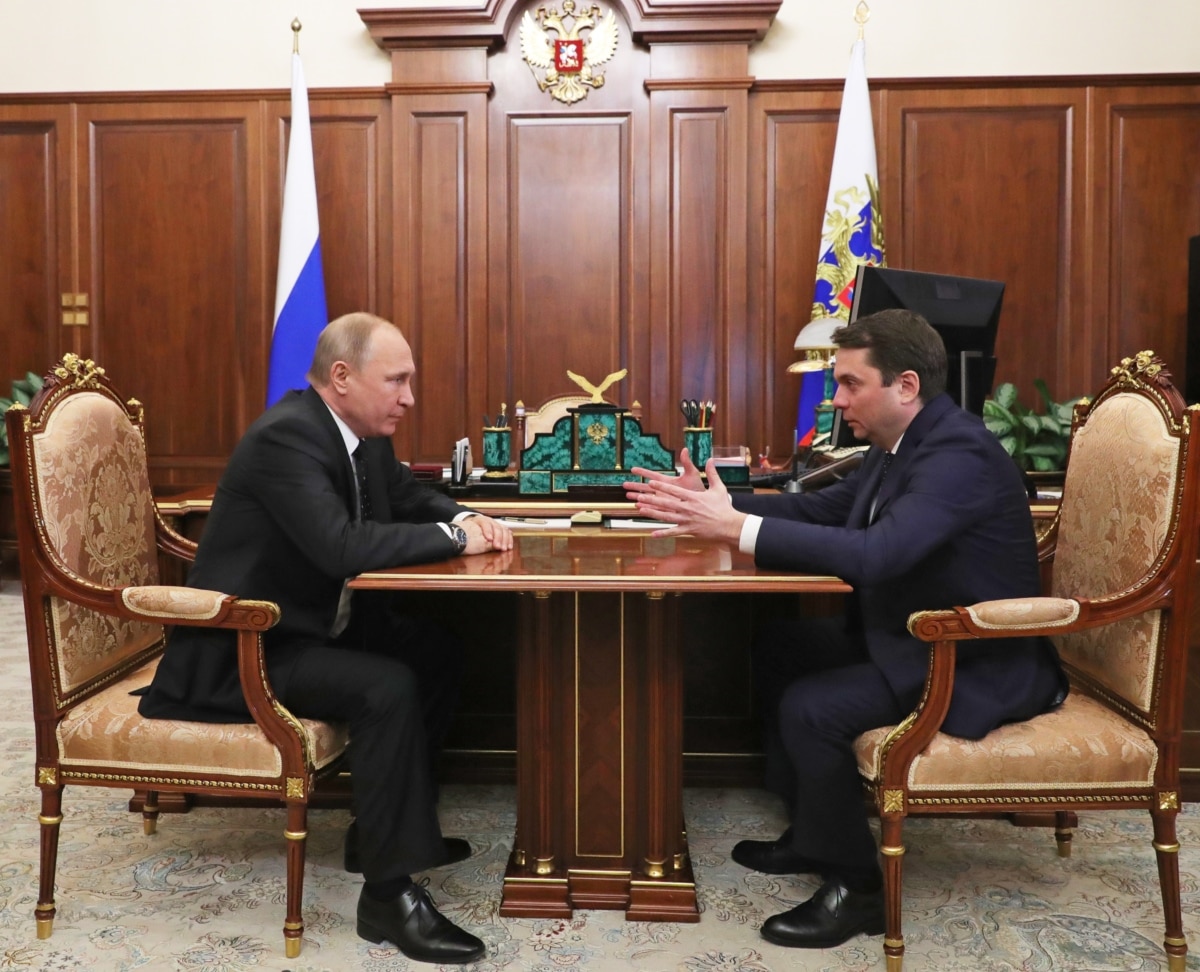
A commentator identified as Professor Preobrazhensky said he was certain the series' core message was that the repression had been necessary. He said the show likely does not present Stalin as flawless, nor does it deny the Gulag, the repressions or the cult of personality outright, but that it almost certainly frames all of it as something that had to happen in pursuit of turning the country into a superpower. He said Russian authorities today need the public to accept that the might of an empire outweighs everything, and that this goal justifies any sacrifice, crime or mistake.
Scale of Stalin-era repression
According to official data cited in the reactions, 3.8 million people were convicted in cases handled by the Soviet secret police between 1930 and 1953, and 800,000 people were executed between 1923 and 1953. Historians believe these figures are understated by several times. The Memorial society has confirmed the names, backgrounds and reasons for arrest of more than 2.6 million Soviet citizens who suffered political repression in that period, though many victims remain unidentified. Historians Nikita Okhotin and Arseny Roginsky estimate that around 5.5 million people were arrested and convicted on political charges in the USSR between 1921 and 1953, while other estimates put the number who passed through Soviet prisons and camps between the late 1920s and Stalin's death in 1953 at no fewer than 20 million.
Test yourself
Who directed the new Russian TV series "Stalin"?
Where did the premiere of "Stalin" take place?
What did the series' consultant, Yevgeny Spitsyn, tell the premiere audience?
Where it happened
Moscow, Russia