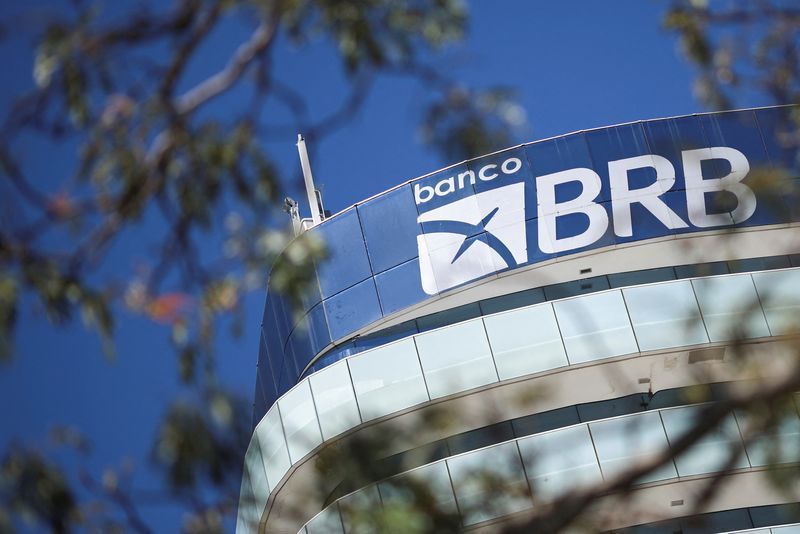
Supreme Court Minister Luiz Fux has ordered Bahia's state court to maintain monthly 394 million reais transfers to Banco Regional de Brasília, granting temporary relief.
The judicial intervention responded to an urgent request from the Federal District government after the state-owned lender slipped into severe liquidity troubles linked to a failed attempt to acquire Banco Master. However, bank insiders familiar with the matter warned that the financial crisis worsens daily and that the risk of extrajudicial liquidation by the Central Bank of Brazil remains immediate.
Tensions within the institution have escalated over repeated delays in publishing its formal balance sheet. The financial report was scheduled for release in March, but executive management postponed the disclosure to avoid exposing the lender's weakening financial condition and triggering swift enforcement action by monetary authorities.
Banco Regional de Brasília, known as BRB, is a state-controlled commercial bank majority-owned by the government of Brazil's Federal District. Established to foster regional development, it operates as the primary financial agent for the local government, managing public accounts, employee payrolls, and infrastructure financing. Supreme Court Minister Luiz Fux serves on the Federal Supreme Court, the highest tribunal in Brazil, which holds final authority over constitutional disputes and inter-state judicial mandates.
Stalled Credit Line and Growing Deficit
Compounding the bank's liquidity strain, BRB faces severe difficulties securing a proposed 6.6 billion reais loan from the Credit Guarantor Fund. The deposit insurance entity, known as FGC, has demanded full access to BRB's audited balance sheet before releasing any credit line.
According to sources informed on the situation, internal auditors fear that even if the 6.6 billion reais credit facility is eventually approved, the funds will not cover the deficit created by operations connected to Banco Master. As a result, officials privately admit the financial injection may still fail to prevent the Central Bank from ordering liquidation.
The Credit Guarantor Fund, or FGC, functions as a private, non-profit deposit insurance scheme designed to protect account holders and maintain banking stability across Brazil. Under national banking laws, the Central Bank of Brazil acts as the country's primary monetary regulator. The Central Bank possesses sole statutory power to decree extrajudicial liquidation, an administrative measure that forces a failing financial institution to cease operations, replaces its board, and liquidates assets outside court proceedings.
Threats to Capital Services and Public Payrolls
Inside BRB, fear of impending liquidation has taken hold among bank workers. The threat of collapse and job losses has prompted a faction of employees to actively advocate for privatizing the financial institution.
Beyond internal personnel, residents across the Federal District face potential disruptions to essential public services if the lender collapses. BRB processes the complete payroll for active civil servants and retired executive branch workers in Brasília, while also operating the ticketing system for the capital's public transportation network.
Individual account holders without official government ties could also see their accounts impacted in the event of regulatory action. Advisers to the Federal District government confirmed that officials previously evaluated privatization strategies to ensure service continuity, but current government leadership continues to reject selling the bank despite internal support for the plan.
Regulatory Silence
CNN Brasil contacted Banco Regional de Brasília for comment regarding the escalating financial crisis, delayed financial statements, and liquidation risks. The bank did not respond prior to publication, though opportunity for comment remains open.