
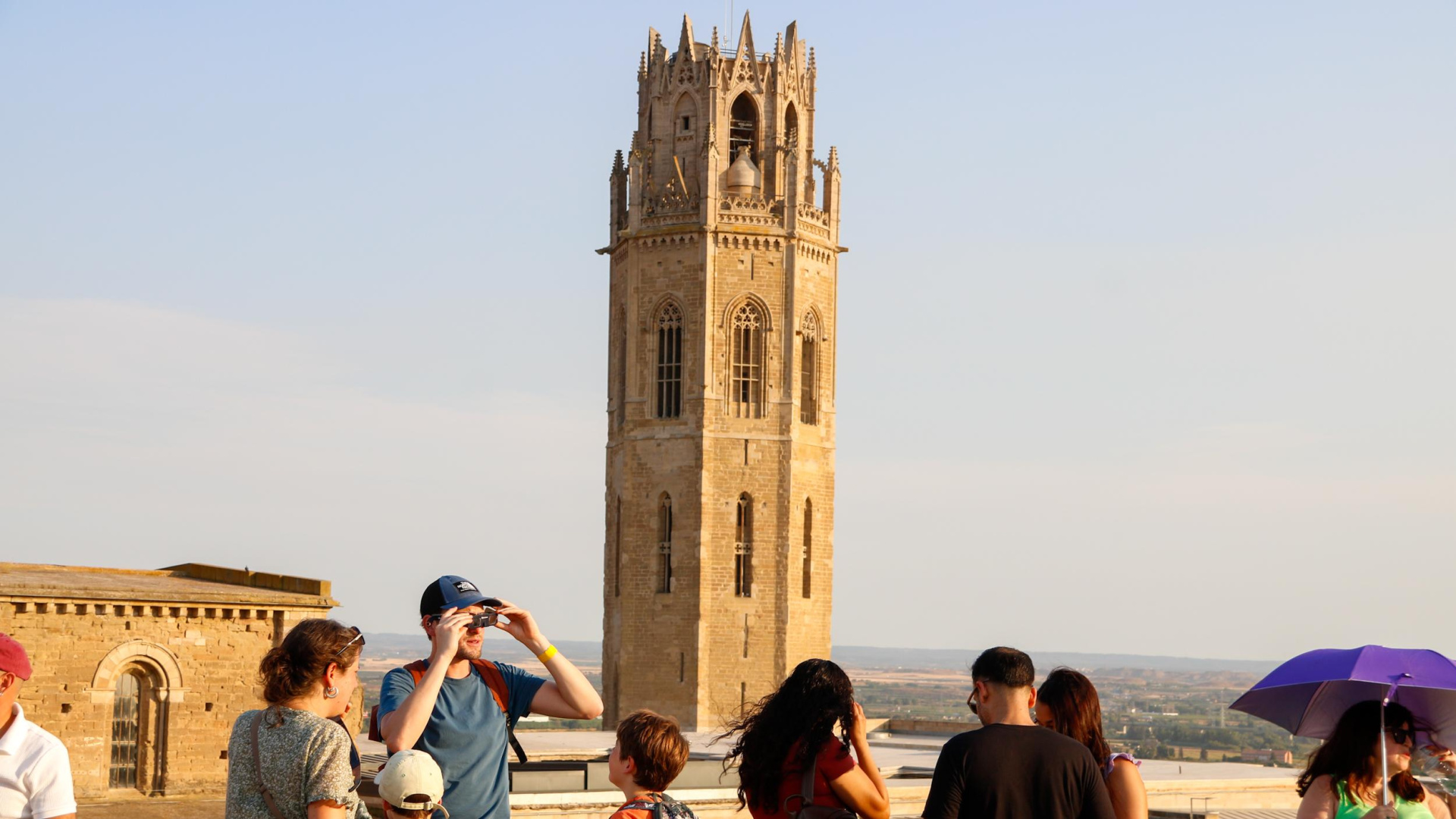
Catalonia is experiencing spring-like temperatures of up to 25 degrees Celsius on Wednesday as the annual Saint Martin warm spell sweeps across the region.
The unseasonable conditions have brought mild air across northeastern Spain, defying the approach of late autumn with weather that feels closer to May than mid-November.
Coastal and pre-coastal areas are set to record the highest readings of the day, following a similarly warm Tuesday that saw local residents take advantage of short-sleeve weather.
Coastal warmth and mild mountain temperatures
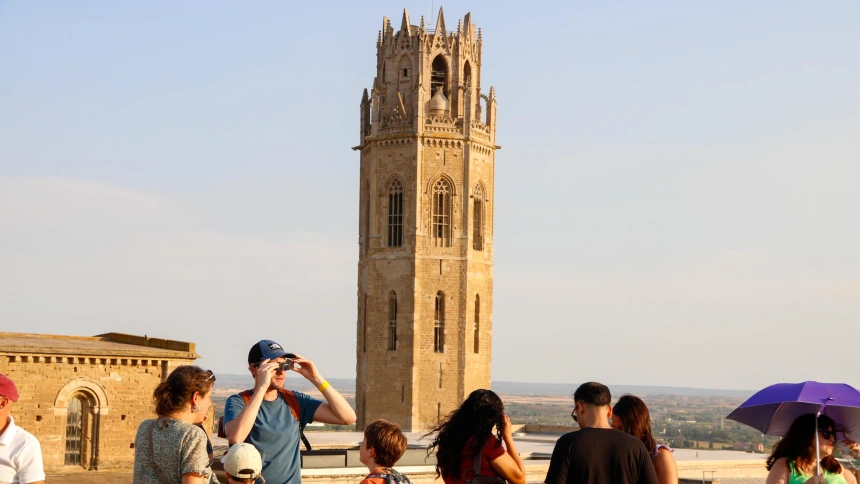
Weather stations across Catalonia reported an absence of early morning frost in the Pyrenees mountains along the French border. Near the Mediterranean shoreline, early morning temperatures remained comfortably above 15 degrees Celsius.
By midday, temperatures climbed between 17 and 22 degrees Celsius across broad stretches of the region. The mild conditions reached inland river basins and mountain valleys, where mercury levels were expected to approach 20 degrees Celsius with ease.
The warmest conditions were forecast along the coastal and pre-coastal belts, which include the hills and plains surrounding Barcelona. Observatories in those sectors could reach peaks of 24 or 25 degrees Celsius, providing a brief period of warmth before colder autumn conditions set in.
Anticyclonic pressure and the Saint Martin tradition
The temporary warm spell is known in Catalan as l'estiuet de Sant Martí, or Saint Martin's little summer. The phenomenon is named after Saint Martin of Tours, a fourth-century bishop whose feast day is celebrated on November 11.
According to popular Christian legend, Martin was a Roman soldier who cut his cloak in half to share with a freezing beggar, prompting the sun to emerge and warm the winter air. In meteorological terms, however, the warmth is driven by stable anticyclonic systems.
These high-pressure weather systems bring calm atmospheric conditions and clear skies across the Iberian Peninsula. As descending air within an anticyclone warms under pressure, it pushes regional temperatures slightly above normal autumn benchmarks.
While popular folklore treats the warm spell as an annual fixture, meteorologists point out that it is not guaranteed to occur every year or on an exact calendar date. Catalonia also observes an earlier autumn warm spell at the end of September known as l'estiuet de Sant Miquel, aligned with the feast of Saint Michael on September 29.
European names for late autumn warmth
Similar periods of unseasonable autumn warmth are recognized across Europe under a wide variety of cultural and religious designations. In other regions of Spain, Spanish speakers refer to the November event as the veranillo de San Martín.
The late September spell in Spain is known as the veranillo de San Miguel, or the veranillo de los Arcángeles in reference to the archangels. It is also called the veranillo del membrillo, marking the seasonal harvest of the golden quince fruit across the countryside.
In France, people refer to the November warm days as the été de la Saint-Martin. French observers frequently associate the mild conditions with warm winds sweeping in from the south-west.
German-speaking countries, including Germany, Austria, and Switzerland, use the term Altweibersommer, which translates as old women's summer. The phrase is widely used across Central Europe to describe dry, sunny days in late September and October.
In several Slavic nations, the warm spell is called babí léto, meaning the end of summer, or linked to the feast day of Saint Wenceslas on September 28. In Bulgaria, folk tradition refers to the period as the gypsy summer or the poor people's summer.
Swedish tradition marks its own late season warm spell known as brittsommar, connected to the names Birgitta and Britta around their traditional feast on October 7. In Ireland, the Irish Gaelic expression fómhar beag na ngéanna translates as the little autumn of the geese.
Indian summer and southern hemisphere seasons
Across the Atlantic, the phenomenon is best known in the United States as Indian summer. The exact origin of the term remains uncertain, though historians point to two prevailing theories.
One theory suggests the phrase originated with European settlers and explorers traveling into indigenous lands during unexpected periods of fair weather. A second theory links the name to warm, hazy autumn days that Native American hunters utilized to stock up on food before winter arrived.
The term Indian summer spread to Great Britain during the middle of the 20th century. Before then, British folklore connected mild autumn interludes to Saint Martin on November 11 and to Saint Luke, whose feast day falls on October 18.
In the southern hemisphere, the seasons are reversed, with winter beginning in June. In Central and South America, warm, sunny days that interrupt the cold of the austral winter in late June are known as the veranito de San Juan, named for the feast of Saint John the Baptist on June 24.