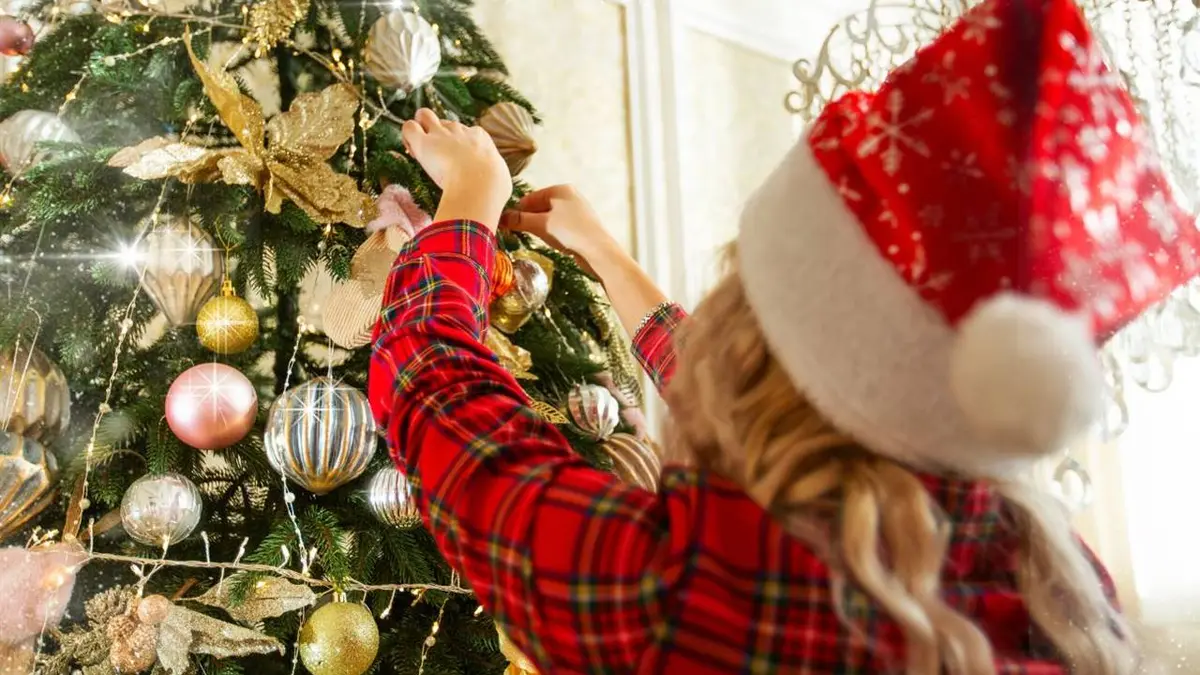
Doctors and allergy specialists are drawing attention to what is popularly known as "Christmas tree syndrome," a cluster of symptoms including sneezing, itchy eyes and coughing that some people develop shortly after bringing a Christmas tree, natural or artificial, into their home.

The term is not a formal diagnosis but a way of describing reactions that tend to appear once holiday decorations are set up. According to the Italian newspaper Corriere della Sera, one clue that discomfort is linked to the tree is that symptoms appear or worsen after it is assembled and ease once a person leaves the room or the tree is taken down.
Natural trees can carry pollen, dust and mold
Natural fir trees can arrive at home already carrying traces of pollen, dust and fungi that accumulate on the branches and bark during cultivation and transport. Even the resins responsible for a fir's characteristic scent can cause irritation in some people.
One of the studies cited by Corriere della Sera identified more than 50 types of mold after analyzing samples taken from 28 Christmas trees.
Artificial trees are not free of risk either
Swapping a natural fir for an artificial one does not guarantee an end to the sneezing, especially if the tree has spent months stored in a cellar, storage room or attic. During that time, the tree itself, along with its baubles and garlands, can collect dust and mold, which scatters into the air once the decorations are brought out again for the season.
Of more than 1,600 allergy patients who took part in another study cited by the Italian paper, 7% reported symptoms linked to natural Christmas trees. The research did not establish how many people overall might be affected by the syndrome, since the study looked only at patients who already had diagnosed allergies.
What to do before decorating the house
In Spain, the Andalusian Society of Allergology and Clinical Immunology, known as ALERGOSUR, advises shaking out and cleaning natural fir trees outdoors before bringing them inside. The group also recommends that people with fungal allergies avoid moss and damp branches, which are traditionally used to decorate nativity scenes.
Anyone who washes a natural tree should let it dry completely, since lingering moisture encourages mold to grow. For artificial trees, Corriere della Sera recommends wiping down the branches, baubles and garlands with a damp cloth before putting the tree together. Anyone especially sensitive to dust or mold can wear an FFP2 face mask while doing this task.
Storing decorations correctly for next year
Specialists also recommend paying attention to how decorations are packed away once the festive season ends. Rather than placing the tree and ornaments straight back into their boxes, it is better to clean them first and store them in well-sealed containers in a dry part of the house until the following year.
Test yourself
What does "Christmas tree syndrome" describe?
How many types of mold did a study find after analyzing 28 Christmas trees?
What percentage of allergy patients in one study linked symptoms to natural Christmas trees?
Have your say
Do you take any precautions when putting up your Christmas tree because of allergies?