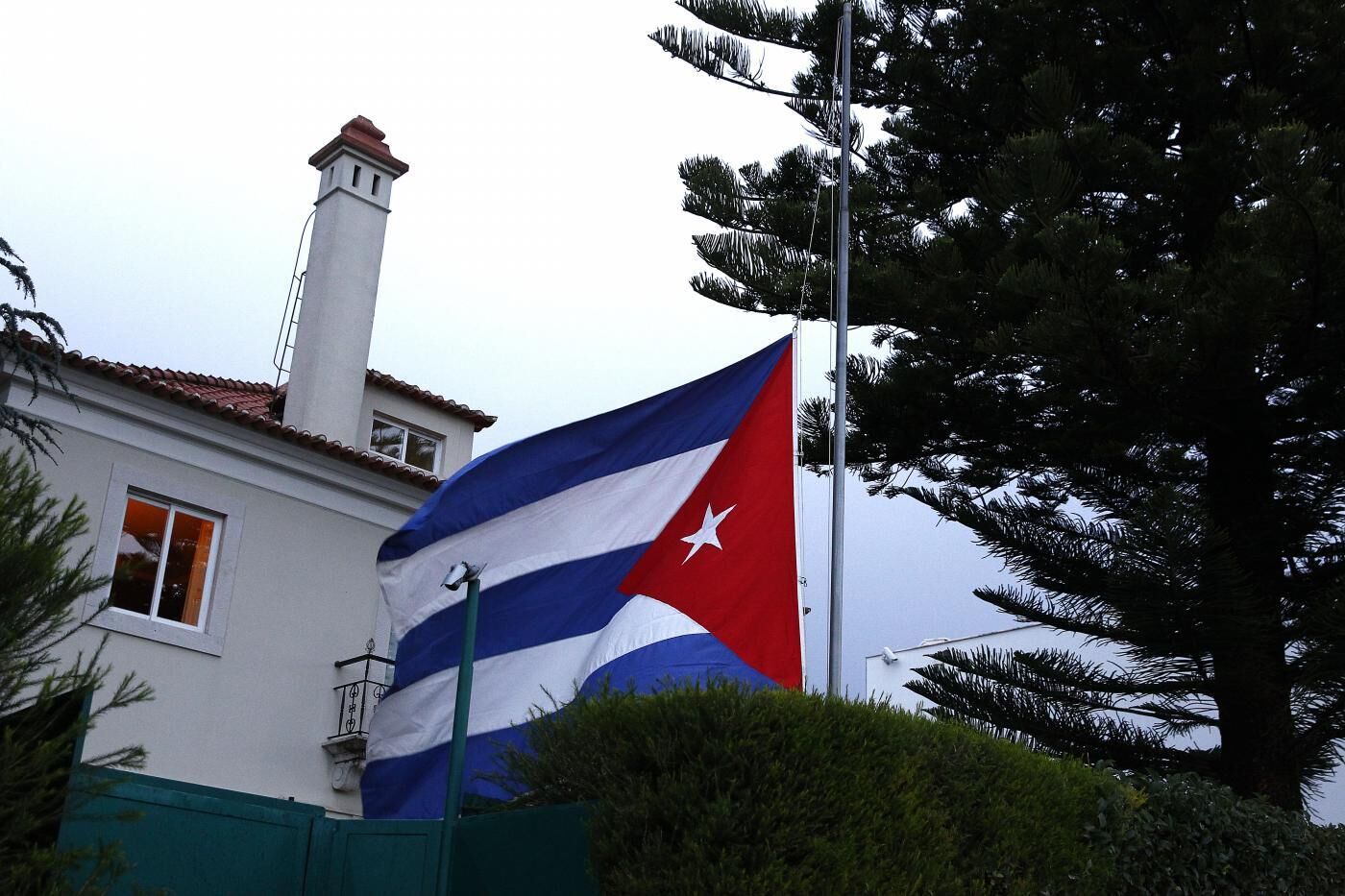
Cuban authorities announced on Tuesday that electricity supply had been restored following the country's sixth national blackout of the year, which began Sunday night into Monday amid a severe energy crisis and a fuel blockade imposed by the United States.
The state electric company UNE said the national grid had been reestablished after a widespread outage lasting a day and a half, but vast areas of the country remained without power, according to AFP. In Havana, the capital, only 42% of the city had electricity by midday Tuesday, according to the report.
Authorities struggled to restore the system, fueling frustration among a population that already endures near-permanent local power cuts on top of the six general blackouts this year.
Residents describe a "new normal"
Carlos Garcia, a 57-year-old driver, said this was the new normal: the system collapses, officials turn it back on, and it collapses again, but either way people never really have electricity, even when the grid is not down, so for him it changes nothing.
Cuba, home to 9.4 million people, has been mired in a deep economic crisis for several years, and the communist government is struggling to keep electricity flowing to citizens because of aging infrastructure and the severe energy blockade imposed by Washington.
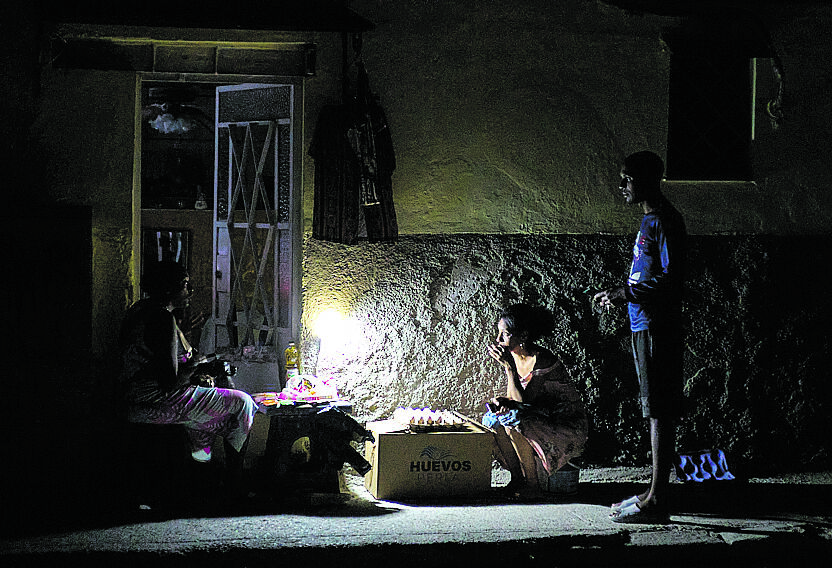
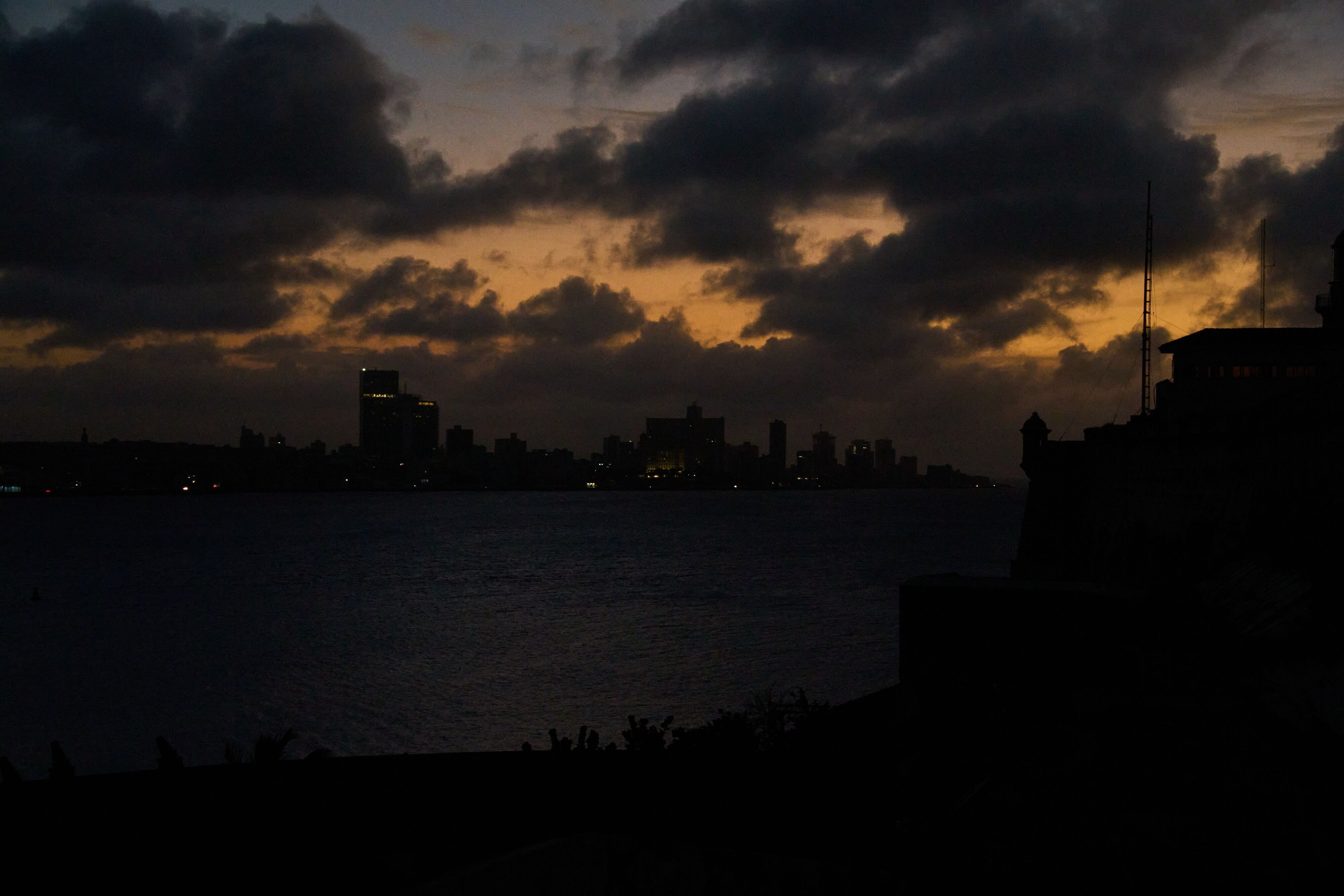
Most Cubans now have electricity only a few hours a day, making daily life extremely difficult, with frequent cuts affecting water pumps, fans and other appliances. On Monday night, in the total darkness of Old Havana, residents gathered on balconies or leaned out of windows, banging kitchen utensils to express their discontent.
Foreign minister blames Washington
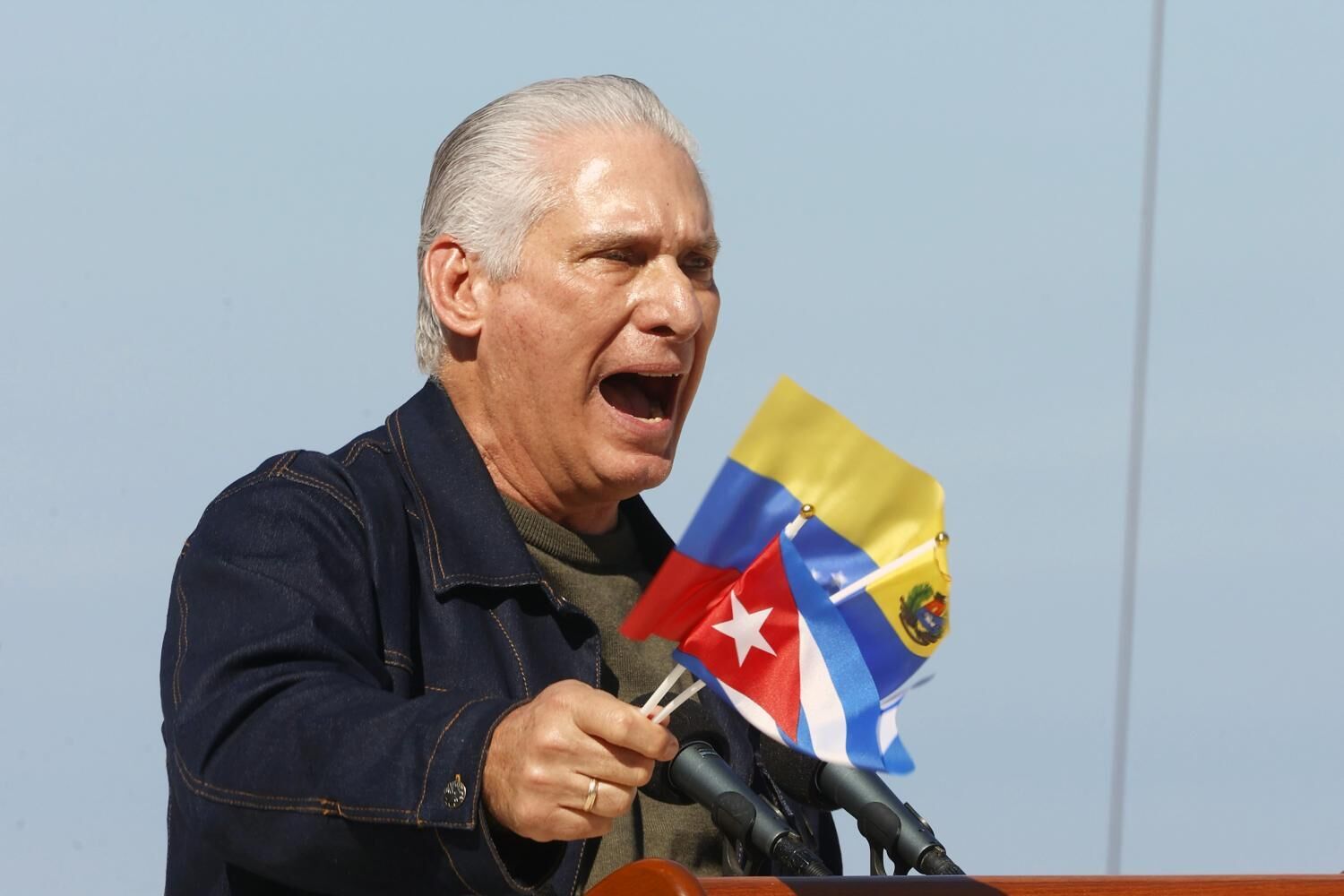
On Tuesday, Cuban Foreign Minister Bruno Rodriguez blamed Washington for the crisis, writing on social media platform X that the grid failures were direct consequences of what he called the genocidal blockade the United States has imposed on Cuba.
The United States, for its part, says the crisis stems from economic mismanagement by the communist government.
Aging plants and an oil blockade
The seven thermoelectric plants that form the backbone of Cuba's national grid are more than 40 years old and suffer frequent breakdowns.
Power cuts have worsened since January, when Washington imposed an oil blockade on the island that has complicated fuel supplies for these plants and for backup generators.
Relations between the United States and Cuba have deteriorated significantly since the start of the year, especially after American forces captured Venezuelan President Nicolas Maduro, an ally of the Cuban government.