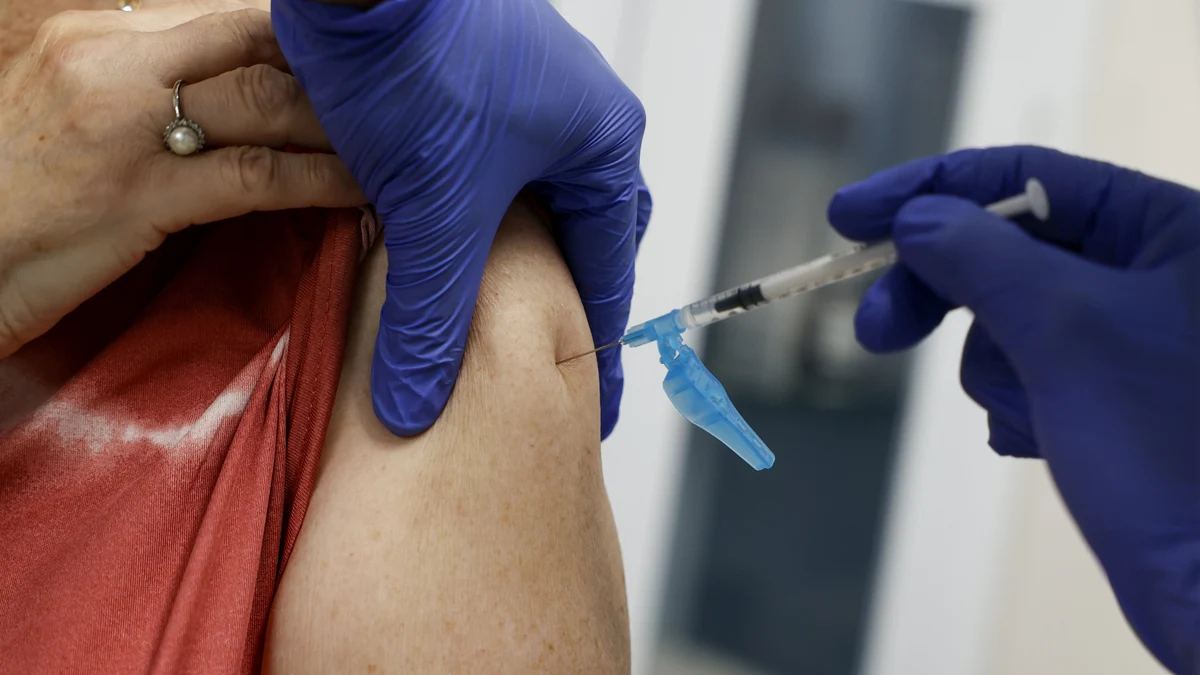
Doctors and patient organizations in Spain are calling for wider vaccination coverage among adults over 60, chronic patients and people with weakened immune systems, warning that immunization in these groups remains a neglected area of healthcare despite its role in preventing serious infections.
The appeal was made during the Summit Encuentro con Organizaciones de Pacientes, titled "Building Trust in Prevention: Protecting the Future of Vulnerable Patients," an event promoted by the pharmaceutical company Pfizer.
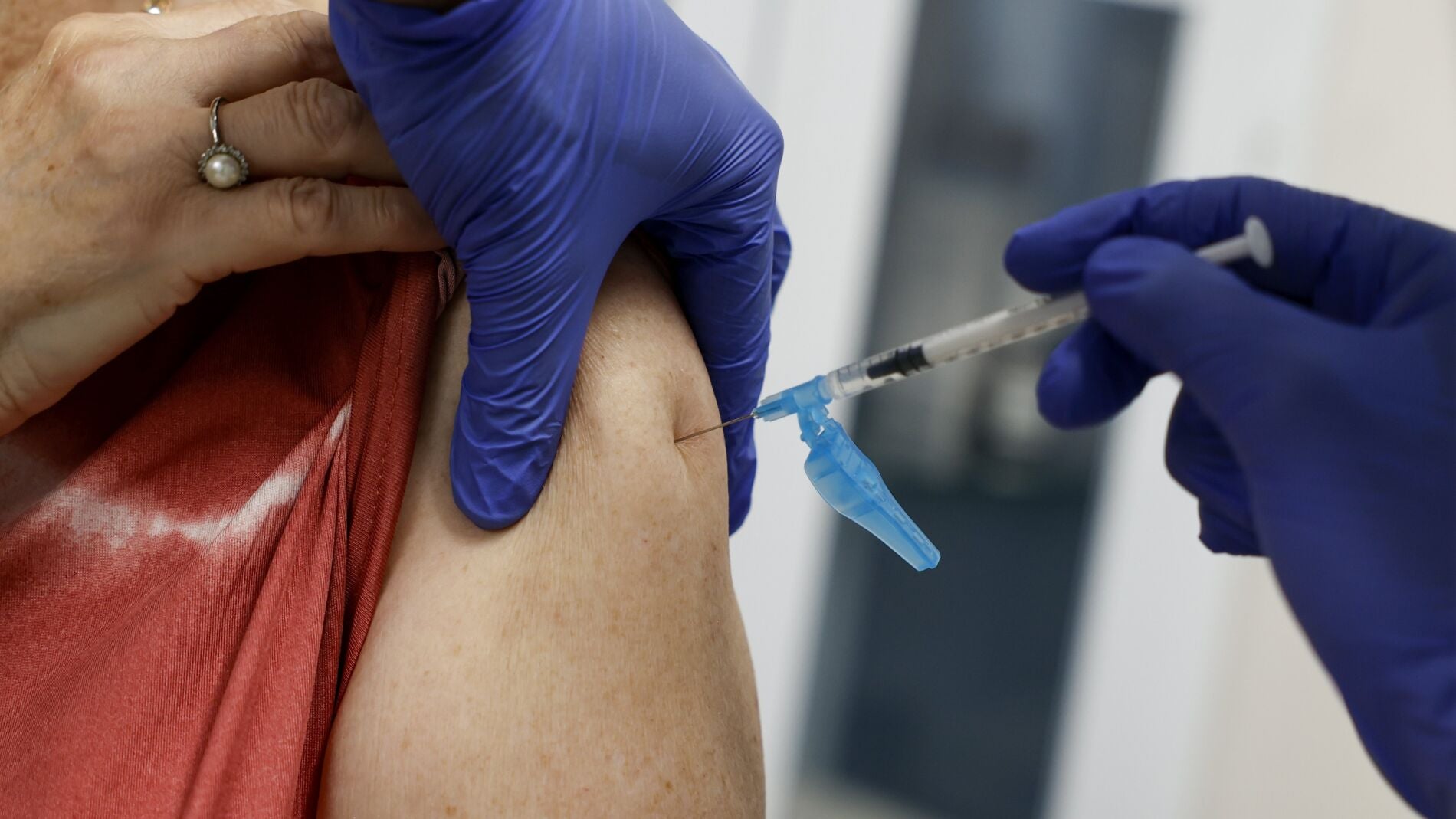
Dr. Isabel Jimeno, head of the Vaccines Group at the Spanish Society of General and Family Physicians (SEMG), said that expanding adult vaccination is not a matter of fashion but a necessity given the current health context.
Why older adults face more risk
Jimeno pointed to demographic and medical factors behind the growing focus on vaccinating older adults. She said people are living longer, developing more chronic conditions over time, and that the immune system also ages and works less effectively, raising the risk of infections and serious complications. She stressed that these complications can be prevented.
Jimeno said vaccination decisions should not depend solely on chronological age. She explained that certain clinical situations, illnesses and personal circumstances can be strong reasons for someone to get vaccinated, citing the example of a person aged 40 or 50 with a chronic disease or undergoing certain treatments.
She identified younger chronic patients as the group hardest to reach with vaccination, saying they are the ones who most often slip through the cracks. She attributed this to a lower perception of risk among these patients and to gaps in some healthcare professionals' training on adult vaccination, which she said makes it harder to communicate the need for it.
Patients lack information, group says
Carina Escobar, president of the Patients' Organizations Platform (POP), said this lack of awareness is also a concern for patient groups. Citing data held by the organization, she said only one in five chronic patients gets vaccinated, even though 40% of patients say they would have chosen to be vaccinated had they received more information about its importance.
Escobar said there is a clear lack of information. She argued that prevention cannot rest solely with public health services or nursing staff but must become part of routine care. She said prescriptions from primary care doctors, specialists or anyone prescribing biologic or immunosuppressant drugs should always come with a vaccination plan.
She added that chronic patients already manage a lot of medication and undergo many tests, so they need to be addressed differently, calling for healthcare professionals who are closer to patients and understand their specific needs.
Cancer and transplant patients at particular risk
Escobar said this need is especially relevant for people with cancer, autoimmune diseases, immunosuppressed patients, and those who have received or are awaiting an organ transplant. In these cases, she said protection should extend to family members as well, to reduce the chances of infections spreading within the household.
She called on healthcare professionals to make vaccination a routine part of consultations, asking patients as a matter of course whether they are vaccinated.
The cost of not preventing infection
Jimeno warned that the consequences of failing to prevent infection can go beyond simply recovering from illness. She used pneumonia as an example, saying it can significantly worsen the condition of a patient already living with a chronic disease.
She said that when a patient is admitted to hospital with pneumonia, they often leave having lost several steps of independence and quality of life, potentially needing oxygen, more medication, or losing part of their autonomy. She said the cost to quality of life matters far more than the economic cost of a hospital admission.
Jimeno also noted that vaccination helps reduce the circulation of certain microorganisms, lowering the need for antibiotics and helping address the problem of antimicrobial resistance.
Patient groups as a bridge to the system
Escobar described patient associations as essential intermediaries between citizens and the health system, capable of identifying barriers, resolving doubts and tailoring messages to the needs of each group. She said the system needs to go proactively toward the population rather than waiting for patients to request vaccination themselves.
She said associations act as a vehicle because they provide services, stay in contact with patients and set an example, adding that when a person with a chronic illness says publicly that they get vaccinated, it builds trust among others.
Escobar summed up her message by saying that getting vaccinated means health, and years of life.
Test yourself
According to the Patients' Organizations Platform (POP), what proportion of chronic patients gets vaccinated?
What group did Dr. Isabel Jimeno say is hardest to reach with adult vaccination?
What did Carina Escobar say vaccination represents?
Where it happened
Madrid, Spain