

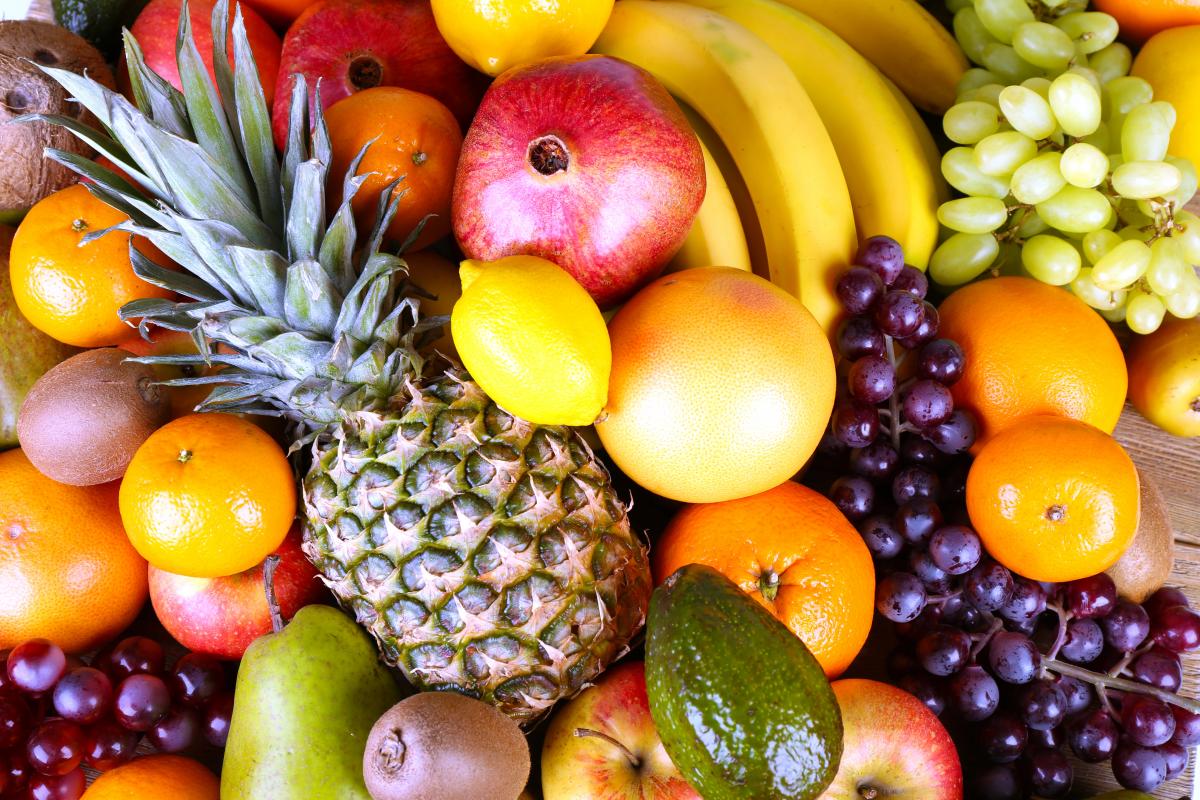
Nutritionists Daniela Novotna and Michelle Lujan have identified five fruits richest in anti-inflammatory antioxidants in a report published by Martha Stewart.
The experts explained that antioxidants shield healthy cells from oxidative stress, a biological process that damages cells over time. According to research data from Harvard Medical School, progressive cellular damage can harm body tissues and organs, eventually leading to chronic illnesses. Antioxidants counteract the unstable molecules that cause oxidative stress, helping to prevent long-term disease.
Harvard Medical School, located in Boston, Massachusetts, is a global leader in medical research and education. Martha Stewart is an American media brand that provides home, food, and wellness coverage.
The report highlighted that consuming antioxidant-rich fruit is only one strategy for fighting systemic inflammation. Health experts stressed the importance of maintaining a balanced diet rich in dietary fiber, anti-inflammatory fats, and lean protein, alongside staying physically active, securing adequate sleep, and managing daily stress.
Antioxidants and cellular protection
While all fruits contain antioxidants, certain varieties carry far higher concentrations of protective compounds. Daniela Novotna highlighted blueberries as a primary choice due to their high levels of anthocyanins. Anthocyanins are natural water-soluble pigments that give fruits their vibrant blue, purple, and red shades.
A study published in the peer-reviewed journal Advances in Nutrition showed that anthocyanins help reduce inflammation throughout the body, lowering the risk of heart disease and other chronic conditions. Novotna noted that blueberries are also packed with vitamin C, an antioxidant that prevents cellular damage, supports collagen synthesis for connective tissue and skin health, and strengthens immune defenses.
Novotna also recommended oranges for their rich antioxidant profile, which includes vitamin C, flavonoids, and carotenoids. Flavonoids and carotenoids are bioactive plant compounds widely recognized for their health-promoting properties. In the human body, these compounds reduce inflammation and bolster overall health by reinforcing the immune system.
Blackberries and red grapes
Nutritionist Michelle Lujan pointed to blackberries as another exceptional source of antioxidant anthocyanins. Like other deeply colored fruits, blackberries contain a combination of flavonoids, vitamin C, resveratrol, and ellagic acid.
A study featured in the International Journal of Molecular Sciences, an open-access journal covering biochemistry and molecular biology, confirmed that all four of these chemical compounds possess strong antioxidant properties. Lujan added that blackberries are also loaded with dietary fiber, a fundamental nutrient required for healthy digestion and intestinal function.
Red grapes rank among the top fruits for total antioxidant capacity, according to Lujan. She explained that red grapes are exceptionally rich in resveratrol, a plant-derived antioxidant compound that neutralizes free radicals. Free radicals are unstable molecules that inflict damage on healthy cells, proteins, and cellular DNA.
Lujan said resveratrol can help lower blood pressure, reduce harmful LDL cholesterol levels, and guard against blood clot formation. Low-density lipoprotein, commonly called bad cholesterol, contributes to fatty plaque buildup in arterial walls. Red grapes also supply ellagic acid, which simultaneously reduces oxidative stress and inflammatory responses.
Pomegranates and cardiovascular health
Novotna identified pomegranates as an outstanding source of specialized antioxidants, specifically punicalagins and ellagic acid. She explained that both compounds exhibit anti-inflammatory properties that support cardiovascular function and skin health. Pomegranates also contain potassium, an essential mineral for blood pressure regulation, and fiber for digestive health.
The recommendations follow earlier reporting by UNIAN on fruits and vegetables that improve blood circulation. Dietitians previously noted that onions, citrus fruits, and other plant foods contain specific compounds that help lower blood clot risks and improve blood vessel condition, promoting healthier circulation throughout the body.


