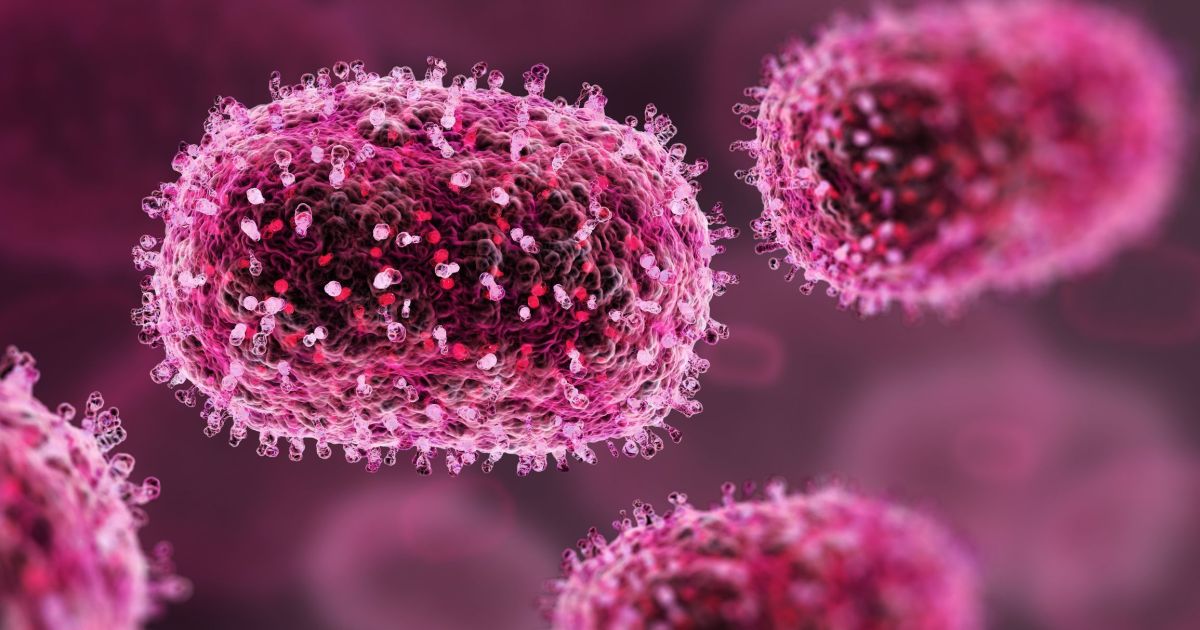
Florida health officials have warned that a "flesh-eating" bacteria thriving in warm, brackish seawater has killed Americans in recent years, with infections of the bloodstream proving fatal in roughly half of all cases. The Florida Department of Health has published data showing the bacterium, Vibrio vulnificus, caused dozens of infections and deaths in the state after Hurricanes Ian and Helene, and it continues to pose a risk to swimmers and seafood eaters.
The bacteria spread through two main routes, according to the health department: eating raw or undercooked shellfish such as oysters, and exposing open wounds or cuts to contaminated seawater.
What Vibrio vulnificus is and how it spreads
Vibrio vulnificus is a microorganism that occurs naturally in warm, brackish marine environments. People become infected either by eating raw or undercooked mollusks, particularly oysters, or through direct contact between an open wound, cut or skin lesion and contaminated seawater.
When the infection is caught by eating contaminated shellfish, it produces gastrointestinal symptoms such as watery diarrhea, abdominal pain, nausea and vomiting, along with fever and chills, the department said. Contact between contaminated water and an open wound can cause local skin infections, marked by redness, swelling, pain and the formation of skin ulcers.
Risk groups, amputations and the death rate
Most healthy people who become infected experience only mild illness. But the infection can turn severe in people with chronic liver disease, kidney failure or a weakened immune system, who face an 80 times higher risk of developing bloodstream infections than people without those underlying conditions, according to the health department.
When the bacteria reach the bloodstream, patients can develop high fever, chills, dangerously low blood pressure known as septic shock, and skin lesions with blisters. The death rate for bloodstream infections is approximately 50%, the department said. Overall, about one in five infected patients dies, sometimes within 24 to 48 hours of symptoms appearing.
The severity of the infection often requires treatment in an intensive care unit or amputation of the affected limb.
How hurricanes and flooding drive up cases
The risk of exposure to Vibrio vulnificus rises after severe storms and hurricanes, the health department said, because floodwater and stagnant water create conditions in which the bacteria can multiply and come into contact with people.
Official records point to spikes in infections tied to major weather events. Hurricane Ian in 2022 caused an unusual rise in cases in Collier and Lee counties, contributing to a total of 74 infections and 17 deaths across Florida that year.
Hurricane Helene had a similar effect in 2024, pushing up infections in counties including Pinellas, Hillsborough and Pasco, for a combined 82 confirmed cases and 19 deaths. In 2026, Florida recorded 36 cases and seven deaths linked to the bacteria.
Prevention measures recommended by health officials
To limit the risk of infection, Florida's health department recommends several precautions around food preparation and water exposure.
It advises against eating raw oysters and other raw shellfish. Mollusks still in the shell should be boiled for five minutes or steamed for nine minutes after the shells open, the department said, while shucked oysters should be boiled for at least three minutes or fried at 190 degrees Celsius for at least ten minutes.
The department also recommends keeping raw seafood and its juices away from food that is ready to eat, avoiding exposure of open wounds or cuts to warm salt or brackish water, and having people with weakened immunity or chronic illness wear protective footwear at the beach to avoid cuts from rocks and shells. It also advises wearing protective gloves when handling raw seafood.
Test yourself
According to Florida health officials, what is the death rate for Vibrio vulnificus bloodstream infections?
Besides eating raw shellfish, how else can people become infected with Vibrio vulnificus?
How many infections and deaths did Florida link to Hurricane Helene in 2024?
Where it happened
Florida, USA