

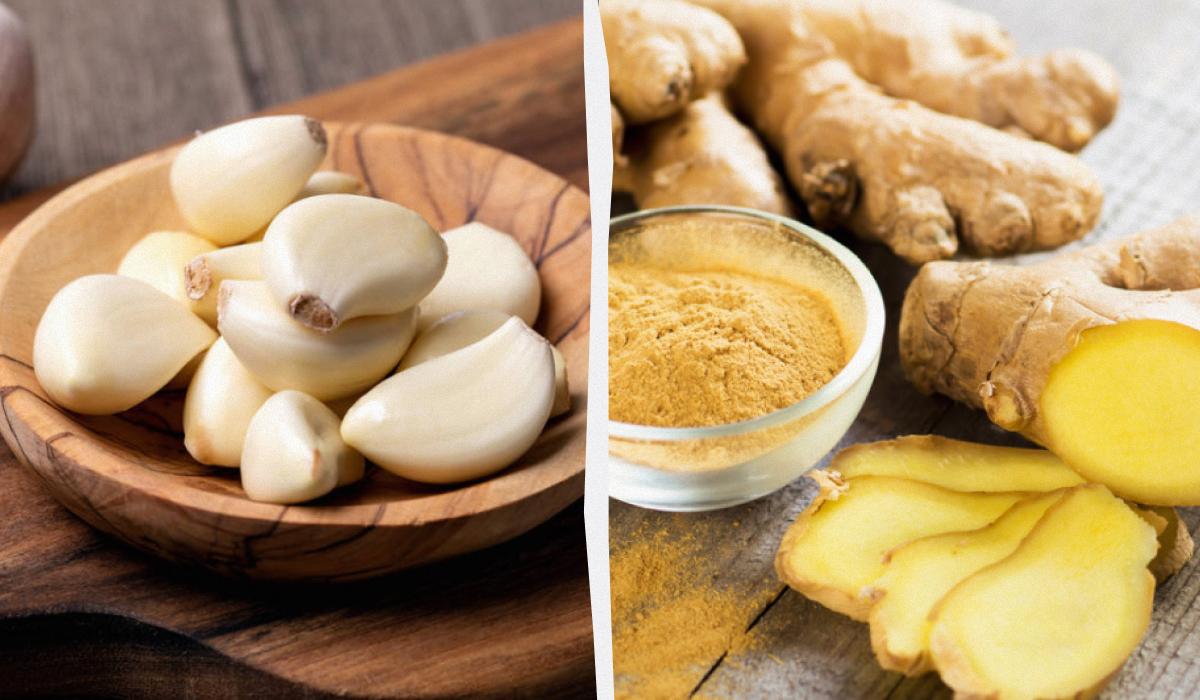
Garlic and ginger work most effectively as a team rather than competitors when strengthening immune defenses for cold season, according to dietitian Lauren Manaker writing for the publication Prevention.
Manaker stated that while both foods share strong reputations as natural remedies during autumn when bodies are vulnerable to colds, they function through entirely different biological mechanisms. She explained that combining both ingredients provides the body with a broader spectrum of protective compounds than using either one alone.
Garlic relies primarily on allicin, an active compound released whenever a clove is sliced or crushed. Allicin produces the sharp odor of garlic while actively stimulating white blood cells that fight cold and flu viruses. Garlic also contains diallyl disulfide and S-allyl cysteine, two additional compounds known for anti-inflammatory and antioxidant properties. White blood cells are essential components of the human immune system, serving as the body's main line of defense against pathogens.
Active compounds and digestive health
Ginger specializes in gingerol, the chemical compound responsible for its spicy flavor. Gingerol provides powerful anti-inflammatory and antioxidant effects that help keep chronic inflammation under control, protecting immune function from long-term strain. Manaker noted that ginger also relieves nausea and stomach discomfort, indirectly helping the body absorb sufficient nutrients during illness.
Both foods carry potential side effects despite their health benefits. Garlic can cause bad breath, heartburn, and bloating, and people taking blood-thinning medications should exercise caution because garlic possesses natural anticoagulant properties. Ginger consumed in large doses can cause heartburn, diarrhea, or mouth irritation, and also has a mild blood-thinning effect.
Recommended daily intake and dietary options
To maximize immune protection, Manaker recommended adding one to two cloves of fresh garlic daily alongside roughly one gram of fresh ginger. That portion of ginger is equivalent to a piece about 2.5 centimeters long, or a comparable amount of dried ginger.
Prevention is a long-running American health publication that frequently features dietary analysis from credentialed nutritionists. Dietitians regularly assess common ingredients to clarify how active chemical compounds influence human health.
The guidance follows a separate comparison by dietitians evaluating cheese and yogurt. Experts found that cheese and yogurt are nearly identical in protein, fat, and carbohydrate levels, but differ significantly in sodium, magnesium, and probiotic content, with specialists noting that one product holds a slight edge in overall nutritional value while the other still deserves a place in a balanced diet.


