

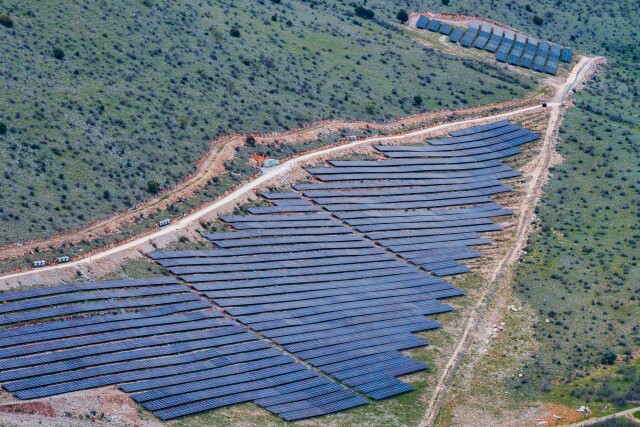
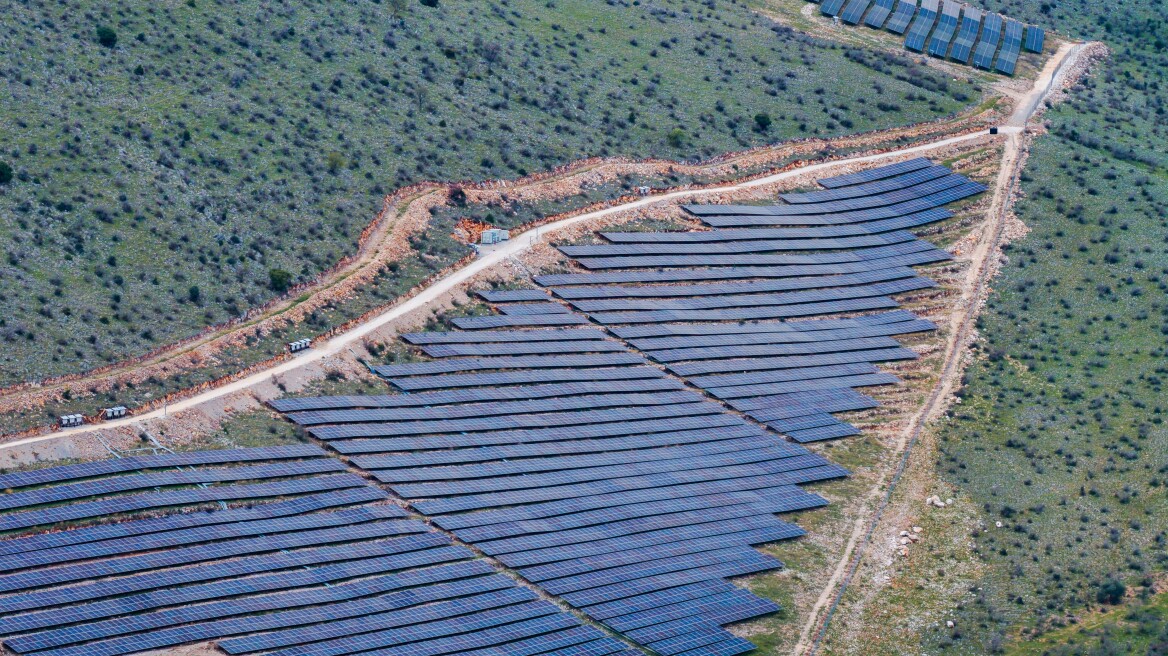
Greek wholesale electricity prices dropped to 96 euros per megawatt-hour on the Next Day Market, driven by high solar and wind generation that limited reliance on expensive natural gas.
The rate makes Greece one of the cheapest power markets in the European Union, while wholesale electricity prices in central Europe reached between 162 euros and 166 euros per megawatt-hour for the following day.
A megawatt-hour is a standard unit of electrical power used to measure large-scale electricity production and wholesale trading, equivalent to 1,000 kilowatt-hours. In wholesale power markets, the Next Day Market allows utilities and energy traders to buy and sell electricity for delivery during the following 24-hour period.
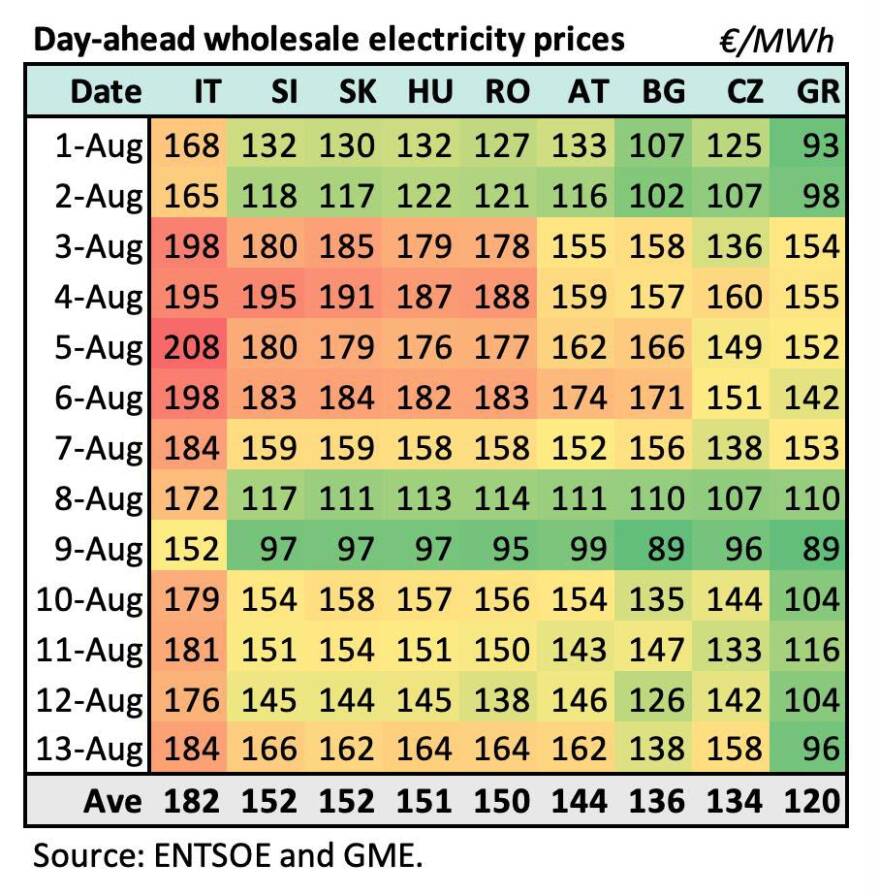
Figures from European grid coordinator ENTSO-E and Italian energy market operator Gestore dei Mercati Energetici showed Greece recorded the lowest average wholesale price among nine monitored countries between August 1 and August 12. Greece recorded an average wholesale price of 122 euros per megawatt-hour over the 12-day period.
ENTSO-E represents 39 electricity transmission system operators across Europe, while Gestore dei Mercati Energetici manages Italy's power exchange. Italy recorded the highest average rate in the group at 181 euros per megawatt-hour, creating a 59-euro gap with Greece. Greece also maintained an average price nearly 30 euros per megawatt-hour lower than nations facing acute energy pressure in Central and Southeastern Europe.
Comparison of regional wholesale electricity rates
Slovenia and Slovakia both registered average wholesale prices of 151 euros per megawatt-hour during the same period. Hungary recorded 150 euros, Romania registered 149 euros, Austria stood at 142 euros, Bulgaria recorded 135 euros, and the Czech Republic recorded 132 euros per megawatt-hour.
The low wholesale prices in Greece contrast with severe operational pressures across Southeastern Europe caused by prolonged heatwaves and widespread drought.
Danube drought threatens Romanian nuclear power plant
In Romania, historic low water levels on the Danube River forced operators to shut down one of two reactors at the Cernavoda nuclear power plant. The facility is Romania's sole nuclear power station and sits along the Danube, using river water to cool its nuclear reactors.
State-owned plant operator Nuclearelectrica warned that falling water levels threatened the remaining active reactor. Nuclearelectrica stated that a controlled shutdown of the second reactor was under consideration for August 13 if Danube water levels continued to drop.
Under normal operating conditions, the two reactors at the Cernavoda plant supply approximately one-fifth of Romania's total electricity generation.
Romanian authorities mobilized emergency interventions along the Danube to secure adequate cooling water for the facility. Romanian officials warned that a total loss of nuclear output would force the country to increase power imports and ramp up thermal generation during a period of regional supply constraints.
Renewable generation limits imported gas costs
Strong sunshine and heavy winds have protected the Greek market from regional price surges. Increased renewable production reduces the need for natural gas power plants, lowering market exposure to volatile imported fuel prices.


