

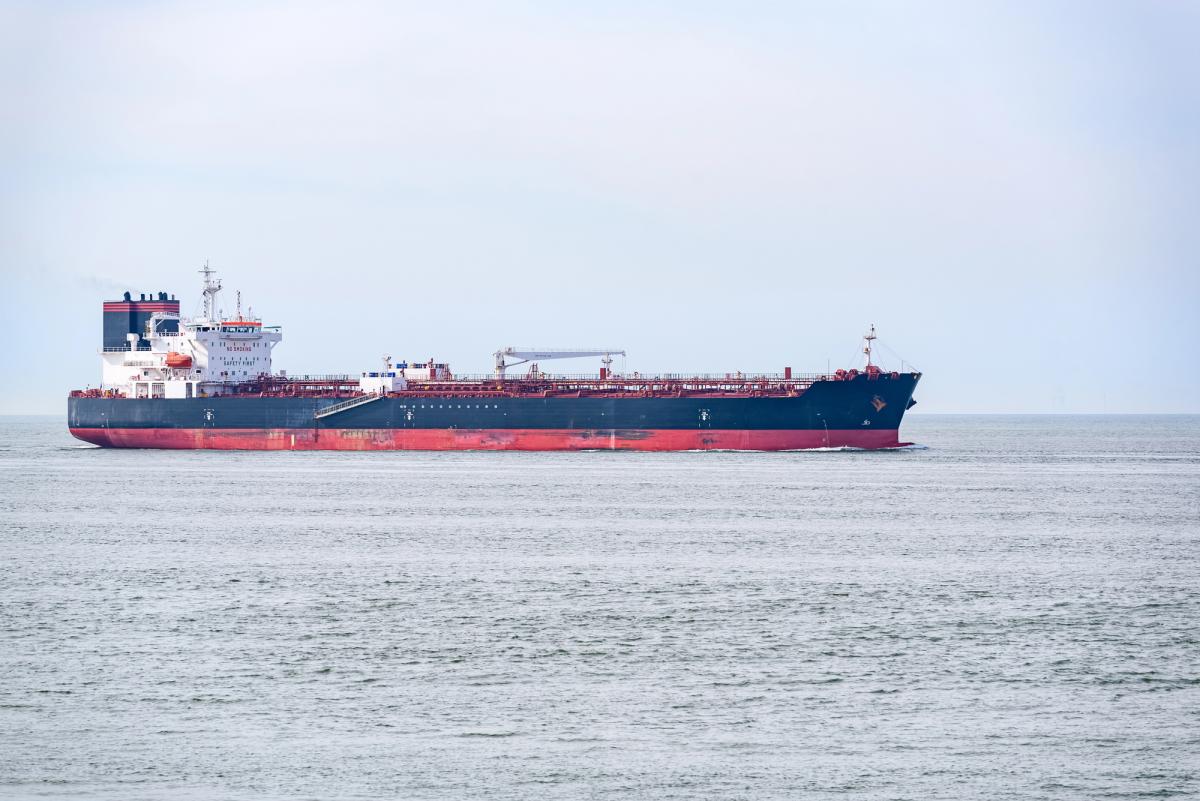
Middle Eastern oil producers are using covert shipping operations through the Strait of Hormuz to maintain crude exports and prevent global prices from surging.
The silent transport of oil through the narrow waterway and onto tankers in the Gulf of Oman has helped keep Brent crude futures trading between 80 and 90 dollars a barrel for most of August. Early market forecasts warned prices could reach 150 dollars a barrel following the outbreak of conflict with Iran.
Traders and analysts have struggled to track the covert fleet because the vessels disclose almost no location data. Sources familiar with the shipments said the volume of oil moving through these channels exceeds market estimates of 4 million barrels per day.
Covert transits through the Strait of Hormuz
Before the war with Iran, approximately 20 million barrels of crude passed through the Strait of Hormuz each day, accounting for roughly one fifth of global oil supplies. The narrow channel connects the Persian Gulf with the Gulf of Oman and serves as the main maritime route for Middle Eastern energy exports.
United States Energy Secretary Chris Wright stated last week that 9 million barrels per day moved through the strait over the preceding seven days. Bloomberg reported that covert vessels, combined with alternative routes, inventory releases, and weaker global demand, have contained the economic damage from the conflict.
Ship monitoring data shows that crude from Iraq, Qatar, and Kuwait is moving through the transit route alongside supplies from the United Arab Emirates. However, shipping during the conflict carries severe risks, with sources reporting more vessel incidents than have been publicly acknowledged. Western forces have taken defensive action against vessels pursuing commercial ships in the waterway.
Adnoc maintains export volumes despite attacks
The state owned Abu Dhabi National Oil Co, known as Adnoc, said it remains committed to delivering energy safely to global markets despite repeated attacks on its vessels. The United Arab Emirates energy firm said unprovoked attacks on its employees, ships, and facilities have put workers, contractors, and seafarers at heightened risk while disrupting critical energy flows.
Sources familiar with UAE operations said exports show no sign of slowing down, even after fresh Iranian attacks on vessels in recent days. Adnoc has already sold approximately 135 million barrels of oil to international buyers and announced a new sales round last week.
Satellite monitoring off the coast of Oman
The covert trade is concentrated off the coast of Oman outside the strait. European Union Sentinel-1 satellite data revealed that around 150 vessels, including giant oil tankers and dry bulk carriers, were stationed off the Omani coast, compared to roughly 40 ships in January. Sentinel-1 is an Earth observation satellite constellation operated for the European Union.
Turkish cuts to Russian crude imports
The global oil market is simultaneously adjusting to disruptions in the Black Sea, where Turkey reduced crude purchases from Russian ports in July and plans further cuts in August. According to Reuters, citing trader and LSEG data, the reduction follows Ukrainian drone strikes on Russian maritime terminals.
Ukrainian attacks in July forced a week-long halt in exports from the Caspian Pipeline Consortium terminal and caused unstable shipments from the port of Novorossiysk. Exports from the Caspian Pipeline Consortium, which transports crude from Kazakhstan to the Russian coast, dropped by 20 percent in July as a result of the strikes.
Turkey is expected to receive around 200,000 tonnes of crude from Russian Black Sea ports in August, carried on two tankers transporting Kazakh KEBCO crude. No shipments of Russian Urals or CPC Blend crude to Turkey are scheduled for the month, though shipping schedules may be updated.


