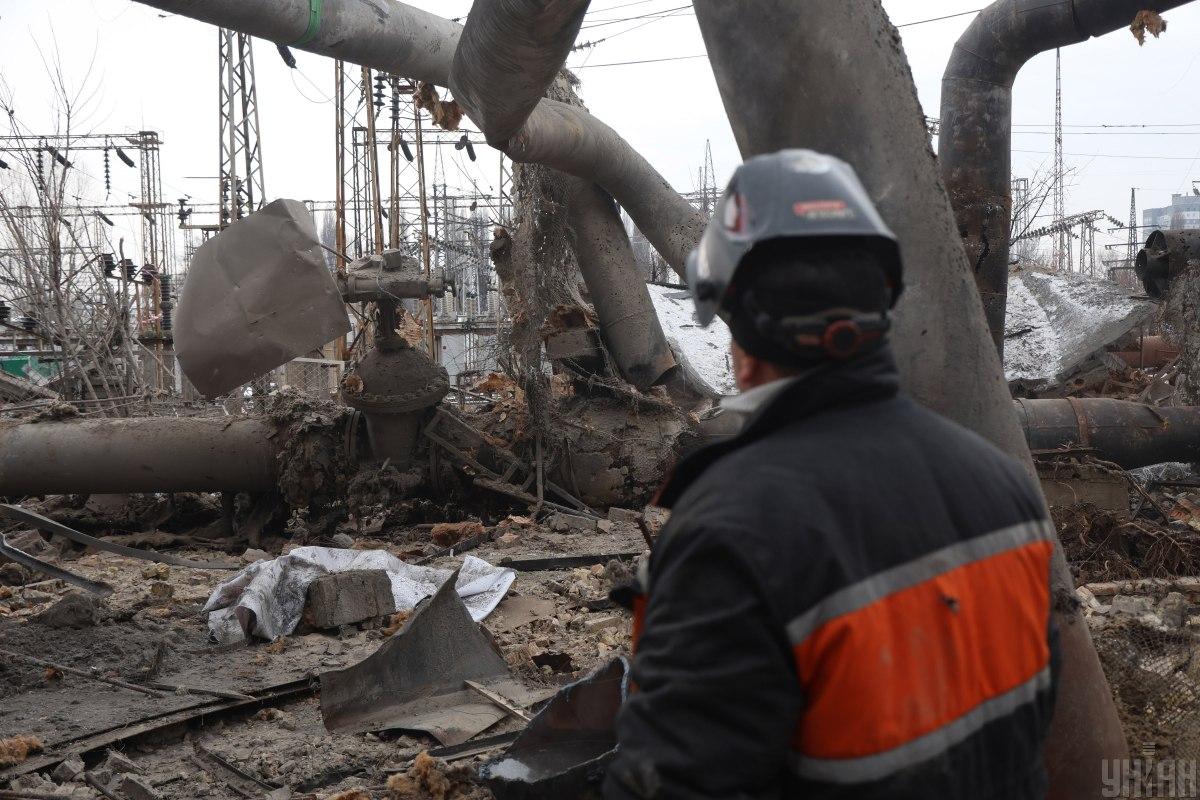


German trade union IG Metall has launched strikes across more than 2,000 metalworking and electrical enterprises nationwide following a collapse in wage negotiations.

The industrial action began during the night on Sunday at a plant operated by Rasselstein, a subsidiary of Germany's largest steelmaker Thyssenkrupp AG. Around 300 employees from the site and neighbouring businesses suspended their work on the production line to join the protest.
Union officials said that IG Metall was stepping up pressure after employers tabled what labour representatives considered an unsatisfactory offer during the second round of collective wage talks in 2026. The union reported that a wave of warning strikes was gaining momentum through the night between Sunday and Monday.
IG Metall is the largest trade union in Germany and the wider European economy, representing millions of workers in essential manufacturing branches including automotive production, machinery, steelmaking, and electrical engineering. Under the German system of collective bargaining, regional negotiations determine pay benchmarks for entire industrial sectors. Trade unions frequently call targeted warning strikes during negotiations to demonstrate member resolve and increase pressure on employer federations without initiating indefinite walkouts.
Union pay demands
Workers are demanding an immediate wage increase of 5 percent covering a period of 12 months for all employees. The union is also seeking dedicated social support measures for trainees and staff on low salaries, alongside binding commitments from employers to prevent factory closures and compulsory staff dismissals.
Employees rejected an alternative proposal presented by employers that offered a gradual wage increase of 1.3 percent, which would only begin in July 2028. Union members dismissed that timetable as unfair in the face of ongoing price increases.
Thyssenkrupp AG is an industrial conglomerate that serves as the cornerstone of German steel manufacturing, while its subsidiary Rasselstein operates as a major producer of packaging steel. Heavy industrial companies across the country have faced sustained cost pressures from global competition and high energy expenses, making wage settlements a key point of friction between management and staff.
Business sentiment index
The nationwide industrial action takes place against a mixed economic performance in Germany, the largest economy in Europe. In October, the German business climate index rose faster than analysts had forecast, climbing from 89.9 points to 90.2 points to record its highest level since May 2023.
Business expectations in the country also strengthened, advancing from 90.4 points to 91.6 points over the same period. The monthly survey is conducted by the Ifo Institute, a prominent economic research body based in Munich that monitors business sentiment across manufacturing, construction, and trade to gauge economic health.
Clemens Fuest, the head of the Ifo research institute, said that commercial sentiment had improved primarily because of confident expectations for the future. He pointed out, however, that the assessment of the current business situation had deteriorated slightly, even as the wider economic recovery continues.