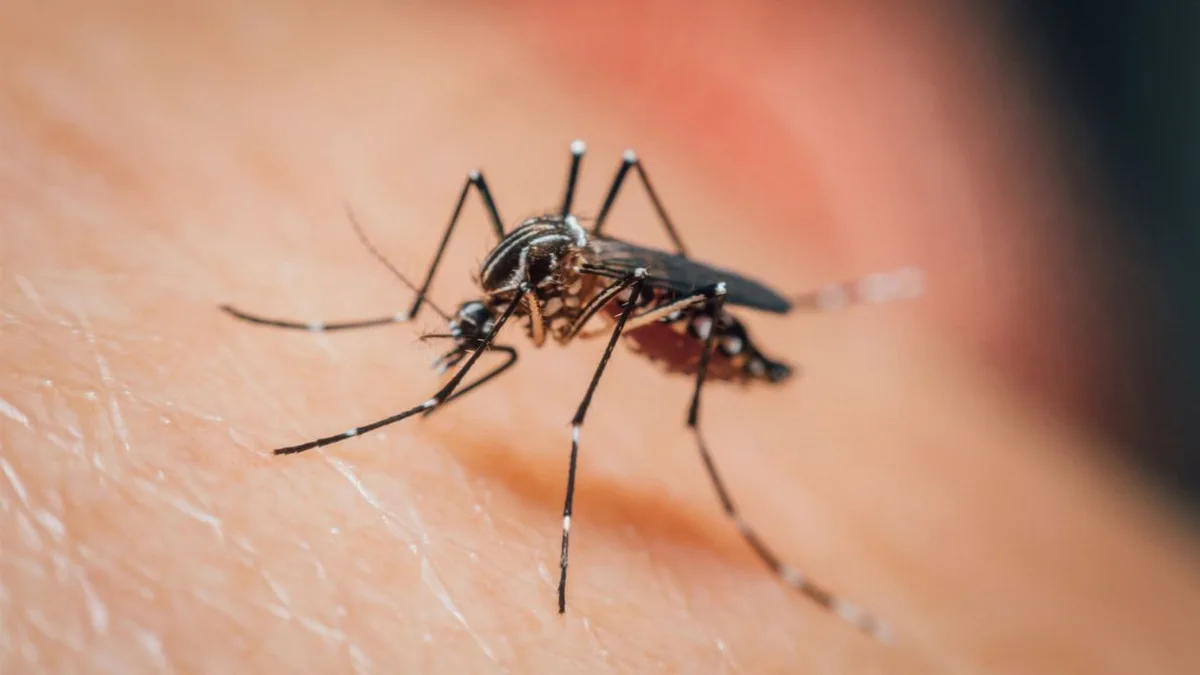
Researchers in Spain have detected Usutu virus for the first time in mosquitoes in Cádiz province, in the country's south, according to a study published in the journal Parasites & Vectors. The same research found that exposure to West Nile virus among the local population has risen sharply over the past decade.
The study was carried out by researchers from CiberINFEC, the Spanish biomedical research network dedicated to infectious disease, working at the National Centre for Microbiology, part of the Instituto de Salud Carlos III, the country's main public health research institute.
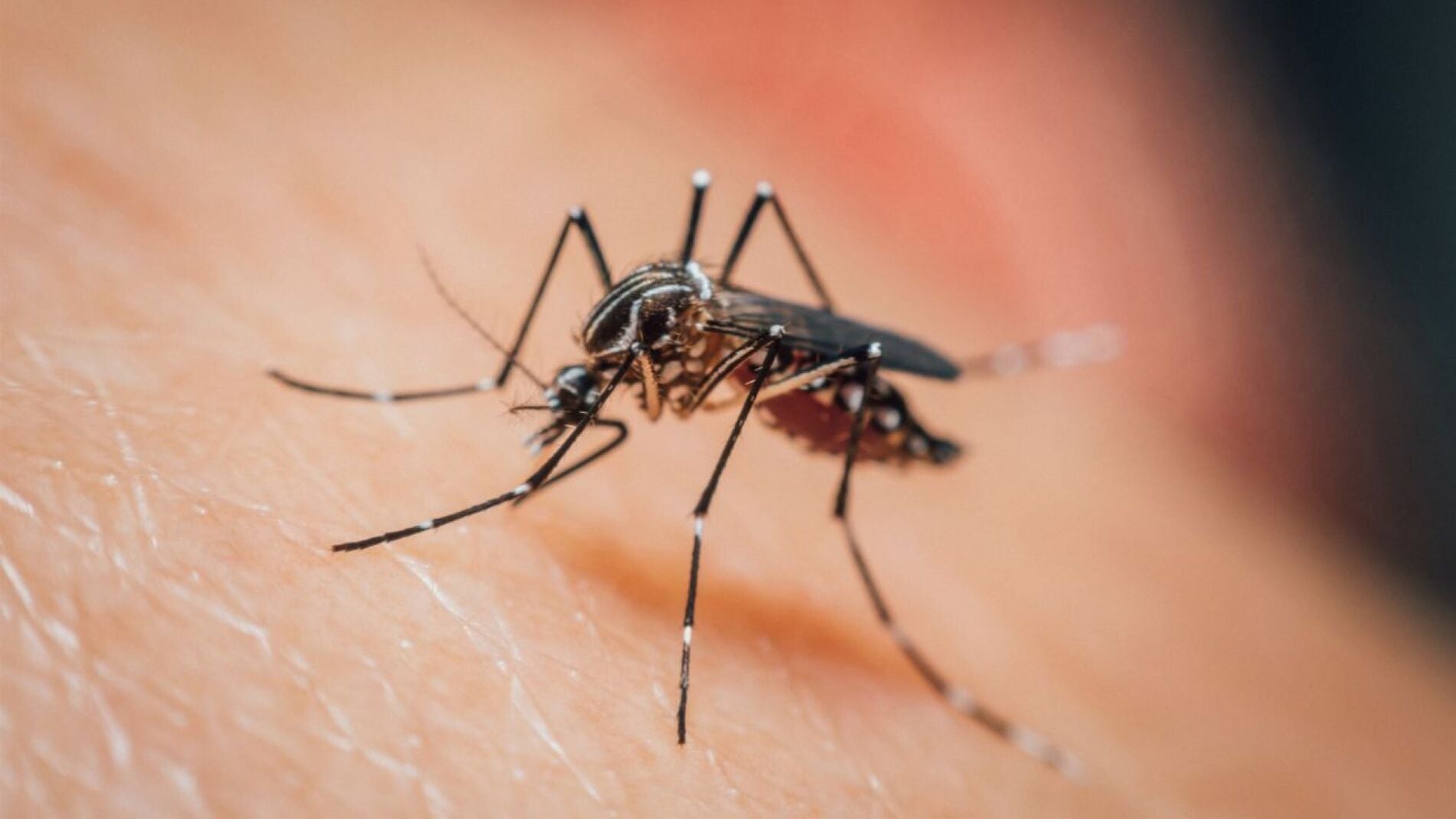
West Nile virus and Usutu virus are both orthoflaviviruses, a family of viruses spread by mosquitoes. Their spread across Europe represents a growing challenge for public health, and the researchers note that gaps remain in understanding how exposed European populations are and how diverse these pathogens have become.
West Nile virus mainly circulates between mosquitoes and birds, but can also infect humans and horses. Most people who become infected show no symptoms, though a small proportion develop fever or, in rare cases, severe neurological illness. Usutu virus follows a similar transmission cycle and chiefly affects birds, with human infections generally mild or symptomless.
West Nile virus exposure rising in Cádiz
To track how exposure to West Nile virus has changed over time, the research team analysed blood serum samples collected in 2015 and again in 2022 from ten municipalities across Cádiz province. Using serological tests and viral neutralisation assays, they identified antibodies specific to the virus in both sets of samples.
The results showed that seroprevalence, the proportion of people carrying antibodies to the virus, rose from 0.2% in 2015 to 0.9% in 2022. The geographic spread of exposure widened as well: antibodies were found in just three municipalities in 2015, compared with nine municipalities in 2022.
The researchers said the presence of neutralising antibodies shows that part of the population had been exposed to the virus and had mounted a specific immune response. They said the findings give a clearer picture of the geographic distribution of human exposure to West Nile virus in the province and how it evolved over the period studied.
Usutu virus found in Culex mosquitoes
Alongside the serological work, the study included an entomological surveillance programme carried out between 2022 and 2024, in which mosquitoes were captured across the province and tested using RT-PCR to detect and characterise the orthoflaviviruses circulating among them.
The analysis confirmed that West Nile virus was circulating in mosquitoes in several parts of Cádiz province, including some areas where human and animal cases had already been reported.
The team also detected Usutu virus, belonging to the Africa-3 lineage, in mosquitoes from the province for the first time. The virus was found specifically in specimens of Culex perexiguus, a mosquito species.
Why surveillance matters
The researchers said the study provides complementary serological and genomic evidence on human exposure to West Nile virus and on the simultaneous circulation of orthoflaviviruses in Cádiz province. They said the detection of specific antibodies in the population, combined with viral RNA recovered from mosquitoes, supports the view that West Nile virus is now endemic in the area, while also documenting the circulation of Usutu virus, recorded there for the first time.
The findings underline the importance of surveillance programmes built on a One Health approach, one that combines the study of mosquito populations with the characterisation of immune responses in people, according to the researchers.
Laura Guillén-Calvo, a CiberINFEC researcher at the National Centre for Microbiology and the study's first author, said that combining entomological surveillance with serological studies made it possible to better understand how these viruses circulate and how orthoflaviviruses are transmitted in endemic areas.