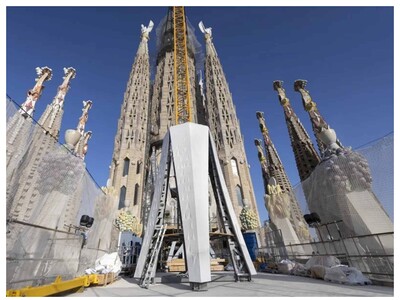
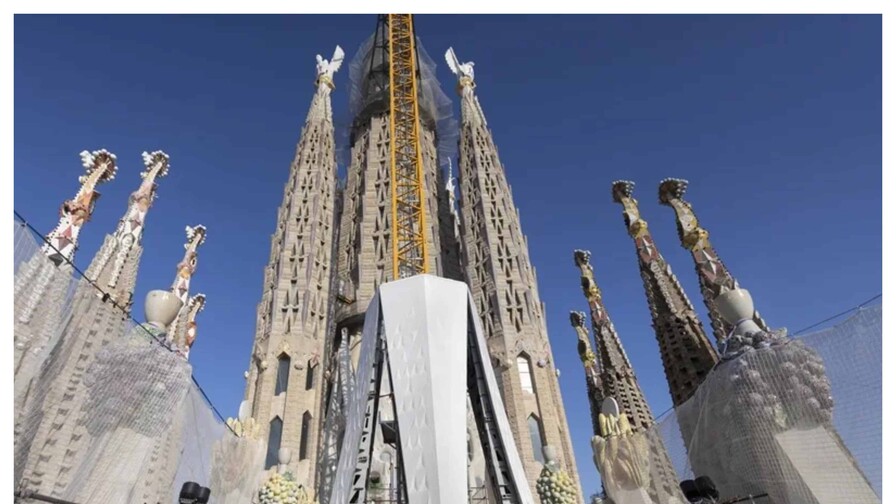
The Sagrada Familia basilica in Barcelona unveiled a new sculpture on Thursday created with contributions from 180 current and former prisoners from jails across Catalonia, in northeastern Spain. The steel artwork combines carved words with colored light and will be on display inside the basilica until December 31.
Laura López, an inmate at the Wad-Ras penitentiary in Barcelona, spoke at the presentation of the piece. She said she was thrilled to take part in something that would stay inside the basilica and remain permanently in their memory, adding that what she could not have done outside prison, she had been able to do while inside.
The project invited inmates to visit the basilica during February and March of this year and to take part in an artistic workshop in which they responded to the question of what the Sagrada Familia awakened in them.
The sculpture on display
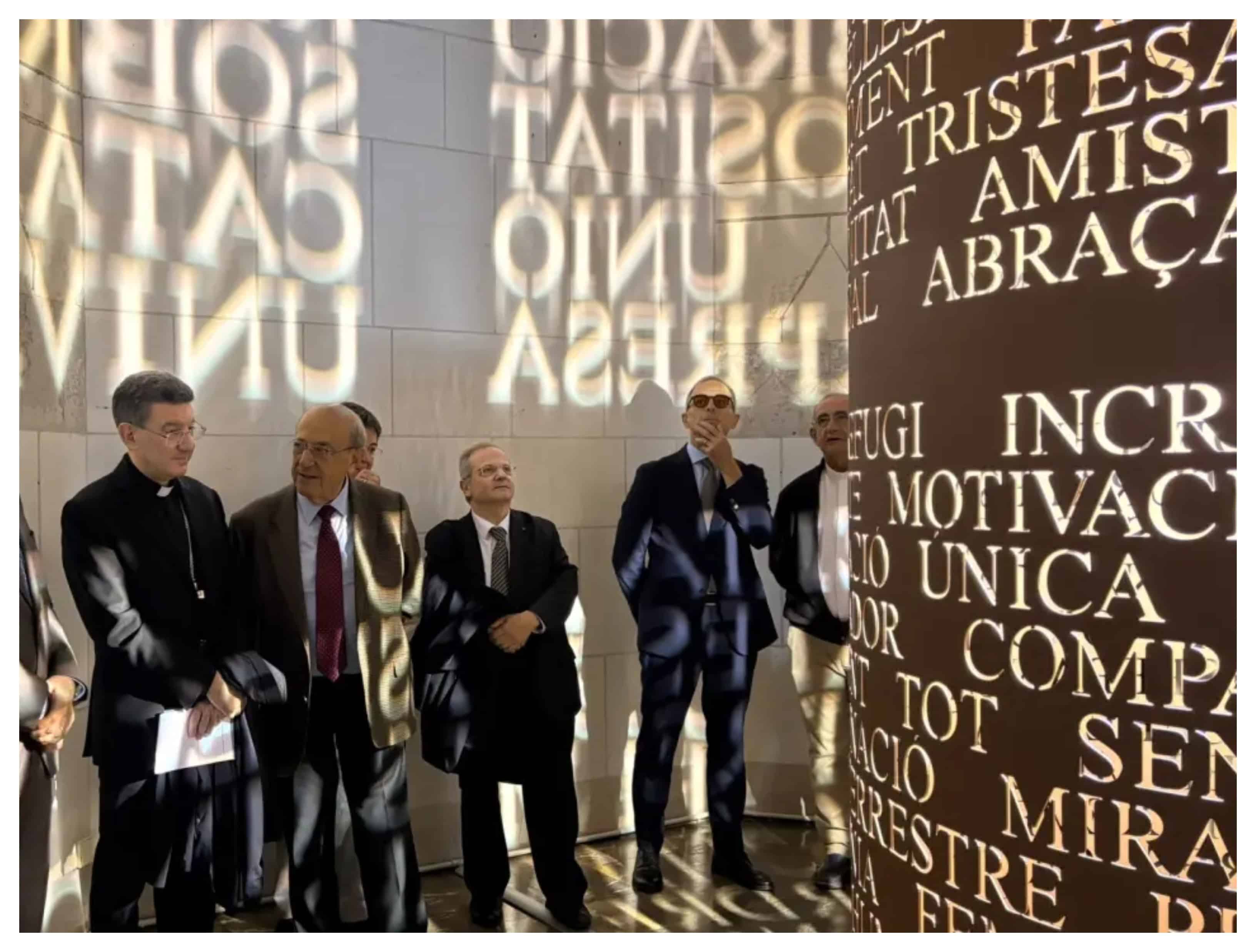
The finished work can now be seen in one of the basilica's chapels. It is a cylindrical steel piece with words carved into its surface, lit from inside by colored light that projects onto the surrounding walls.
López recalled being struck by the color of the piece, saying that it conveyed peace to some and hope to others, with each participant feeling something different. The words came from users of the Fundación Obra Mercedaria, a foundation that works with prisoners and former prisoners, and 168 of their contributions were ultimately chosen for inclusion in the sculpture.
Gaudi's influence on former inmates
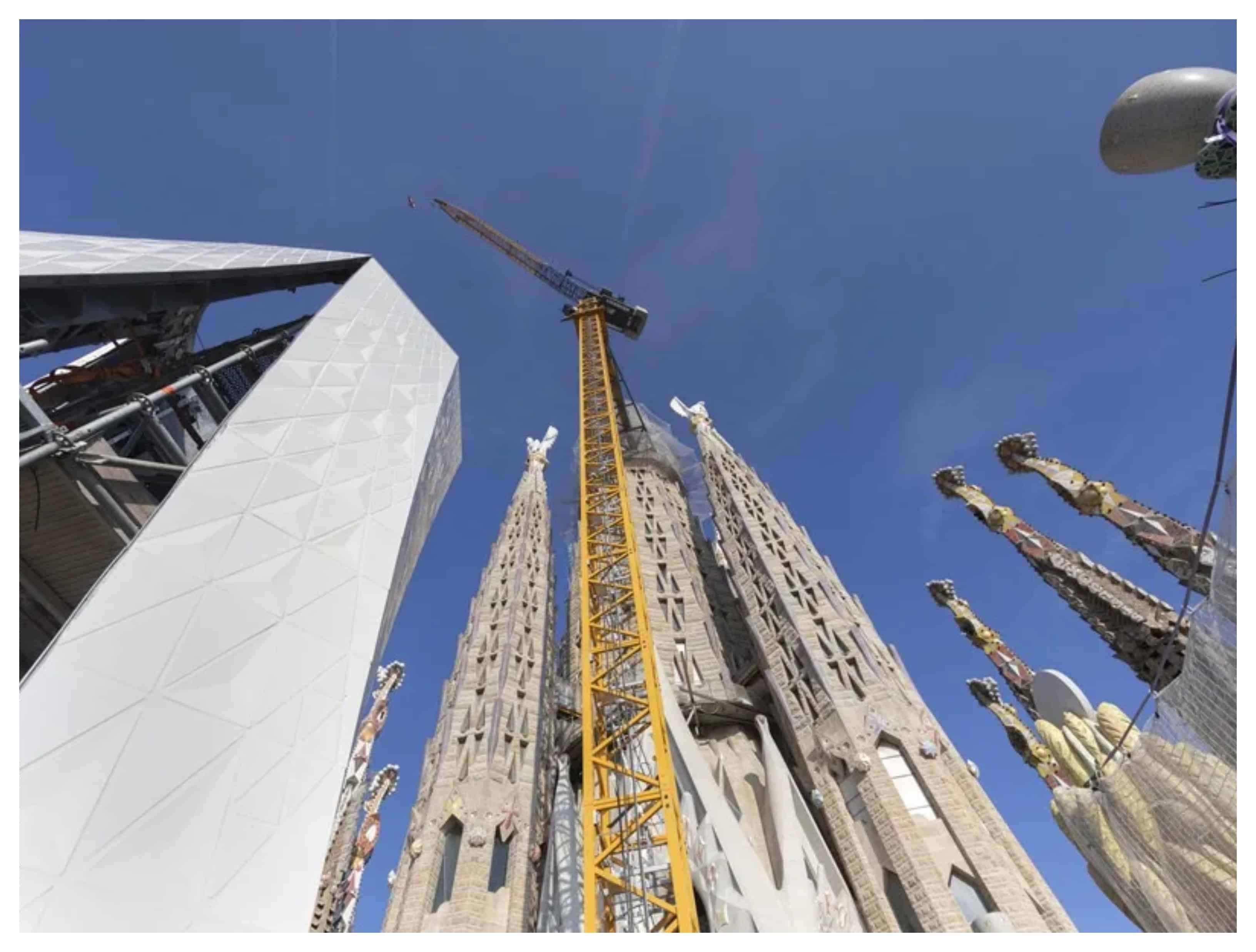
Lluís Bonet, a former inmate who was invited to join the project five days after being granted full release, said that while staying at one of the foundation's shelter homes, seeing the beauty that Antoni Gaudí had created wiped away the problems and bad experiences they had lived through. Gaudí was the Catalan modernist architect who designed the Sagrada Familia and died in 1926. Construction of the basilica, now a UNESCO World Heritage Site, began in 1882 and continues today.
Officials highlight dignity of inmates
Ramon Espadaler, the Catalan regional government's counselor for justice, told reporters that the sculpture is full of light and the intimate reflections of people serving sentences who remain part of society. He said that, as the Pope had recalled during a visit, they hold the same dignity as anyone else and are not defined by the mistakes they may have made.
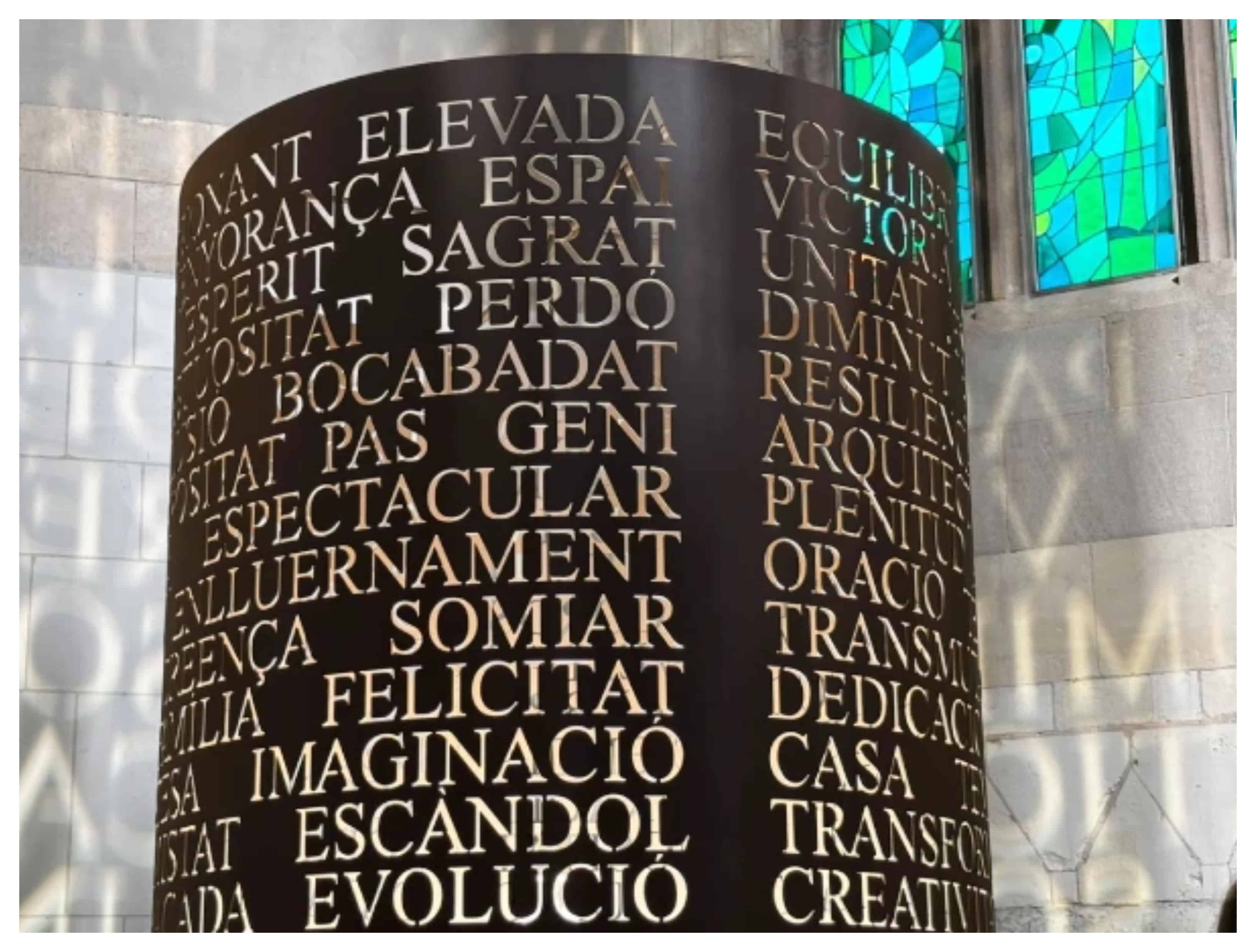
The sculpture is accompanied by an exhibition of the cards on which participants wrote their words, along with an audiovisual display of their testimonies. Both can be visited until the end of the month.