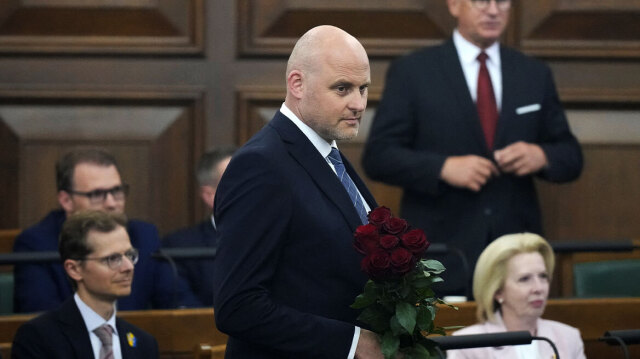
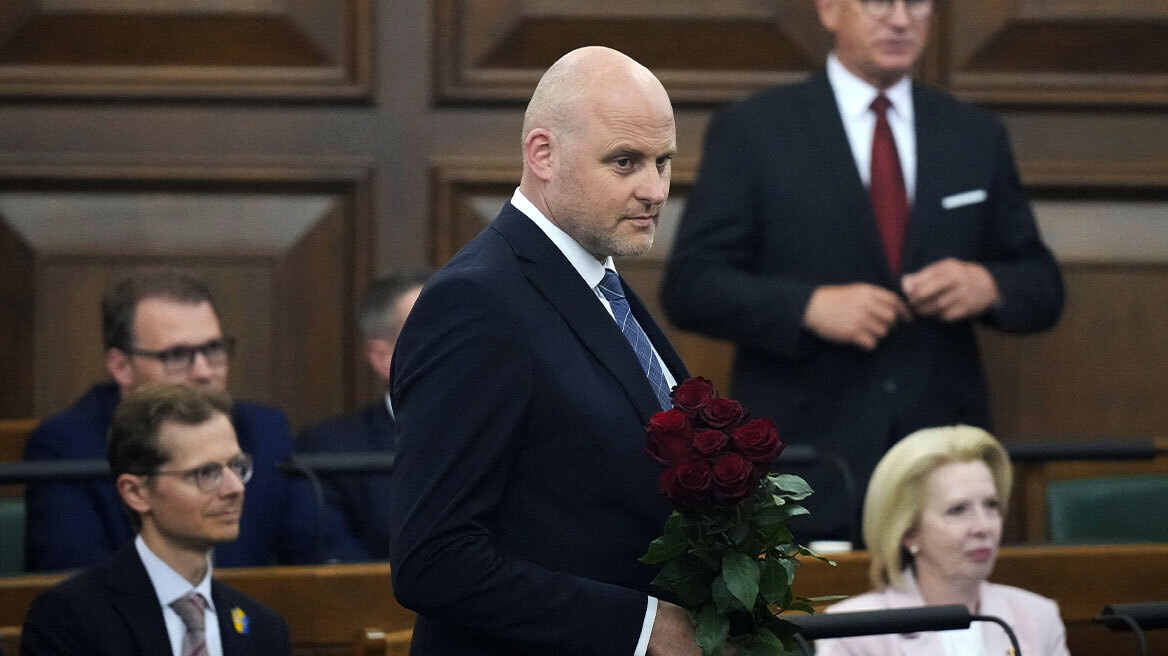
Russia is not in a position to demand concessions from European countries regarding the continent's security, Latvian Prime Minister Andris Kulbergs said in an interview with the French press agency AFP.
His comments came as leaders of the European Union's 27 member states, meeting in Dublin, rejected a push by the Kremlin to revise Europe's security architecture.
Kulbergs said Europe is the military power, adding that it is many times stronger than Russia militarily and economically, as well as in leadership. He said the Russians are not in a position to make demands.
Europe's role in Ukraine negotiations
Europe had pushed for a bigger role in the efforts led by US President Donald Trump to end the war in Ukraine, and the bloc now believes it has secured a seat at the negotiating table. EU leaders named their representatives for the talks on Thursday.
Europe will be represented by Britain, France, Germany, Italy, Poland and the EU's institutions in the coming discussions on Ukraine. Kulbergs described the arrangement as a good decision.
A senior EU official said the question of representation has now been settled, meaning Europe can turn its attention to the substance of negotiations with Russia.
Doubts over Putin's intentions
Despite this, the Latvian prime minister said he does not believe Russian President Vladimir Putin wants peace in Ukraine. His remarks came even as US-mediated talks in Abu Dhabi concluded with an agreement between Moscow and Kyiv on what was described as the largest prisoner exchange to date.
Kulbergs called that exchange a good sign but said it is not enough. He said that if Putin wants real peace, there must be a ceasefire.
Calls for more US pressure
Kulbergs said he believes the United States should put more pressure on Russia to end the war in Ukraine.
He told AFP that the Americans have the strength and could push Russia toward genuine peace negotiations. He said this could be achieved through sanctions against Russia and by supplying Ukraine with what he called real weapons.
Latvia, which borders Russia and shares a Soviet-era history with Moscow, has been one of the most vocal European backers of military and financial support for Ukraine since Russia's full-scale invasion began in 2022.