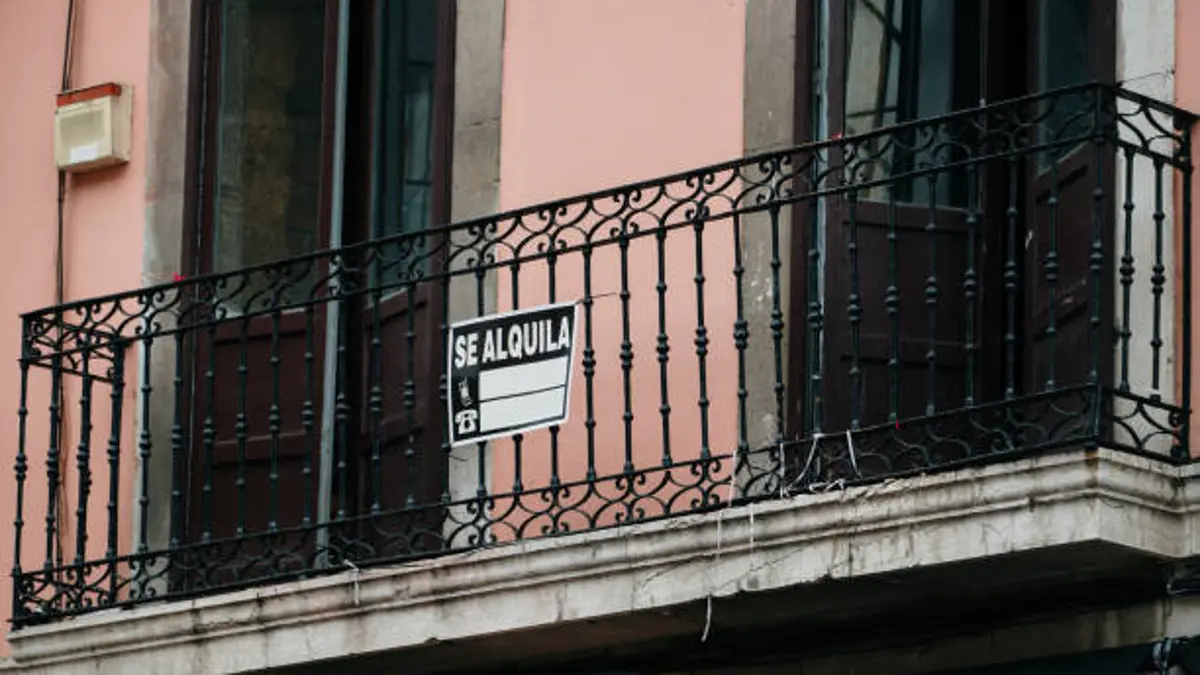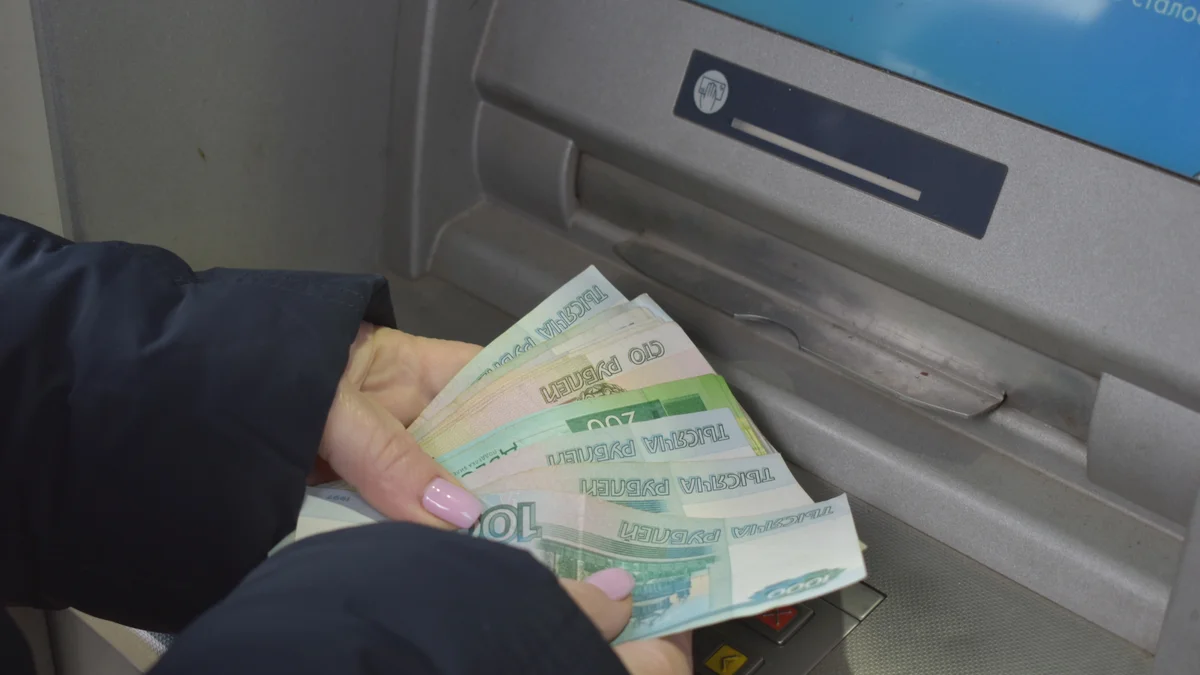
A Spanish inheritance lawyer has warned that withdrawing money from a deceased relative's bank account before formally accepting an inheritance will not help heirs avoid Spain's inheritance tax, and could instead expose them to penalties from the tax authority, Hacienda.
Laura Lobo del Dedo, a lawyer specialising in inheritance and wills, said the practice is widespread among people who expect to inherit but fear they will not have enough cash to cover the tax bill once they do. Many try to empty the deceased's accounts before the death or immediately afterwards, hoping to keep the money outside the taxable estate.
What the law says
Lobo said that approach will not work if the aim is to avoid Spain's Inheritance and Donations Tax. She said the law itself provides for assets that belonged to the deceased during the previous year to be counted as part of the inheritable estate.
She pointed to Article 11.a of Law 29/1987 of 18 December, which sets out this rule. The only exception, she said, is if the assets were transferred by the deceased themselves or ended up in the hands of someone who is not the heir.
As a result, even if a relative withdraws the money before or right after the death, they remain obliged to settle the corresponding taxes. Lobo warned the move can backfire, potentially leaving the heir owing more than they would have paid originally. She said doing so is a mistake and that Hacienda can impose a penalty for it.
The 'free disposal clause' myth
Lobo also dismissed another common workaround: including a so-called "free disposal clause" in a will, intended to let heirs use the deceased's accounts to cover the costs of accepting the inheritance. She said this type of clause, despite its popularity, has no legal standing.
She said all heirs are already entitled to pay inheritance tax using money from the deceased's accounts, simply because the law allows it. That provision exists precisely for successors who lack the liquidity to accept a will but do not want to reject the inheritance outright. Reaching that money, however, requires following a set process.
How to unblock a deceased person's bank account
Banks commonly freeze an account after the holder's death to prevent fraudulent use of the funds or to avoid getting caught between heirs in a dispute. Sheila Galiano Gómez, a lawyer at the firm Galiano Rubio Abogados, said anyone in this situation should seek advice from a professional specialising in succession law.
The bank will typically ask for documentation proving the account holder has died and that the claimants are the rightful heirs. This includes a death certificate, a Certificate of Last Will Acts, and a copy of the will or the Act of Declaration of Heirs. The lawyer handling the case must then give the bank a signed document setting out how the money will be used.
An exception for paying the tax itself
Banks normally also require proof that inheritance tax has already been paid, known as Modelo 650, or a certificate of exemption, before releasing funds. But the law makes an exception when the money is needed to pay that same tax.
Article 8 of the Inheritance and Donations Tax Law authorises banks to hand over the amount required to settle the tax without heirs first having to present that payment certificate.
Lobo, who posts legal advice on her Instagram account @lauraloboabogada, said there is no legal way to avoid settling inheritance tax. She said the law is designed so that people pay it. She said the priority for anyone facing this situation should be finding a specialist who can advise on the best way to cover the cost, rather than rejecting an inheritance simply because of the expense.