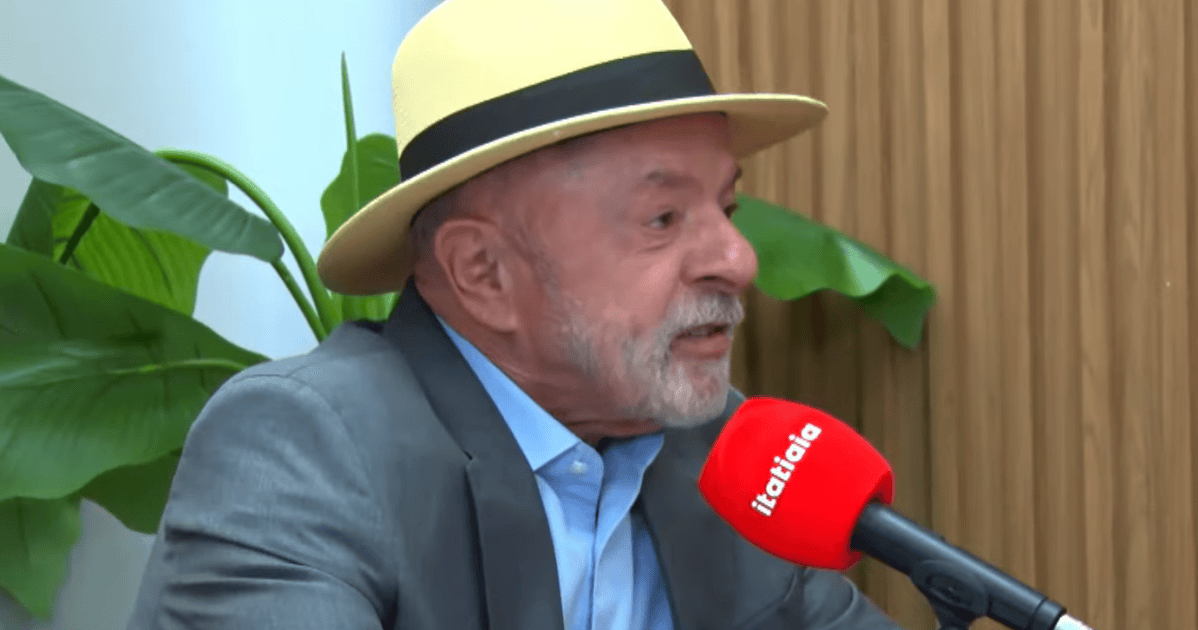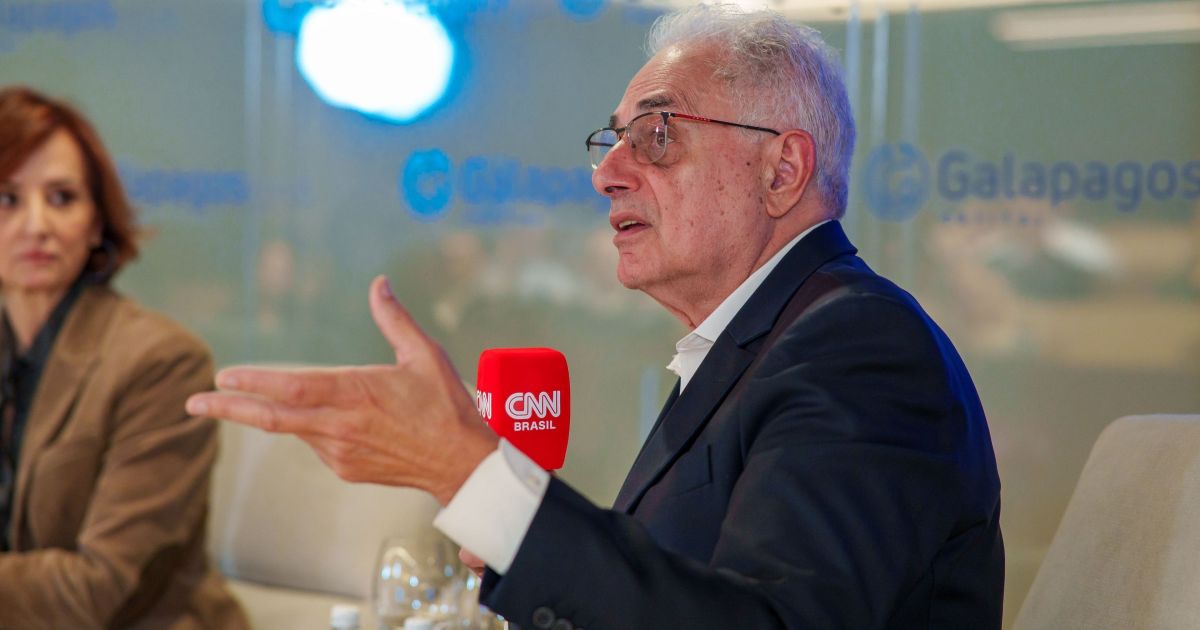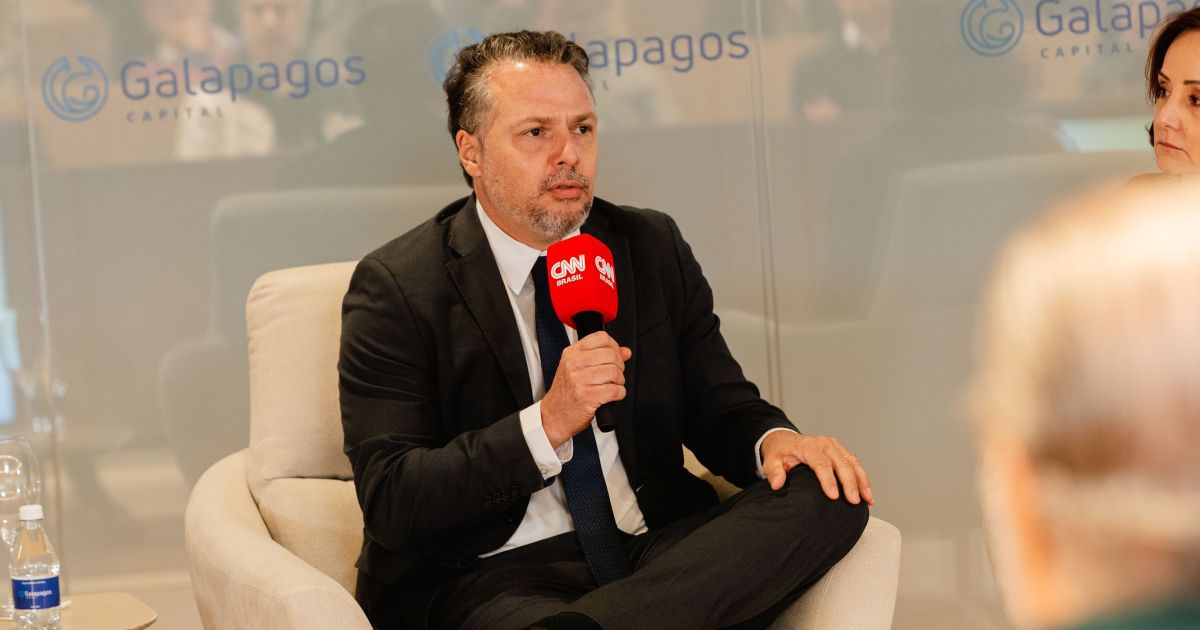
Brazilian President Luiz Inácio Lula da Silva is expected to pursue a middle-ground economic policy during his fourth term, CNN Brasil political analyst Caio Junqueira said in São Paulo on 9 November.
Speaking at the WW Talks forum, Junqueira assessed that the Workers' Party leader will neither fully repeat the economic strategies of his earliest administrations nor introduce deep changes to economic policy. Instead, the analyst said the president is likely to focus on raising government revenue while preserving social programs.
Junqueira made the assessment during a discussion hosted by CNN Brasil in partnership with Galapagos Capital and Eurasia Group on the outlook for Lula's fourth administration. According to the analyst, the president tends to maintain confidence in the strategy that led him to win four presidential elections, which shapes his resistance to suggested changes.
Junqueira said that in Lula's mind, those who suggest he act differently were not with him across those four presidential campaigns. As a result, the analyst explained, the president remains convinced that his established political and economic approach is the path he should continue to follow.
Fiscal framework and revenue adjustments
On economic management, Junqueira said he expects adjustments to Brazil's fiscal framework, which was approved in 2023, alongside measures to expand federal tax collection without cutting social policies. He predicted the government would seek to curb spending growth mainly from the revenue side.
The analyst said he would bet on a middle path in the economy, with adjustments inside the fiscal framework designed to contain expenditure growth by increasing revenue to a lesser or greater degree. He described this strategy as a revenue-led adjustment offering nothing new.
Lula, a co-founder of the left-wing Workers' Party, known in Brazil as the Partido dos Trabalhadores or PT, previously served two consecutive terms from 2003 to 2010 before returning to office in 2023. During the first year of his third term, Brazil's National Congress approved the 2023 fiscal framework to replace a stricter constitutional spending cap enacted in 2016. The rule ties permitted real spending growth to revenue performance while setting annual primary budget targets.
Comparisons with past Workers' Party governments
Junqueira also assessed that the fourth term will repeat neither the first Lula administration nor the second government of former President Dilma Rousseff, who also belonged to the Workers' Party. Both periods represent distinct economic models in the party's governing history.
He noted that he does not foresee either a second Rousseff administration or a first-term Lula administration taking shape in the fourth term. Instead, Junqueira said he believes Lula will try to govern without cutting social programs or altering the minimum wage and the constitutional spending floors for health and education, seeking adjustments through other channels.
During his first term starting in 2003, Lula combined orthodox macroeconomic policies and high primary budget surpluses with the expansion of flagship social welfare programs. By contrast, Rousseff's second term, which began in 2015 and ended with her impeachment in 2016, was marked by a deep recession and sharp fiscal austerity. Under Brazilian law, the minimum wage indexes federal pension benefits, while health and education budgets are protected by mandatory minimum shares of government revenue.
Pace of decisions and the WW Talks forum
The analyst also commented on the president's lack of haste in defining the country's future direction. In Junqueira's evaluation, that posture may represent a reaction against political and economic actors who backed the opposing candidacy in the election. He remarked that he views the lack of urgency less as arrogance and perhaps more as payback against those who bet on Lula's rival.
WW Talks is a series of monthly meetings promoted by CNN Brasil in partnership with the investment firm Galapagos Capital and the political risk consultancy Eurasia Group. The initiative seeks to deepen analysis of the trends shaping Brazil and the world by bringing together different perspectives on national and global political and economic decisions.