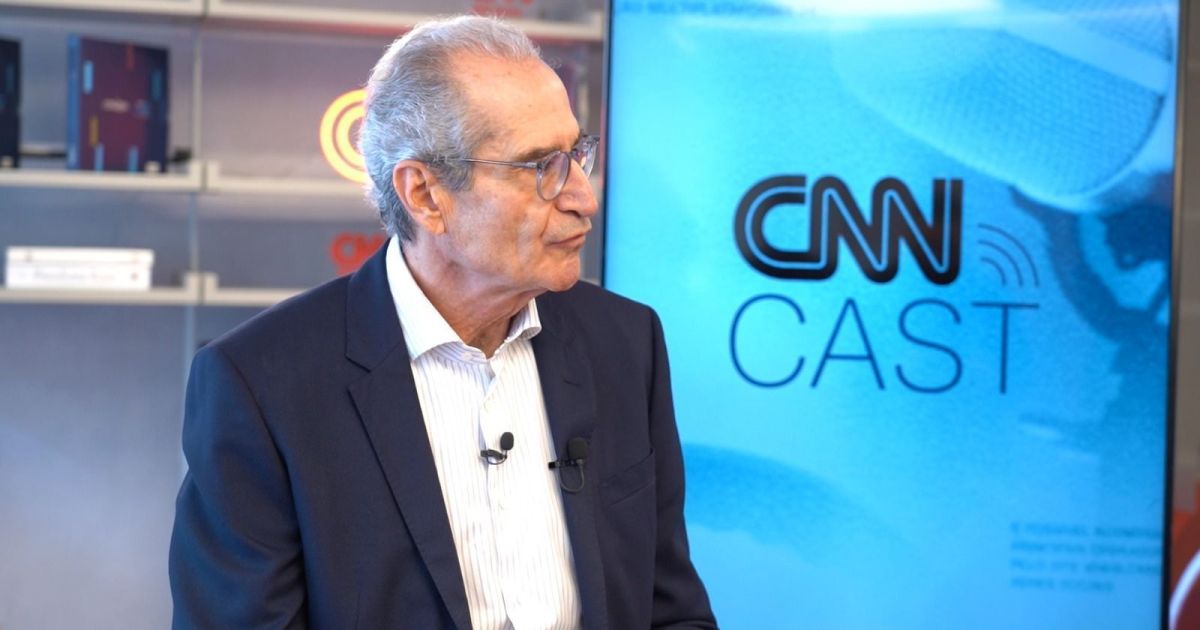
Neon Chief Executive Officer Fernando Miranda said customers of the Brazilian fintech have redirected money from banned online betting platforms toward other consumer needs.
Speaking on the CNN Brasil business program É Negócio, Miranda also challenged the idea that banks benefit from high interest rates. He said an elevated Selic rate increases loan defaults and reduces demand for credit.
Miranda said Neon had tracked a significant share of instant transfers made through Brazil's Pix payment system that were going to online betting platforms, known locally as bets. After restrictions were placed on those sites, overall customer transaction volumes held steady, with funds flowing into other consumer segments instead.
The executive concluded that the shift showed a genuine and positive change toward other everyday needs for Brazilian consumers.
Pix transfers and digital banking in Brazil
Neon is a Brazilian digital financial institution that offers checking accounts, payment services and credit products to consumers and businesses. In Brazil, online sports wagering and gaming platforms are commonly called bets, while most everyday electronic transfers run through Pix, the Central Bank of Brazil's instant payment network.
Because Pix processes electronic transfers in real time at no cost to individual users, digital banks and fintech companies can closely observe shifts in how Brazilian account holders allocate their money across different sectors of the economy.
Miranda discussed those consumer trends in an interview with journalist Carlos Sambrana on É Negócio, a weekly television program aired on CNN Brasil and CNN Money that is produced in partnership with business news outlet NeoFeed and features leaders from Brazil's largest companies.
Impact of the Selic rate on loan defaults
During the interview, Miranda described the belief that bankers welcome high interest rates as a fallacy. According to the executive, a higher Selic rate increases funding costs for financial institutions, which must pass that expense on to customers through steeper borrowing rates.
The Selic rate is the benchmark interest rate of the Brazilian economy, set by the Central Bank of Brazil to control inflation and guide borrowing costs nationwide. When the rate rises, credit becomes more expensive for households and businesses.
Miranda cited historical data from the past eight to nine years to point out the connection between interest rate hikes and rising late payments. He stated that it was striking how roughly six months after the Selic rate goes up, default rates across the market also rise.
Beyond the risk of defaults, elevated interest rates reduce consumers' ability to pay their bills and lower the demand for credit. In Miranda's assessment, that environment hurts both customers and the financial institutions themselves.
Brazilian financial sector outlook for 2027
Commenting on the outlook for 2027, Miranda expressed optimism about the company's prospects while emphasizing that the Brazilian financial sector still faces challenges ahead. He pointed to loan defaults, household debt levels, inflation and interest rate fluctuations as key areas of concern for lenders.
Despite those uncertainties, Miranda assessed that the market should emerge from the period in a more mature position. He declared that the sector would navigate an uncertain 2027, but would come out of it much more mature both as an industry and as a financial institution.