

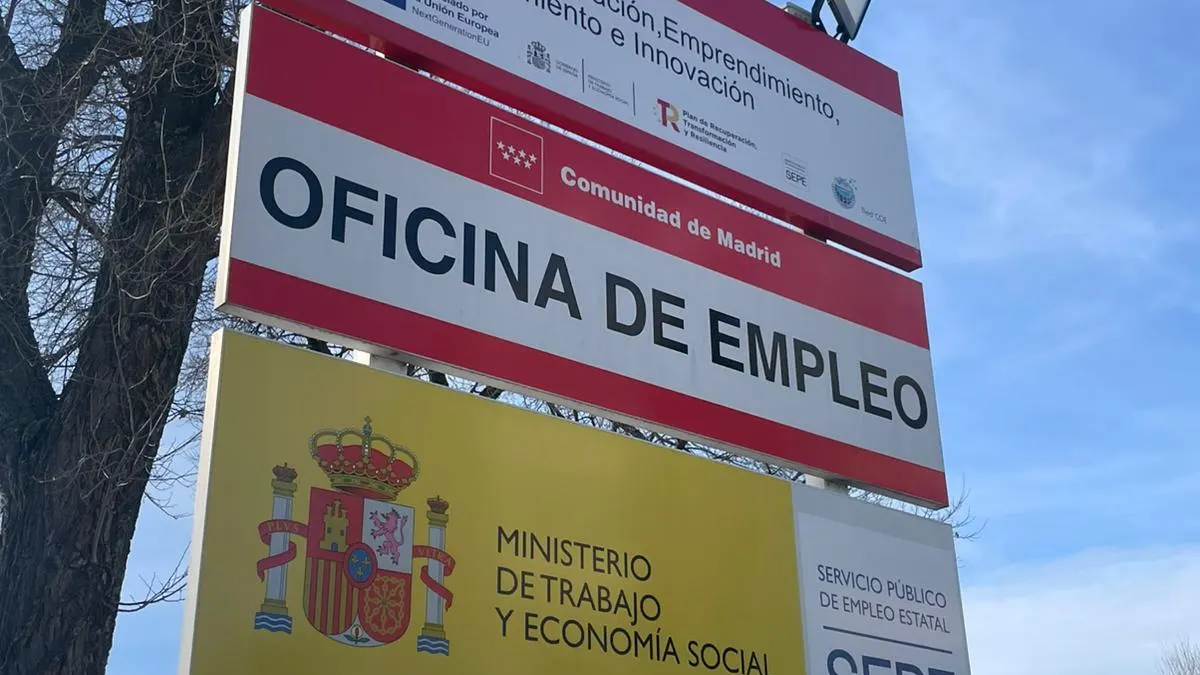
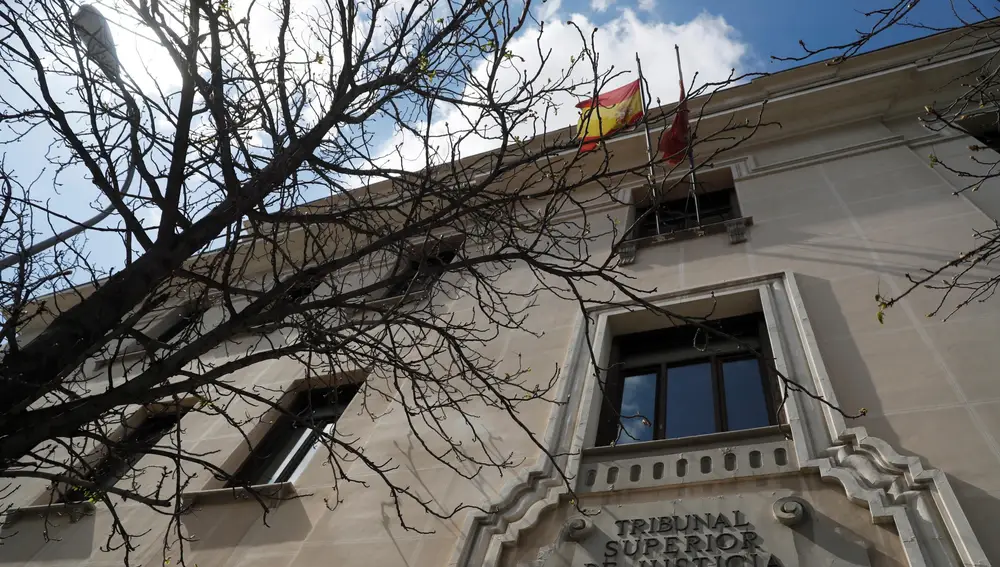
The High Court of Justice of Madrid has ordered a woman to repay 5,168 euros in benefits to Spain's public employment service.
The Social Chamber of the regional tribunal confirmed a lower court decision backing the recovery demand after officials determined that her household income exceeded legal thresholds.
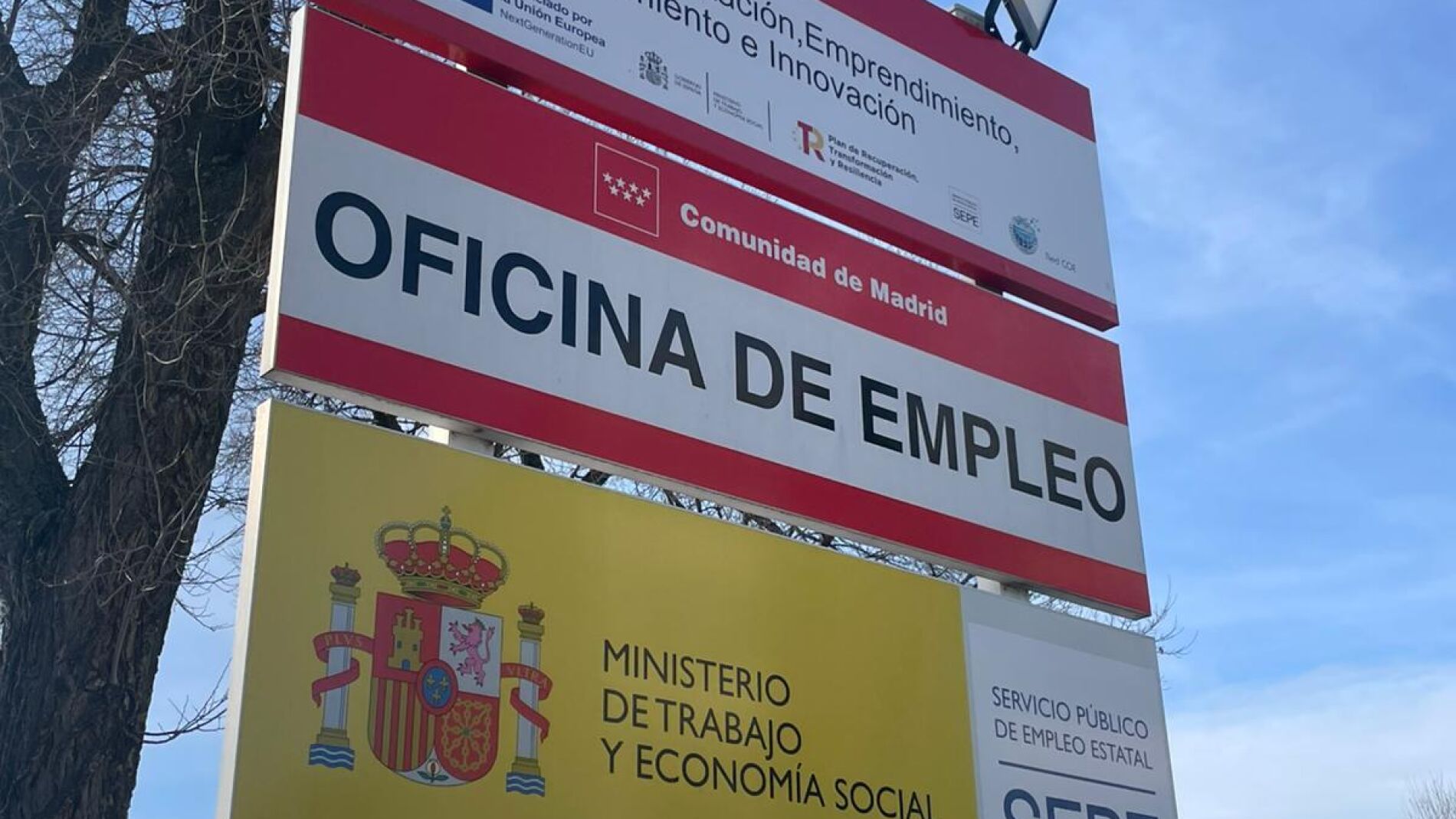
The beneficiary originally applied for the assistance program on March 7, 2023, and the State Public Employment Service approved her application the following day.
The State Public Employment Service, known as SEPE, is an autonomous agency of the Spanish government responsible for managing employment assistance, training programs, and unemployment benefits. Its Active Insertion Income program provides monthly aid to long-term unemployed individuals who face severe economic hardship and have exhausted standard benefit entitlements.
In February 2024, SEPE notified the woman of a proposed revocation of her subsidy. Agency checks revealed that her family unit income, divided by the number of household members, exceeded 75 percent of Spain's statutory minimum interprofessional wage during 2023.
Spain's minimum interprofessional wage serves as the national baseline for wages and acts as a key reference point for calculating eligibility thresholds across state welfare programs.
Income limits and repayment demand
Following the review, SEPE formally declared in March 2024 that the benefits had been improperly received. The agency determined that arguments submitted by the beneficiary did not refute the financial calculations and ordered her to return 5,168 euros.
The repayment sum corresponds to all payments issued to the woman between March 8, 2023, and January 30, 2024, during which her household failed to satisfy income limits.
The woman challenged the administrative clawback in court, but Social Court Number 6 of Madrid dismissed her lawsuit in July 2025. She subsequently filed an appeal for review before the High Court of Justice of Madrid.
Legal defense and European human rights doctrine
In her appeal, the woman argued that the employment service was retroactively reviewing a benefit that had already been granted. Her defense contended that demanding full repayment created a disproportionate financial burden for her household.
To support her case, her legal team cited the Cakarevic doctrine established by the European Court of Human Rights. The Strasbourg court rules on compliance with the European Convention on Human Rights, and its Cakarevic precedent established that ordering recipients to return public benefits received in good faith can violate property rights if the repayment places an excessive individual burden on the beneficiary, particularly when benefits cover basic living needs.
Court ruling and appeal options
The Social Chamber of the High Court of Justice of Madrid rejected the defense arguments in Judgment 187/2026, issued on March 17. The court ruled that beneficiaries have no legitimate expectation to retain public aid if they fail to meet statutory eligibility requirements throughout the entire payment period.
Magistrates noted that there was no record of the woman informing SEPE of her family income when she applied in March 2023. The court found that the administration had not committed an initial processing error, but had lawfully uncovered the income violation during a routine annual check. The tribunal added that the defense failed to submit financial documentation showing her current economic status, making it impossible to establish that repayment imposed an excessive burden.
The court concluded that the agency claim complied with Spanish law and declined to award court costs. The ruling remains subject to a potential appeal for the unification of doctrine before the Spanish Supreme Court.


