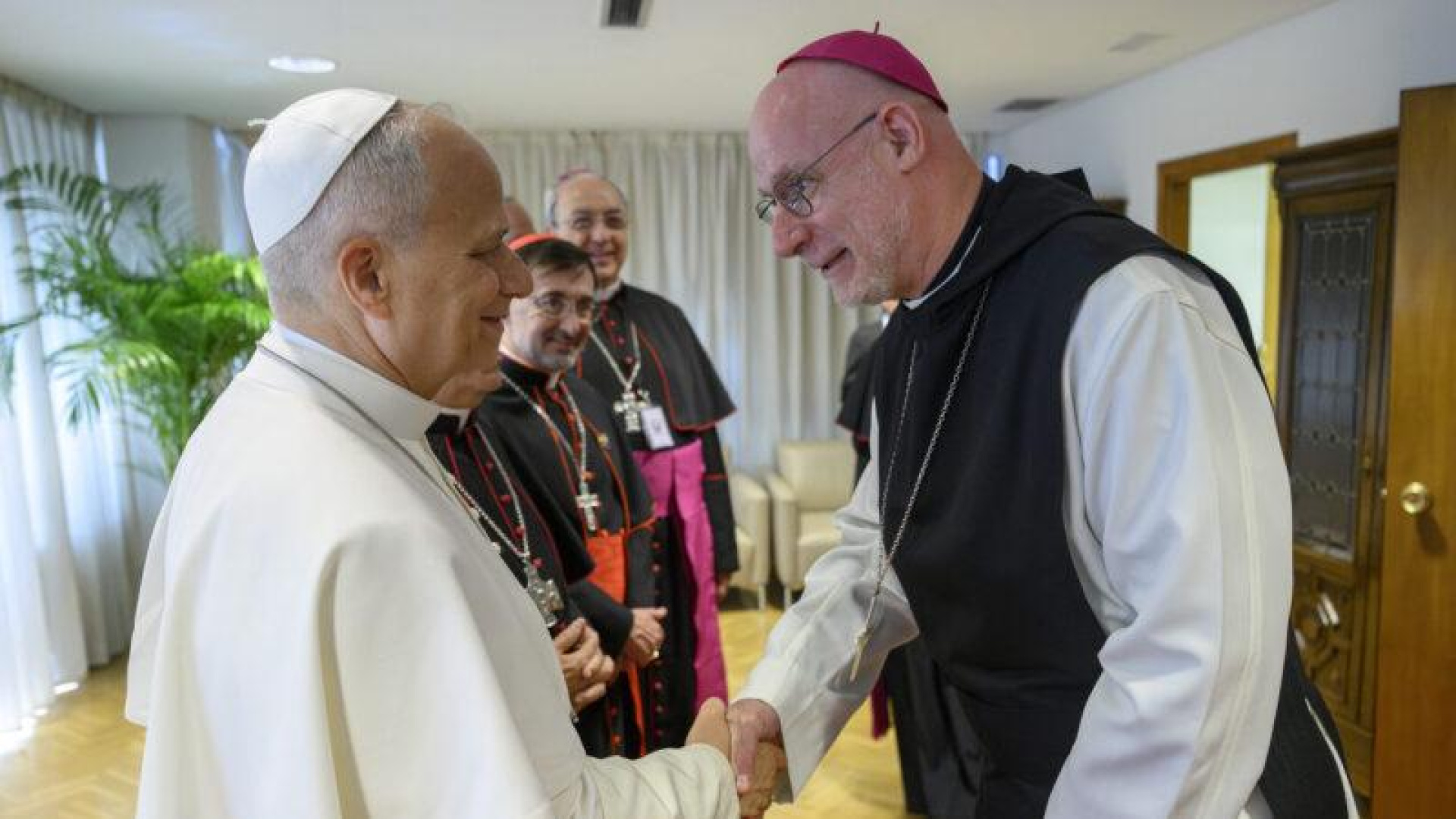
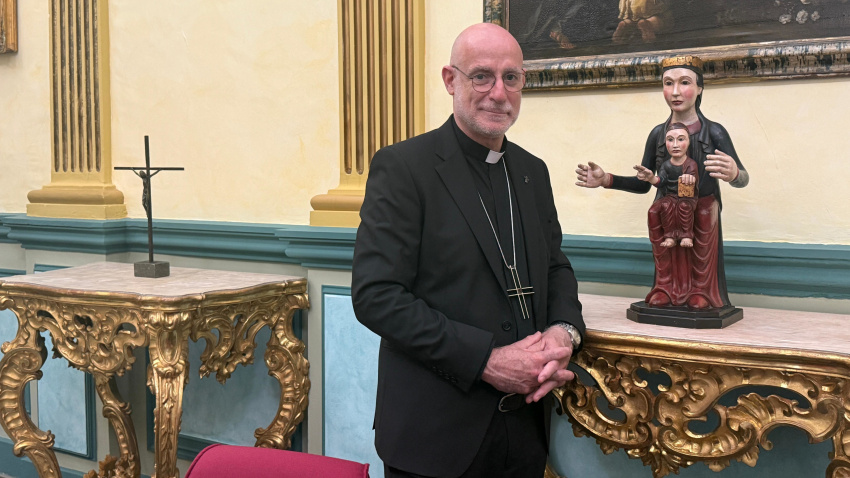
Pope Leo XIV has appointed Octavi Vilà, until now Bishop of Girona, as the new Archbishop of Barcelona, Vilà said on the Spanish Catholic radio programme La Linterna de la Iglesia. He will keep leading the Girona diocese until 19 December, and until then Cardinal Juan José Omella remains "in full exercise of his functions" in Barcelona, Vilà said.
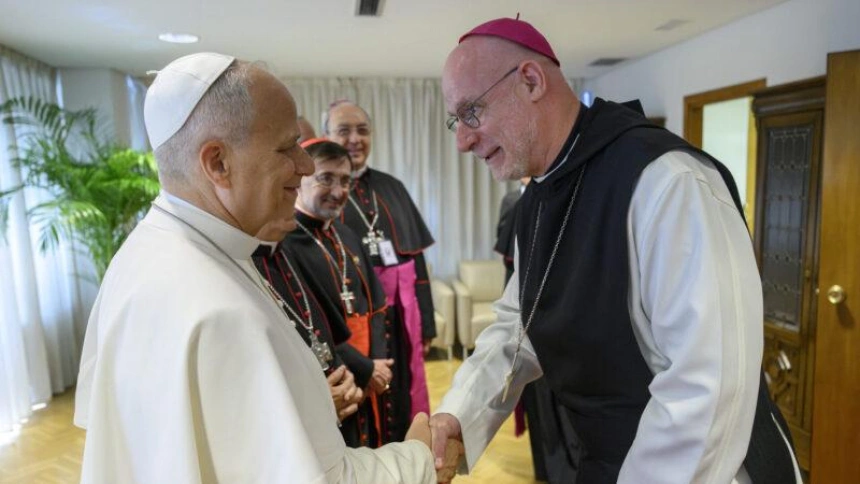
Vilà said weeks of press speculation preceded the official announcement, a period he called "a bit uncomfortable." He said he had not found it comfortable at all, because once a digital outlet put his name forward, attention centred on one specific person, which he said caused unease among priests in Girona over the possibility of being left without a bishop "when truly nothing was confirmed."
How the appointment unfolded
Official confirmation came on Saturday, 24 October, Vilà said. He said he was presiding over the Eucharist in Banyoles when, on leaving the service, he saw a WhatsApp message from the papal nuncio asking him to call back. A formal interview followed at the Nunciature in Madrid, which he described as bringing together "a sum of all these sensations." He said he felt a very deep sense of communion while praying in the same chapel where the Pope had prayed during his visit to Spain.
From a monastery to the mitre
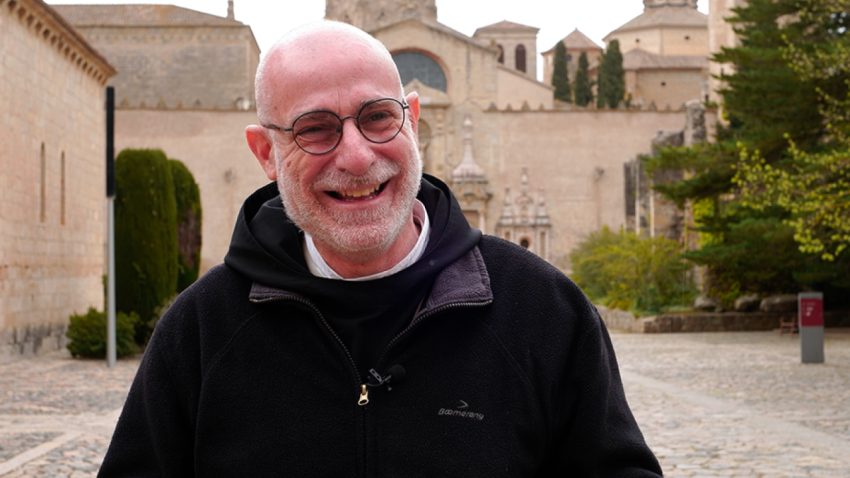
Vilà said he never imagined he would end up archbishop of "one of the most important dioceses in Europe." In 2005 he decided to enter the Cistercian monastery of Poblet, in Catalonia, leaving behind a stable job and a home of his own. He said the decision to enter the monastery was not easy, because at that moment "you practically risk everything for the Lord."
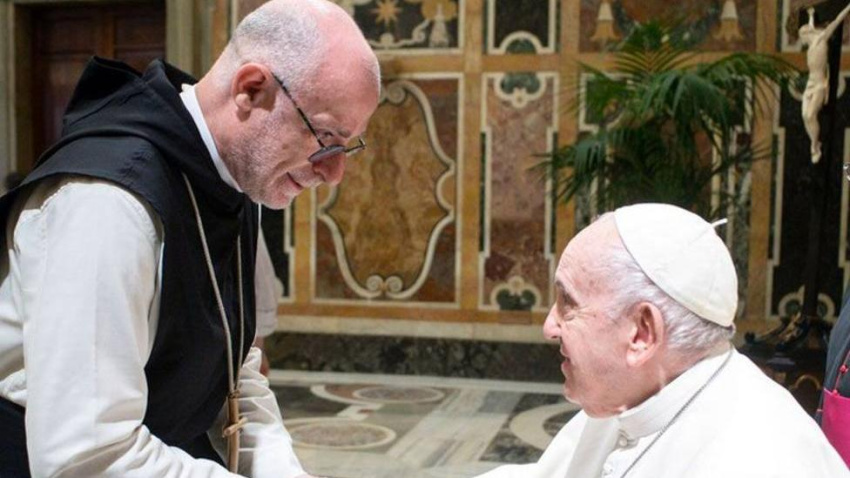
Asked why he believes Pope Leo XIV chose him, Vilà said he was surprised himself. He said the question would have to be put to the Pope, because the choice left him quite surprised, adding that when he was consulted early in the summer about possible candidates, he had other names in mind with "more values and more resources to face this task."
Vilà said the real turning point in his life was not this appointment but the moment Pope Francis named him Bishop of Girona. He said that was the substantial change, one that took him more than a few minutes or hours to reflect on before accepting, calling it "a very radical change of life."
Priorities in Barcelona and Girona's future
On his plans for the Archdiocese of Barcelona, one of Spain's largest, Vilà said his first step would be to listen and to see how the diocese works. He praised the work of his predecessor, Cardinal Omella, and his team of auxiliary bishops, saying he needed to get to know the diocese more thoroughly before planning future activities.
He also said he hoped the Vatican would name his successor in Girona soon, so that the process would be considerably shorter than the one that led to his own appointment. He recalled that the Girona diocese suffered a period of paralysis because of the illness and subsequent death of his predecessor there, Francesc Pardo, and said it was important not to lose momentum now that enthusiasm had returned.
The "Catalanist" label
Asked about being described as "Catalanist," Vilà said he identified with the term if it meant loving one's own land and diocese, but not as a political stance. He said the Church holds no political positions and that his role is to defend "the great values of our faith," such as respect for life and human dignity.
He said he does not identify with any political faction and called for recovering the spirit of broad consensus that he said characterised Spain's Transition to democracy in the late 1970s, a spirit he said has largely been lost in recent years.
Vilà closed the interview by sharing his fondness for basketball, in particular for Joventut de Badalona, the Catalan club that won major European titles in the 1990s, and asked listeners to keep him in their prayers.