A social media trend called "pheromone-maxxing" has gone viral among young men in recent months, built on the belief that intensifying natural body odour can increase sexual attractiveness through the supposed action of pheromones.
According to Hospital Capilar, men following the trend reduce or eliminate certain hygiene habits, such as showering, using deodorant or wearing perfume, in an attempt to preserve the body's natural secretions and avoid interfering with their presumed effect on other people.
Dr Raquel Amaro Silva of Hospital Capilar said the trend lacks scientific evidence to support its supposed benefits. She added that abandoning proper hygiene can trigger or worsen various dermatological problems.
Does skipping shampoo really help?
Amaro said there is no solid scientific evidence that reducing body or scalp hygiene increases sexual attractiveness through pheromones. She explained that pheromones are chemical substances involved in communication between individuals of the same species, and their role is well established in many animals. In humans, however, no sexual pheromone capable of reliably triggering attraction has been conclusively identified.
Body odour can influence how people perceive one another and shape personal preferences, Amaro said, but that does not mean a stronger smell makes someone more attractive. The body's characteristic odour largely comes from bacteria on the skin breaking down components of sweat and other secretions. Going without washing does not boost pheromones, she said, but instead allows secretions to build up and encourages the compounds responsible for bad smells.
What happens to the scalp
The scalp is especially rich in sebaceous glands, which produce sebum to protect and lubricate the skin. When washes are spaced out too much, Amaro said, this secretion keeps building on the skin's surface and along the hair shaft, mixing with sweat, dead cells and leftover cosmetic products.
This build-up can alter conditions on the scalp and encourage certain microorganisms to multiply, she said, leaving hair looking greasier, flatter and with less volume, as well as producing an unpleasant smell as those microorganisms break down the skin's secretions.
As a result, symptoms such as itching, flaking, irritation, excess oil or bad odour can appear, and existing conditions such as seborrheic dermatitis can worsen.
Myth of a scalp that "adjusts"
Amaro said it is important to dismiss the idea that the scalp can get used to not being washed and respond by producing less oil. Sebum production is governed mainly by hormonal and genetic factors, she said, and does not fall simply because washes are spaced further apart.
Possible adverse effects linked to trends like pheromone-maxxing include altered conditions on the scalp surface, seborrheic dermatitis, folliculitis, an indirect increase in hair loss and the worsening of certain inflammatory scalp conditions, according to Hospital Capilar.
What doctors recommend instead
Amaro's main recommendation is not to change hygiene habits based on trends that go viral on social media, particularly when they promise benefits that science does not support. The scalp is skin, she said, and needs proper care to maintain its protective function and prevent dermatological problems.
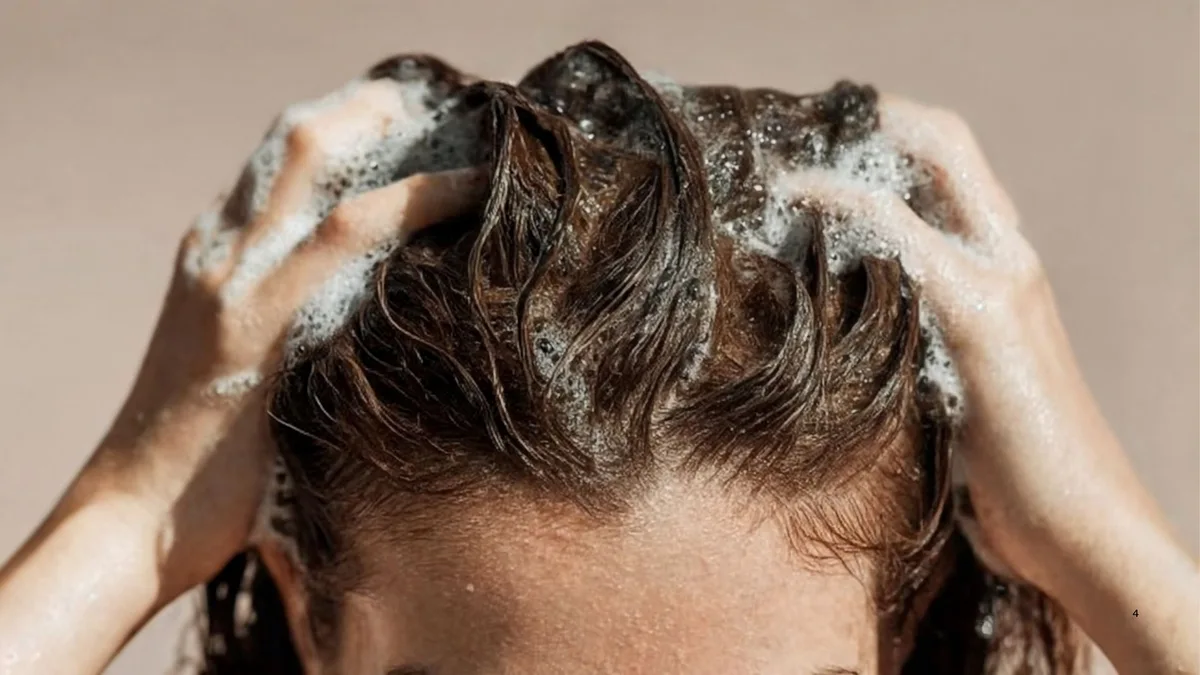
Correct hair care, according to Amaro, means washing as often as each person's scalp requires, using a shampoo suited to that person's scalp, preferably using lukewarm water, massaging gently with the fingertips and rinsing products thoroughly to avoid leaving residue. She also advised against the indiscriminate use of home remedies such as baking soda or vinegar.
Amaro concluded that washing hair every day does not cause baldness, and skipping washes does not make hair healthier or more attractive. The key, she said, is maintaining hygiene that is adequate, individualised and based on medical criteria rather than passing trends.
Test yourself
What do followers of the pheromone-maxxing trend believe?
According to Dr Raquel Amaro Silva, what has not been conclusively identified in humans?
What can happen to the scalp when washes are spaced out too much, according to the article?