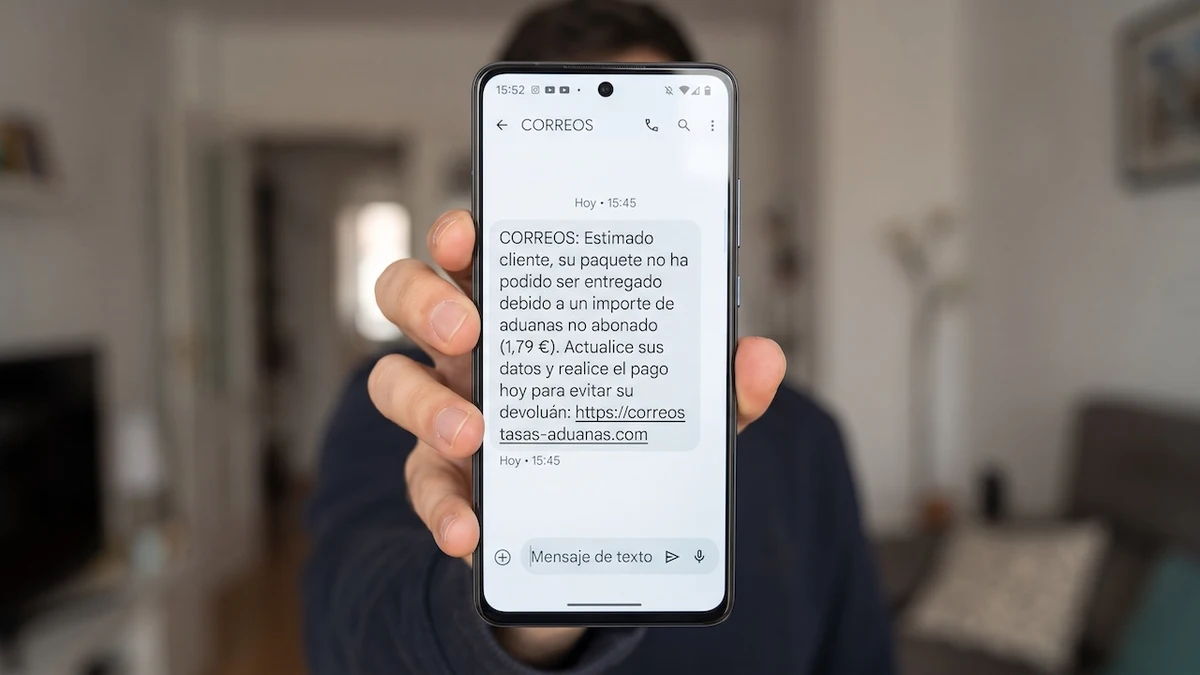
Spain's National Police dismantled a criminal network of 43 people accused of defrauding more than 1.14 million euros from over 130 victims, most of them over 65, using a fraud technique known as spoofing, in which criminals disguise themselves as a trusted sender such as a bank.
The fraudulent text messages appeared in the same conversation thread as genuine messages from the victims' bank. After the texts arrived, the criminals called victims posing as staff from the bank's anti-fraud department.
What is spoofing?
Spoofing comes from the English word meaning to deceive or parody. In cybersecurity, it means falsifying the identity of whoever sends a call, text, email or webpage, so that it looks like it comes from a real, trusted source, such as a bank.
Spoofing is the impersonation technique itself, not the scam. Phishing (by email), smishing (by text) and vishing (by phone call) are the scams that rely on it, in the same way spoofing is the tool and the others are the channels through which it is used.
How the phone scam works
Two variants usually appear together. In number spoofing, criminals use internet telephony services to make a real bank's number, or even its saved name, appear on the victim's screen, so the call looks completely legitimate.
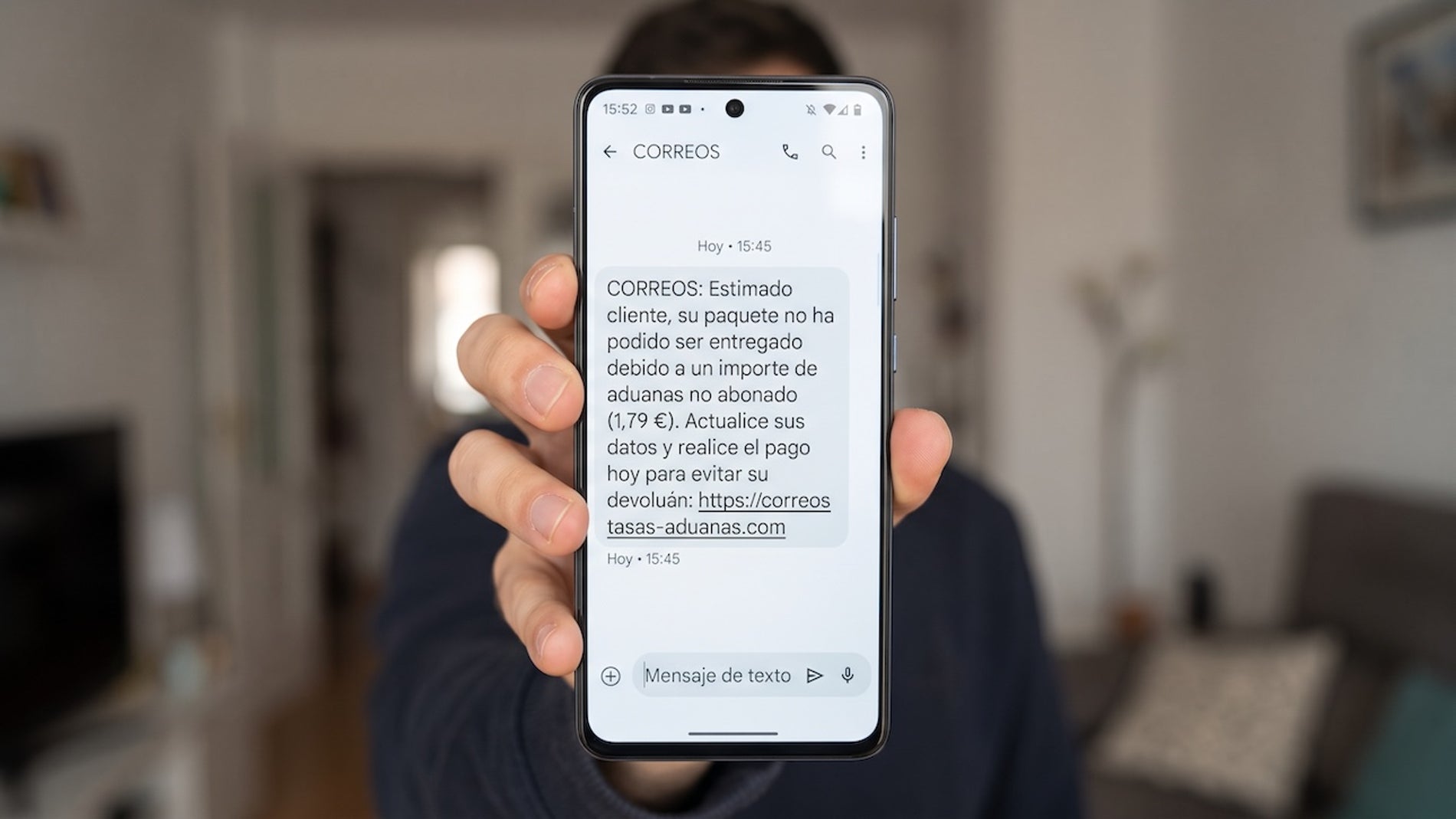
In SMS spoofing, messages show a sender name, known as an alias, rather than a number. Until recently, anyone sending a mass text could write whatever alias they wanted. Because phones group messages by sender name, the fake text lands in the same thread as real purchase or transfer alerts from the bank.
The script tends to repeat: first an alarming text warns of a suspicious charge or unauthorized access, then a call follows from someone claiming to work in the bank's security department, who already knows the victim's name and some account details. The caller, acting urgently, asks for a code just sent by text, asks the victim to move money into a "safe account", to install an app, or to share their phone screen.
In the case of the 43 suspects, some victims were told to delete their bank's app, install a fake one, and tap their card against the phone so their card details could be copied and used to pay.
Since telecom operators began blocking foreign calls disguised as Spanish numbers, many scammers switched tactics and now call with a visible international code instead, such as the 212 prefix, which has flooded phones across Spain.
Email and website spoofing
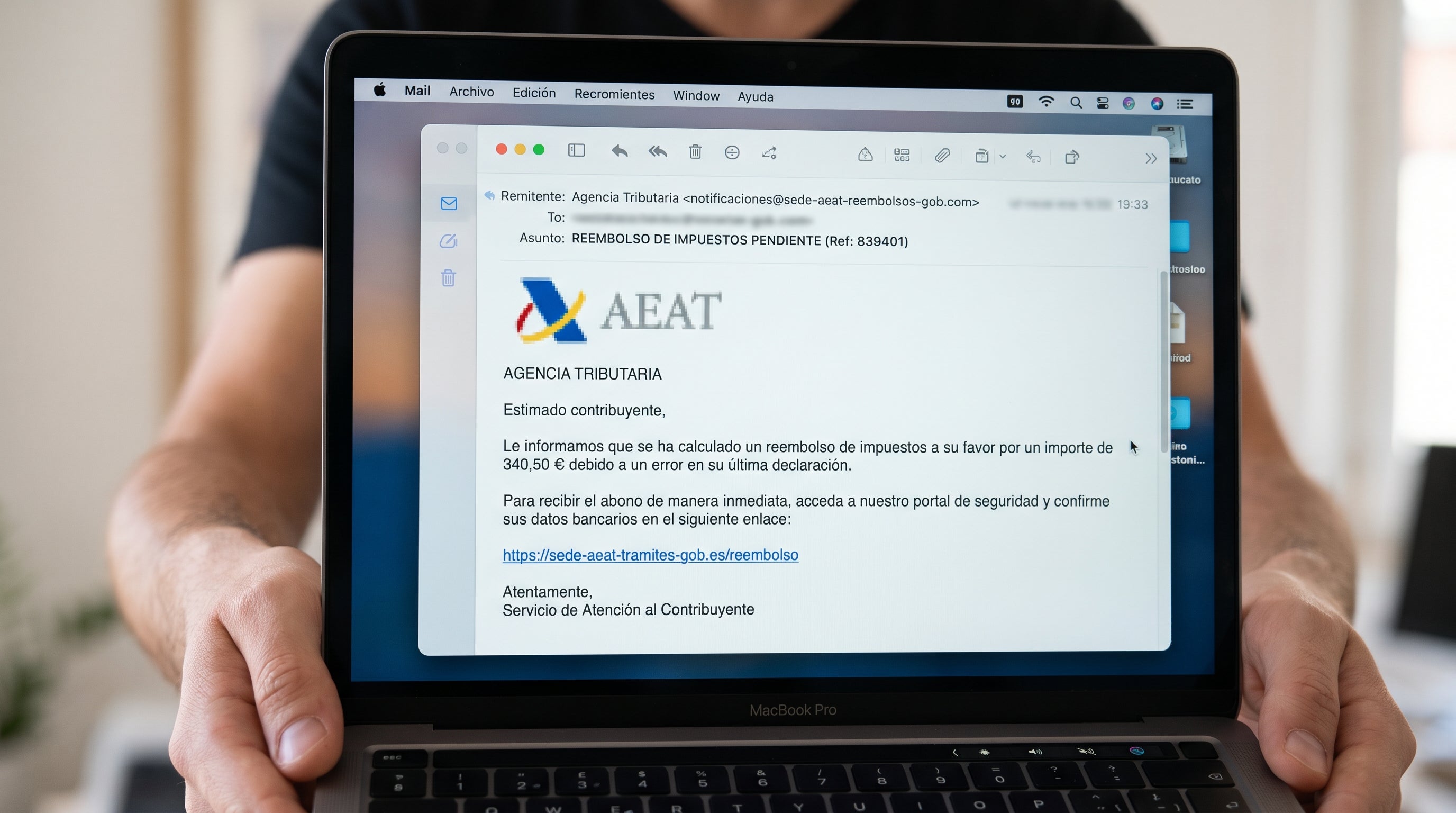
Email is another major spoofing ground. Scammers falsify the sender name so the inbox shows "Banco Santander", "Correos" or "Agencia Tributaria" (Spain's postal service and tax agency), when the real address, visible by tapping the name, has nothing to do with the company or imitates its domain with a small change, such as a swapped letter or an extra hyphen.
Email providers filter many of these messages into spam, though not all, so any message urgently requesting data, payment or a click deserves suspicion.
That link often leads to a spoofed website, an exact copy of a bank's, retailer's or public body's page hosted at a similar-looking address. Anything typed there, including usernames, passwords and verification codes, goes straight to the criminals. The padlock icon in the browser only confirms the connection is encrypted, not that the site is genuinely safe.
Warning signs to watch for
Spoofing is hard to spot because it is designed to look authentic, but most attempts share the same red flags: pressure to act immediately, requests for passwords or verification codes, a demand to transfer money to a "safe account", a request to install software or share the screen, unsolicited links, or small details that do not add up, like spelling mistakes or an odd email address.
The sender can even be genuine but not who they claim. The National Police has also warned of a WhatsApp scam that arrives from real contacts, after criminals took control of their accounts.
When in doubt, the rule is simple: hang up and call the bank's official number, the one printed on its website or on the back of the card, rather than calling back the number that made contact or any number sent in the text.
What to do after falling for the scam
Anyone who has already shared details or made a transfer should act fast. Call the bank to block cards and online access and halt pending transactions. Change passwords, starting with the bank and then email and any other service using the same password. Uninstall any app installed on the scammer's instructions, or reset the phone to factory settings if unsure it was fully removed.
File a report with the National Police, the Civil Guard or regional police, including screenshots, the numbers that called and account statements. Call 017, the free, confidential cybersecurity helpline run by INCIBE, the National Cybersecurity Institute, for guidance on next steps. Submit a written claim to the bank requesting a refund, and escalate to the Bank of Spain if unsatisfied with the response.
Getting the money back is not guaranteed, but courts have sided with victims of this kind of scam on several occasions, ruling that the bank had not applied the necessary security measures.
What regulators and operators are doing
The Spanish government has approved several measures requiring operators to filter fraudulent calls and texts before they reach phones. Since March 2025, operators must block calls and texts from unassigned numbers, and since June 2025 also those arriving from abroad disguised as Spanish numbers, unless the customer is roaming. Between March and November 2025 alone, more than 134 million calls and over 5 million texts were blocked.
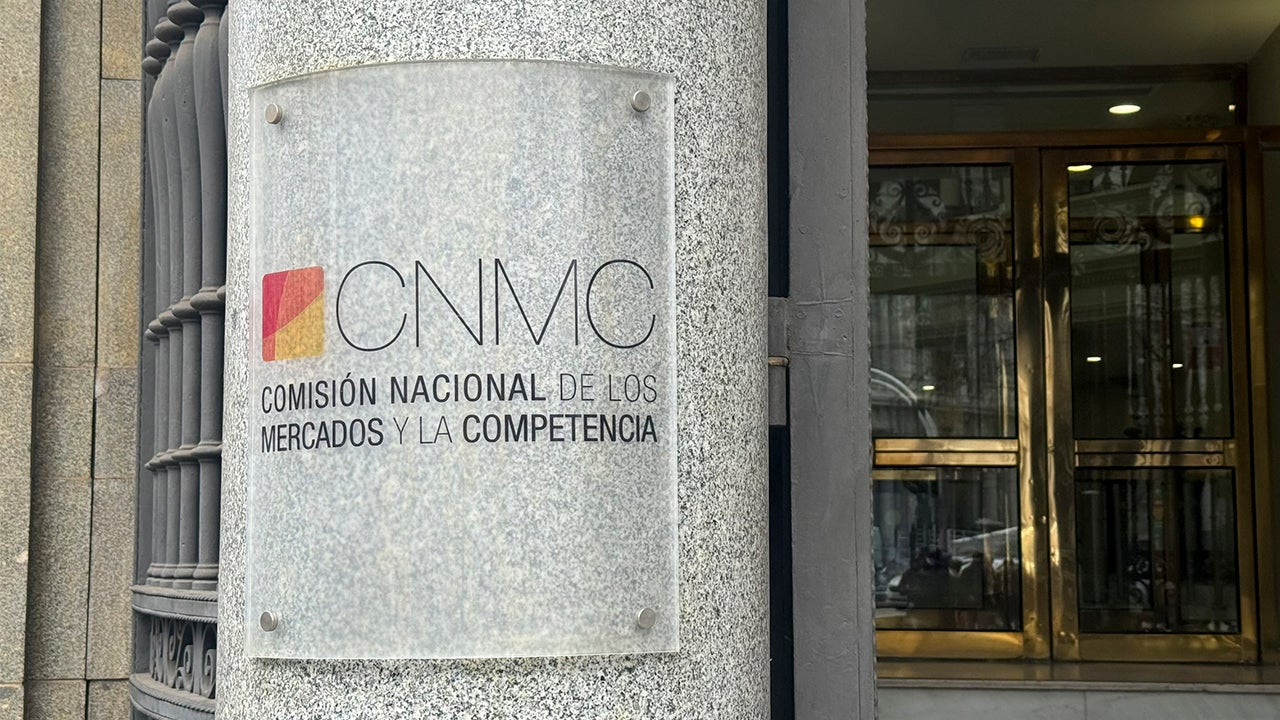
Since September 15, 2026, companies sending texts under their own name must register that alias with the CNMC, Spain's markets and competition regulator, and operators block messages using unregistered aliases, directly targeting the trick of fake texts appearing inside a bank's message thread.
Since October 17, 2026, companies can only make commercial calls from numbers starting with the 400 prefix, and operators must block those that do not use it. That measure targets commercial spam rather than spoofing itself, since a scammer is not going to call from a 400 number.
None of these measures is foolproof, and criminals keep searching for new ways around them, so the best defense remains distrusting any unexpected or urgent message by default and checking it independently before acting.
Test yourself
How many people were arrested in the National Police operation described in the article?
What should you do if you get a suspicious call claiming to be from your bank?
Since when have companies sending SMS been required to register their sender alias with the CNMC?