


The number of fuel stations connected to hypermarkets in Portugal has nearly doubled over the past 16 years, expanding from 167 in 2010 to 317 in 2026. A study conducted by Portugal's Energy Services Regulatory Authority (ERSE) at the request of the Minister of Energy revealed that hypermarket fuel facilities grew faster than the overall network, which expanded by approximately 30 percent across the same period.
ERSE noted that the expansion of discount retail filling stations was accompanied by a broader diversification of market operators and commercial formats across Portugal.
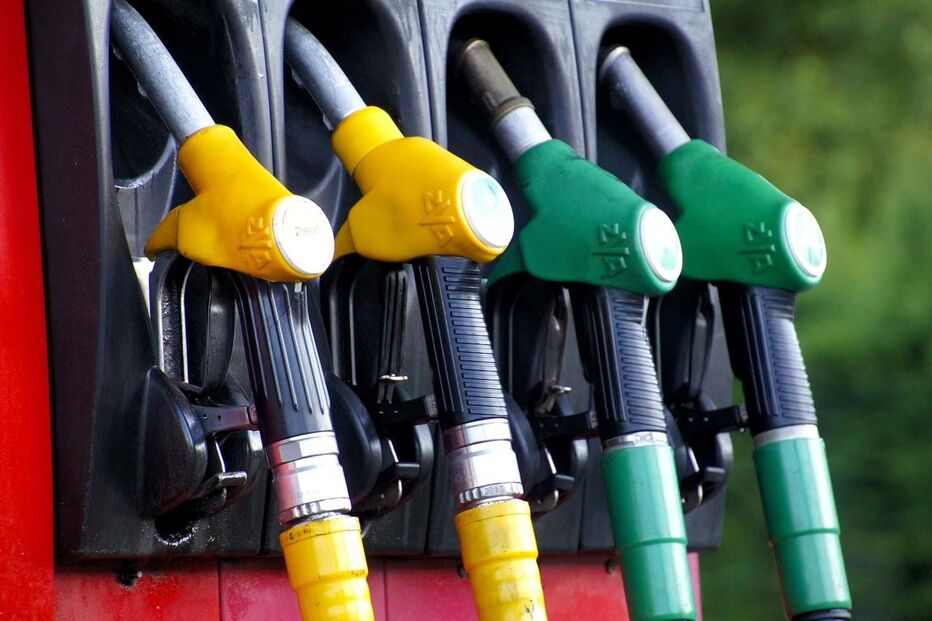
The regulatory study highlighted that hypermarket filling stations have consistently offered lower prices than traditional oil companies, providing average driver savings of between 12 and 14 cents per liter on diesel and petrol in recent months. ERSE reported that these lower prices came during a period of repeated fuel price increases caused by international market instability. Low-cost stations operate with reduced service offerings compared to traditional retail sites, as their primary business objective is to draw drivers into adjacent retail supermarkets.
ERSE serves as the independent public regulator responsible for overseeing electricity, natural gas, and petroleum product markets in Portugal. Discount fuel stations in the country typically operate alongside major supermarket chains, relying on high volume and retail foot traffic rather than full-service roadside amenities.
National network expansion and market share shifts
Portugal's overall network of public road fuel stations reached 3,457 active facilities during the first half of 2026. During the 16-year period from 2010 to 2026, the combined market share of major oil companies, including Galp, Repsol, BP, and Moeve, contracted from roughly 68 percent of all stations down to 58 percent.
Despite the overall decline in traditional oil company market share, individual brands recorded divergent trends. BP expanded its presence significantly from 314 stations in 2010 to 500 in 2026, while Repsol increased its network from 407 to 531 facilities. Conversely, Moeve saw its national network shrink from 246 facilities to 194. Meanwhile, Portuguese operator Prio experienced rapid expansion, growing from just three stations in 2012 to 227 facilities by 2026.

Galp remains Portugal's largest domestic integrated energy provider, while Spanish energy group Repsol and British multinational BP maintain major distribution networks. Moeve operates across Spain and Portugal, while Prio has built an extensive independent market footprint focused on low-cost distribution.
Automated networks and market fragmentation
In its market structure analysis, ERSE also highlighted the recent entry of automated low-cost filling networks, including Petroprix and Plenergy.
The regulator stated that the market trajectory points toward a more fragmented retail structure featuring greater coexistence among distinct commercial business models. However, ERSE noted that total station counts do not directly correspond to sales market shares due to substantial variations in fuel volumes sold per individual site.
The findings were presented as part of ERSE's ongoing evaluation of retail fuel market competition following a formal request from the Minister of Energy.


