

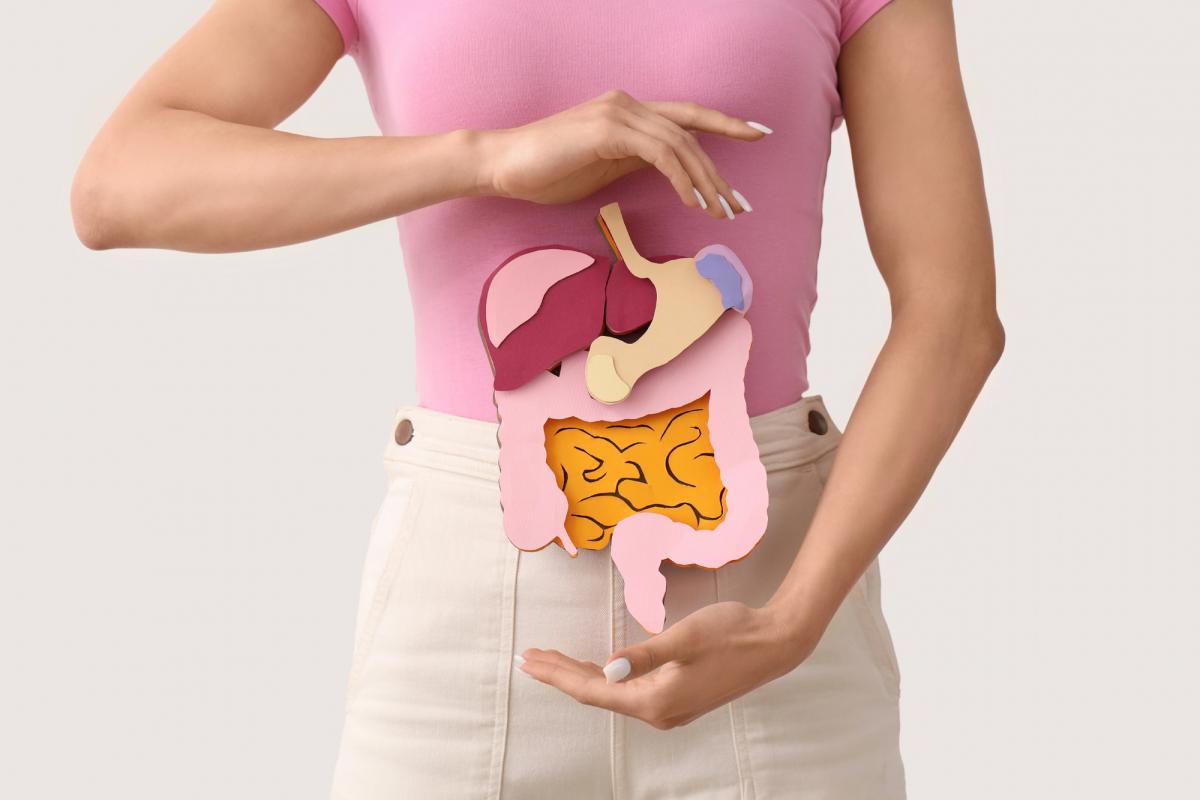
Nutrition experts reporting for Martha Stewart have advised consumers to obtain probiotics from fermented foods rather than dietary supplements to support digestion and maintain gut microbiota balance.
Dietitians stated that unless a person has specific medical indications requiring pills, whole foods should be preferred over capsules and powders. Fermented products supply beneficial live microorganisms along with essential dietary nutrients that supplements do not provide.
The gut microbiota consists of trillions of microorganisms residing in the human digestive tract, playing a central role in nutrient absorption and immune function. Probiotics are live bacteria and yeasts that help maintain a healthy balance of these microbial populations.
Fermented dairy and vegetable options
Yogurt remains one of the best known sources of probiotics. Nutritionists highlight Greek yogurt as an exceptionally nutritious choice, as it provides high levels of protein, calcium, phosphorus, zinc, and B vitamins. Shoppers are advised to verify that product labels specify the presence of live cultures.
Kefir offers an even more diverse array of microorganisms than standard yogurt. Produced using lactic acid bacteria and specialized kefir cultures, this fermented milk drink serves as a potent source of varied live microflora.
Among vegetable based options, kimchi stands out as a rich source of lactic acid bacteria. The traditional Korean side dish is prepared by fermenting vegetables, most commonly napa cabbage, with traditional seasonings.
Sauerkraut similarly combines dietary fiber with microorganisms generated during natural fermentation. However, experts warned that not all commercial sauerkraut contains enough live cultures to qualify officially as a probiotic source. To ensure active microorganisms remain intact, buyers should select unpasteurized varieties.
Soy products, beverages, and aged cheeses
Miso, a traditional Japanese paste made from fermented soybeans, is another valuable source of live bacteria. Nutritionists recommended choosing unpasteurized miso, noting that thermal processing and high heat during pasteurization destroy beneficial microorganisms.
Tempeh provides another soybean based option with a firm texture that makes it a popular plant based protein source. The natural fermentation process used to create tempeh introduces a wide range of beneficial microorganisms into the finished product.
Kombucha, a fermented tea beverage made with bacteria and yeast cultures, also supplies live microorganisms. Dietitians noted that the quantity and composition of microbes vary significantly across different commercial brands, meaning not every bottle offers identical probiotic benefits.
Certain varieties of cheese can also retain live microorganisms if they undergo aging without subsequent heat treatment. Specialists identified Swiss cheese, provolone, gouda, cheddar, edam, gruyere, and specific types of cottage cheese as suitable options.
Dietary guidelines and complementary nutrition
Dietitians emphasized that there is no single established daily intake quota for dietary probiotics. Instead of focusing on strict measurements, specialists recommend integrating probiotic foods into daily meals on a regular basis, such as eating a portion of yogurt or a small serving of kimchi during the day.
Maintaining a consistent dietary routine is the primary factor in supporting long term gut health. Eating small amounts of fermented foods consistently provides a steady supply of active cultures to the digestive system.
In related nutritional guidance, experts previously identified four common foods that contain significantly higher amounts of vitamin C than Brussels sprouts. Vitamin C is an essential nutrient required for normal immune system operation, collagen production, and protecting cells against oxidative stress.


