


Establishments across Spain must charge consumers an extra 10 cents on single-use drink containers starting Wednesday, August 12. The surcharge applies to cans, single-use plastic bottles, and cartons of up to three liters bought in bars, restaurants, supermarkets, and other stores.
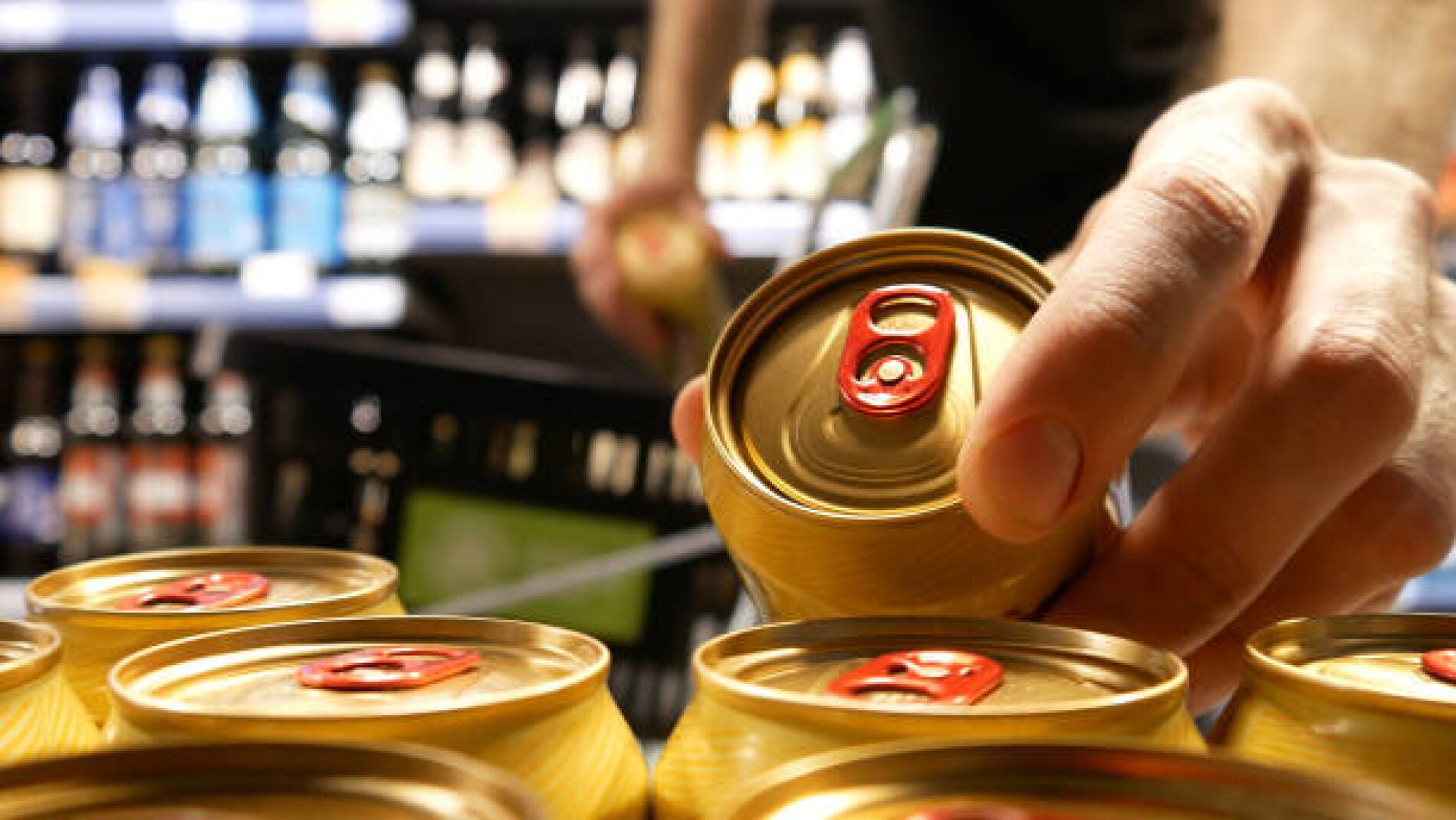
The extra payment marks the rollout of Spain's Deposit, Return and Refund System, known as SDDR. Promoted following European Union regulations, the mechanism aims to increase recycling rates and prevent packaging from being abandoned in the environment.
The 10-cent surcharge is not a permanent price increase. Consumers can recover the full amount by returning empty containers to authorized collection points.
Store Operations and Recycling Targets
Shops and hospitality venues must collect empty containers and refund the deposit to customers. Businesses are required to accept containers even if they were bought at a different establishment, and some stores must install specialized automatic return machines.
The measure aligns with goals established under Spain's Law 7/2022 on waste and contaminated soil for a circular economy. The law sets a target to collect 90 percent of plastic containers before January 1, 2029.
Spain joins other European countries that have already introduced container deposit systems, including Germany, Denmark, and Portugal. Financial deposits in those countries have driven high recovery rates for cans and bottles.
The deposit amount will be listed separately on purchase receipts. A customer buying a six-pack of cans will pay an additional 60 cents upfront, which is refunded upon returning all six empty cans.
The system creates management and space challenges for small businesses. Smaller stores have limited room to store returned packaging while managing container returns.
Phaseout of Single-Dose Plastic Packaging
The new regulations also initiate the gradual withdrawal of single-dose plastic packaging starting August 12. The phaseout covers individual plastic packets used for sugar, salt, coffee milk, oil, vinegar, and sauces.
Establishments must replace single-use packets with reusable dispensers or other alternatives that comply with hygiene and food safety standards. The transition will occur gradually and must be completed by 2030.
The European Union designed the rules to reduce single-use plastic waste and advance a circular economy model. European authorities aim to encourage packaging reuse, expand recycling, and manage waste more efficiently.


