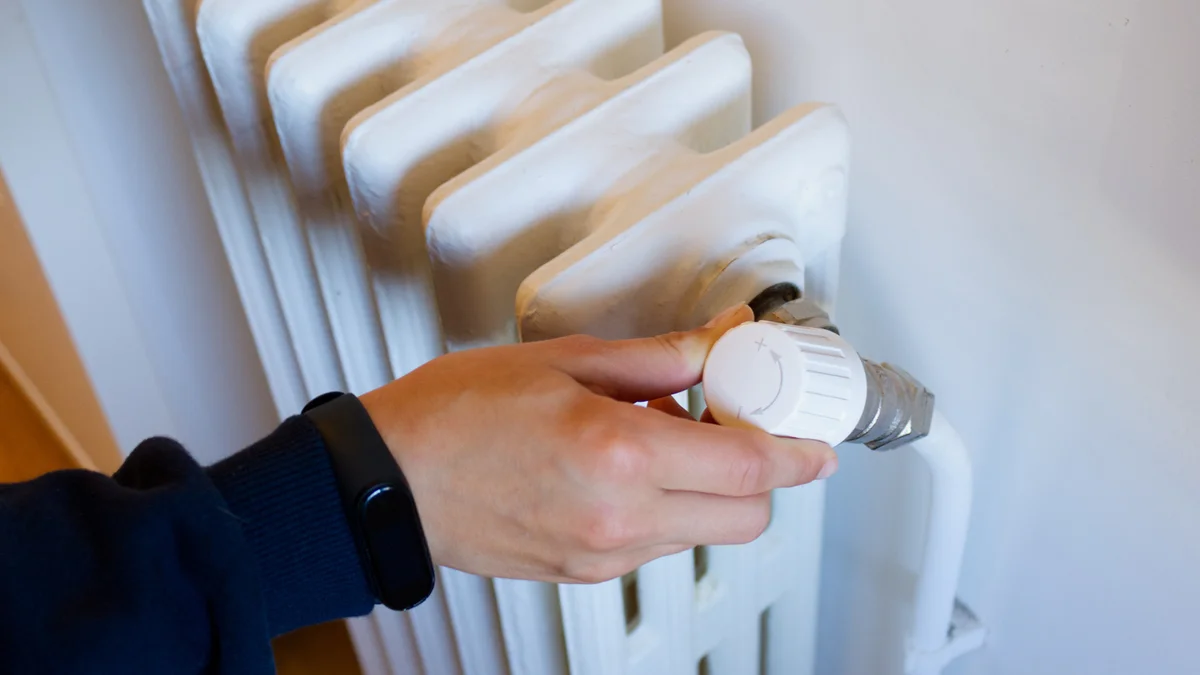
Falling temperatures across much of Spain, driven by rain and the passage of storm Charles in recent days, have reignited a seasonal argument in buildings with shared heating systems: who gets to decide when the central heating comes on. Under Spain's Horizontal Property Law, that decision does not rest with the building president alone.
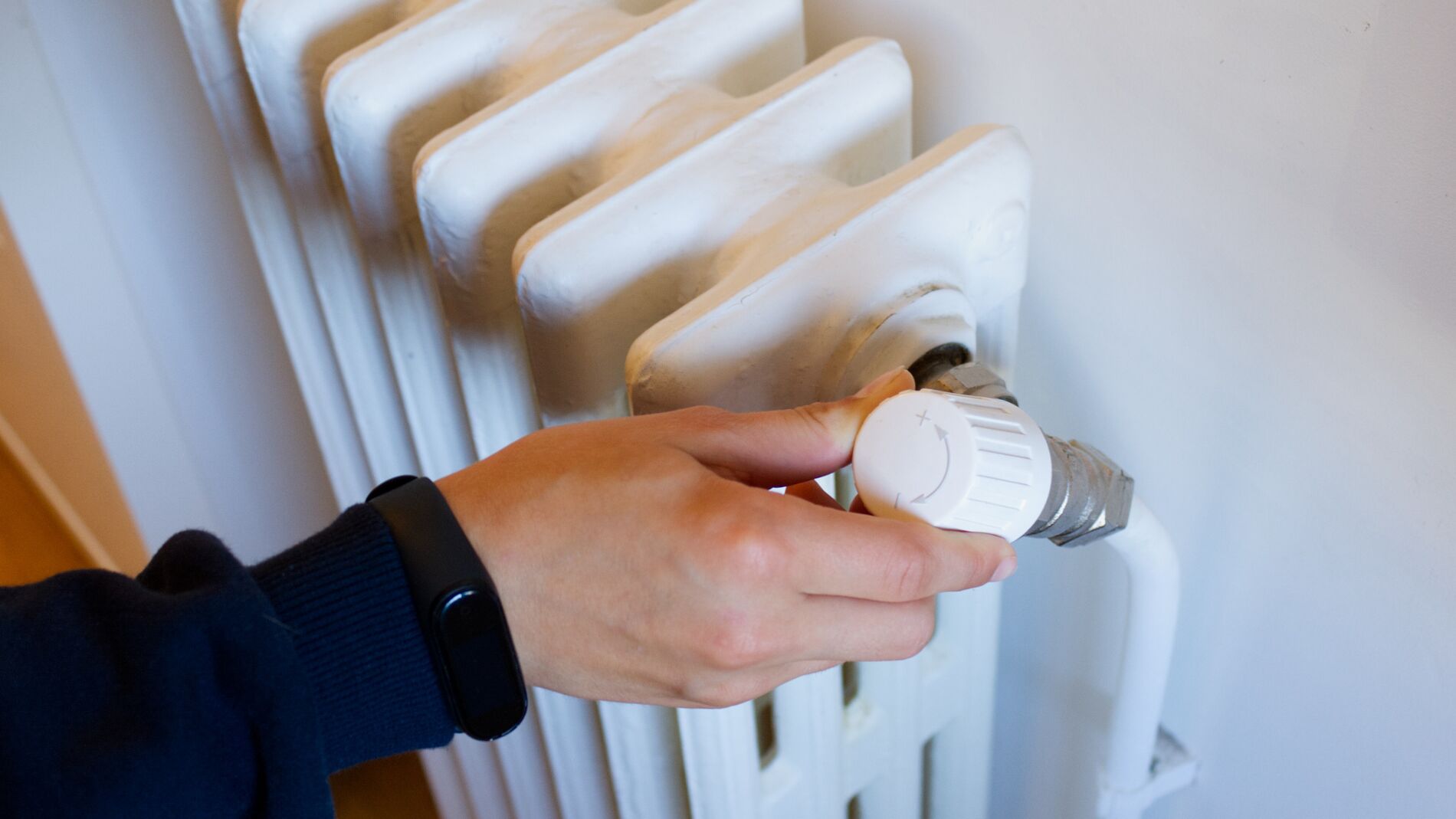
For some residents, switching on the heating means getting their homes warm again after the first cold nights of the year. For others, worried about the cost of energy, putting off the switch-on is a way of keeping bills down.
The Colegio de Administradores de Fincas de Aragón, a professional association representing property administrators in the region of Aragon, has warned that some buildings with central gas boilers could see their energy bills rise by more than 70% this winter. The association stressed that the warning applies only to certain buildings and does not mean a general price increase is coming for every household in Spain.
Property administrators in Spain manage the day-to-day running of communities of owners, from collecting fees to organising maintenance and advising boards on legal obligations such as those set out in the Horizontal Property Law. Colegios like the one in Aragon group these professionals together and often issue guidance to communities ahead of the winter heating season.
No single switch-on date
Central heating in Spanish apartment blocks is usually switched on in autumn and kept running through the coldest months, but there is no fixed date that applies to every building. The exact timing depends on the local climate, how well a building is insulated, the characteristics of its heating installation, and whatever the owners themselves agree. Because of this, the switch-on date can differ widely between communities of owners, even within the same city.
How the service is run also makes a difference. Some communities draw up a calendar for the whole heating season in advance. Others set specific hours or build in room for adjustments if the weather suddenly turns colder. Residents are advised to check the rules already agreed in their own building rather than assume a single standard applies everywhere.
The picture is different in homes with individual heating, where each resident decides for themselves when to turn the system on. Many Spanish cities have large numbers of older apartment blocks built with a single shared boiler serving every flat rather than individual units. In those buildings, the heating calendar and hours form part of the management of a communal service, and the decision generally falls to the owners' board, known in Spanish as the junta de propietarios.
Why the president cannot decide alone
Spain's Horizontal Property Law, known by its Spanish initials LPH, governs how communities of owners in blocks of flats are run, setting out rules for shared spaces and services such as lifts, roofs, water supply and heating. The law states that ordinary decisions, including changes to the heating schedule, are adopted by majority vote. At a first meeting, this requires the favourable vote of the majority of all owners and of the participation quotas tied to their properties. At a second meeting, a simple majority of those attending is enough, as long as they represent more than half of the quotas present.
Each flat's participation quota, generally based on its size relative to the whole building, determines the weight of its owner's vote and their share of common costs, including heating. Larger properties typically carry proportionally greater voting power and a bigger share of the bill.
The president of the community is responsible for enforcing whatever the owners have agreed, not for setting the rules personally. The president cannot change the heating schedule on their own initiative unless the board has already given them authority to make adjustments in specific situations, such as an exceptional and sudden drop in temperature.
How residents can request a change
Residents who disagree with the current calendar or hours can ask for the issue to be put to a vote at the next board meeting. To do so, they need to send the president a written request asking for the matter to be added to the agenda, rather than raising it informally.
Once that request is received, the community can weigh residents' comfort needs against the cost of running the heating system and agree on a single solution that applies to the whole building, rather than leaving the choice to any one owner or to the president alone.