The Taliban marked five years since returning to power in Kabul on Saturday, gathering more than 1,000 attendees to celebrate their 2021 victory. The anniversary comes as the regime calls for a new era of international cooperation while continuing to enforce strict Islamic rule.

The fundamentalist government consolidated its control over the past five years without receiving international recognition. It maintained power despite internal threats, including attacks from the regional branch of the Islamic State group.
The takeover in August 2021 ended the short-lived Afghan Republic following the flight of government authorities and foreign troops. That collapse occurred 20 years after NATO forces had previously ousted the Taliban from power.
Taliban Call For Peace And International Ties
In an official statement released for the anniversary, Taliban authorities declared Afghanistan's independence and called for peace and tranquility in relations with foreign governments. They requested that other nations respect Afghanistan's territory and national interests.
The regime stated that Afghan soil would never be used to conduct attacks against any other country. Authorities also promised to protect the territory from future occupation, aggression, or insecurity under the governance of Sharia law.
Taliban officials warned international powers that they would not tolerate any foreign interference in how they govern the country. They reiterated that all governance will strictly adhere to their fundamentalist interpretation of Islamic law.
Human Rights Restrictions And Bans On Women
International organizations and non-governmental groups offered a contrasting assessment of the regime's five-year rule. Human Rights Watch documented a systematic dismantling of rights for women and girls, emphasizing the growing cost of impunity in the country.
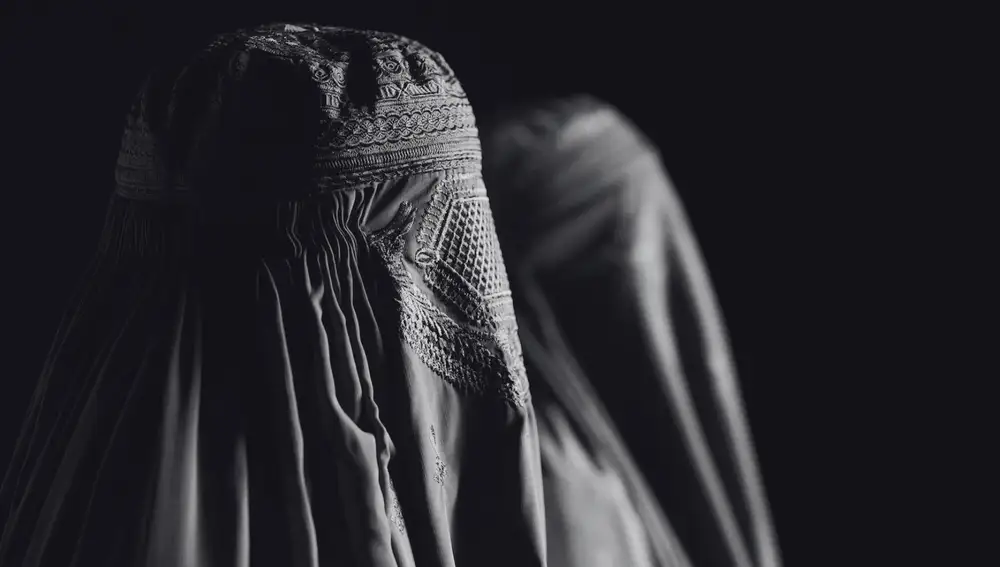
Fiona Frazer, head of human rights for the United Nations mission in Afghanistan, described five years of stifling restrictions on daily life. She noted bans on listening to music, watching fiction movies, and smartphone usage by students and government employees.
Frazer reported that corporal punishments reached their highest level under the regime in 2025. The country recorded more public floggings that year than in all previous years of Taliban rule combined.
Women have remained the primary targets of social restrictions across Afghan society. Authorities have banned female residents from visiting public parks and gyms while barring them from most professional employment.
Afghanistan is currently the only country in the world that prohibits girls from attending secondary school or university. In addition, the Taliban morality police regularly raid workplaces and arbitrarily detain women for alleged dress code violations.
Humanitarian Crisis And Economic Growth
The country faces a severe humanitarian crisis, with nearly 40 percent of the population requiring urgent aid to survive. Widespread hunger, a prolonged drought, and the collapse of essential public services have driven the widespread distress.
Despite the severe humanitarian conditions, the Afghan state avoided total economic collapse. Data from the World Bank showed that Afghanistan's gross domestic product grew by 4.8 percent last year, supported in part by major infrastructure projects.
Civil society in Afghanistan has been almost entirely erased from public life five years after the rapid Taliban military campaign and the departure of NATO forces. A fundamentalist political order now controls the private and public lives of Afghan citizens.