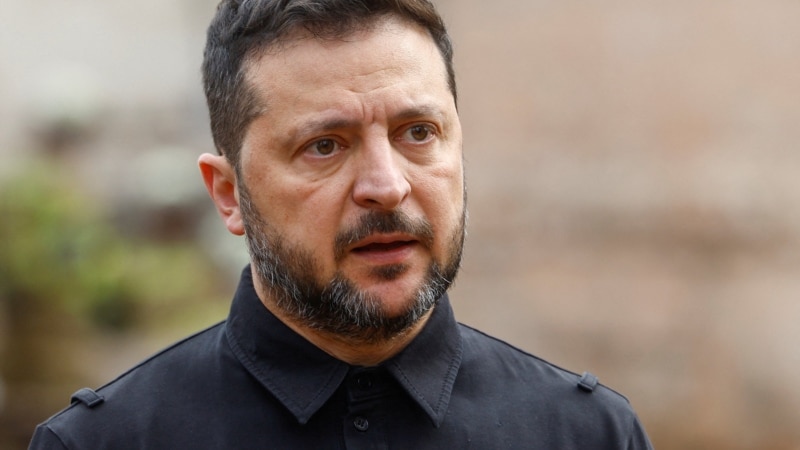
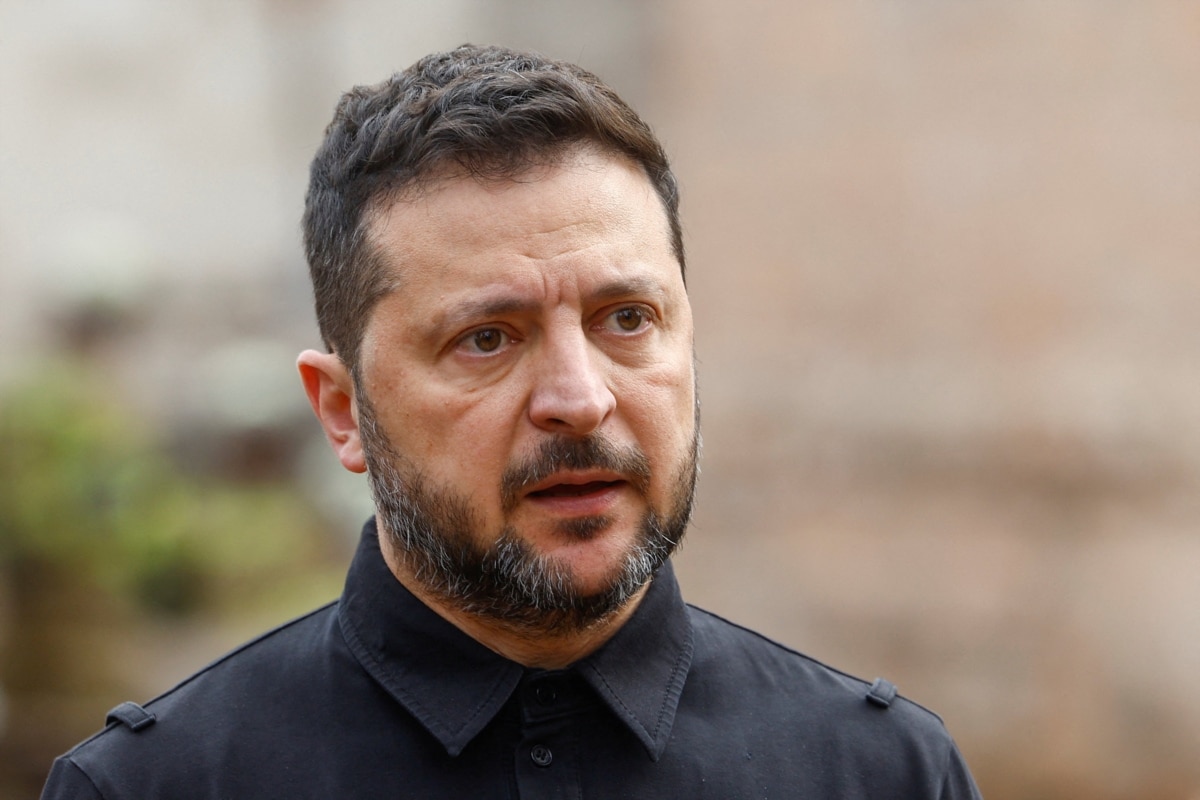
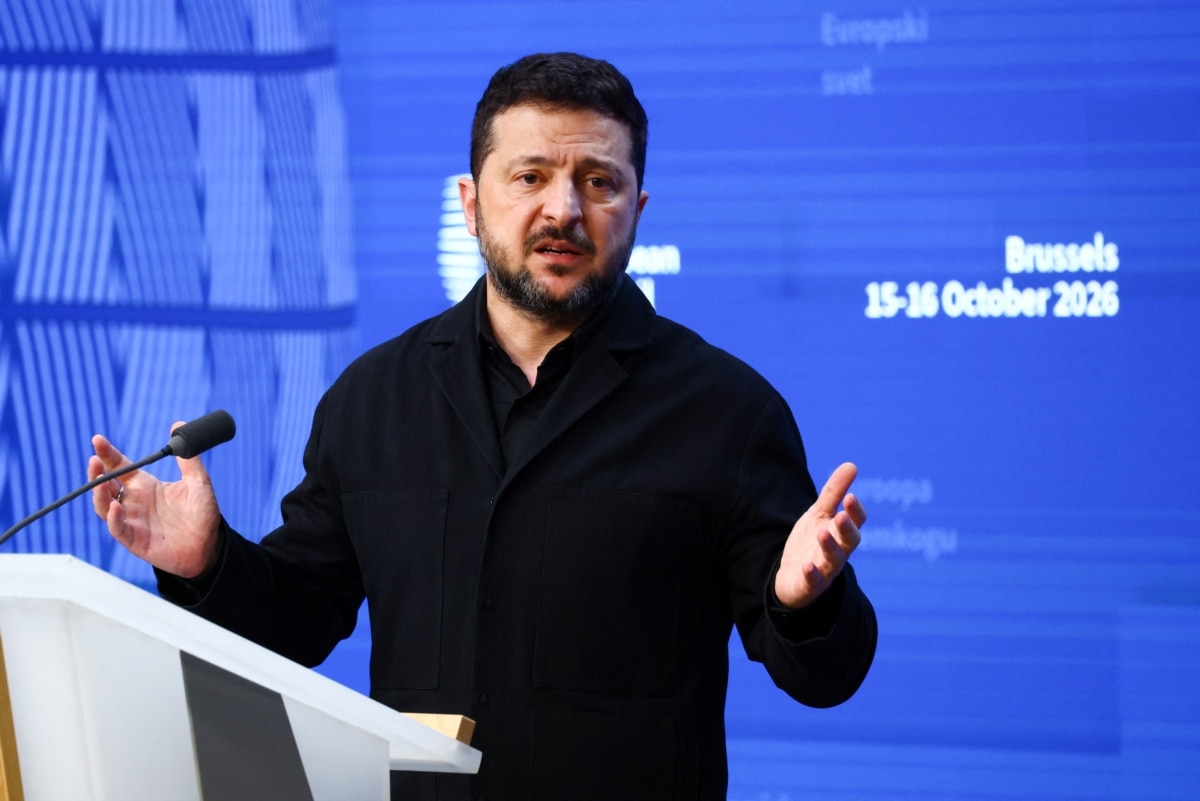
Ukrainian President Volodymyr Zelenskyy announced on November 6 that Kyiv is experiencing the worst power and water supply crisis in the country following Russian air strikes.
Speaking after a nationwide conference call with regional officials on energy security and disaster relief, the head of state said households and businesses across the capital are enduring prolonged electricity and water blackouts. He described the mounting operational challenges facing the city as exceptionally serious.
Zelenskyy attributed the widespread outages to a combination of sustained Russian military operations targeting Ukraine's energy network and an alleged failure by municipal authorities to carry out local decisions required to prepare for the winter heating season.
Kyiv, a metropolis of roughly three million people, serves as Ukraine's political and administrative heart. The capital relies heavily on centralized municipal grids for electricity, running water, and district heating, leaving urban infrastructure vulnerable whenever major power substations and generation plants sustain missile and drone damage.
Government Emergency Aid and Foreign Equipment
The president said the national government is stepping in to supply additional resources to stabilize the capital, including providing extra engineering equipment and accelerating repair schedules on the ground.
Zelenskyy noted that Ukraine has secured bilateral agreements with Germany and Spain following recent diplomatic discussions with foreign leaders and industrial manufacturers. Under these agreements, international partners are delivering essential emergency generators, electrical cables, and heavy repair hardware to shore up damaged installations.
Restoration operations will also draw upon dedicated engineering capabilities from the Armed Forces of Ukraine to help rebuild wrecked energy transmission lines and key utilities.
Prime Minister Serhiy Koretskyi reported during the session that the cabinet has launched a system of special monthly bonus payments for personnel carrying out dangerous repair assignments. These payments will go to power workers, municipal utility staff, railway operators, and specialists maintaining water treatment and water distribution facilities.
While Kyiv remains the most severely affected urban center, the conference call addressed energy destruction across several other administrative areas. Officials reviewed damage and repair timelines in the cities of Dnipro and Kharkiv, as well as the wider Kyiv region, Odesa and Odesa region, Sumy, Zhytomyr, Vinnytsia, Cherkasy, and Poltava.
Political Clash Between President and Mayor
The emergency meeting highlighted renewed political friction between the presidential administration and municipal leadership in the capital. Tensions have simmered throughout the war between Zelenskyy's government and Kyiv Mayor Vitali Klitschko, the former world heavyweight boxing champion who has led City Hall since 2014.
Zelenskyy had already censured Kyiv officials in mid-October over what he called substandard execution of mandatory resilience plans ahead of the cold season. The president stated that by the middle of October, compliance with energy resilience programs was higher across virtually all other parts of Ukraine, including exposed frontline and border provinces, than in the capital.
To address the situation, Zelenskyy proposed that Prime Minister Koretskyi establish a dedicated special cabinet within the government to take direct charge of formulating solutions for Kyiv.
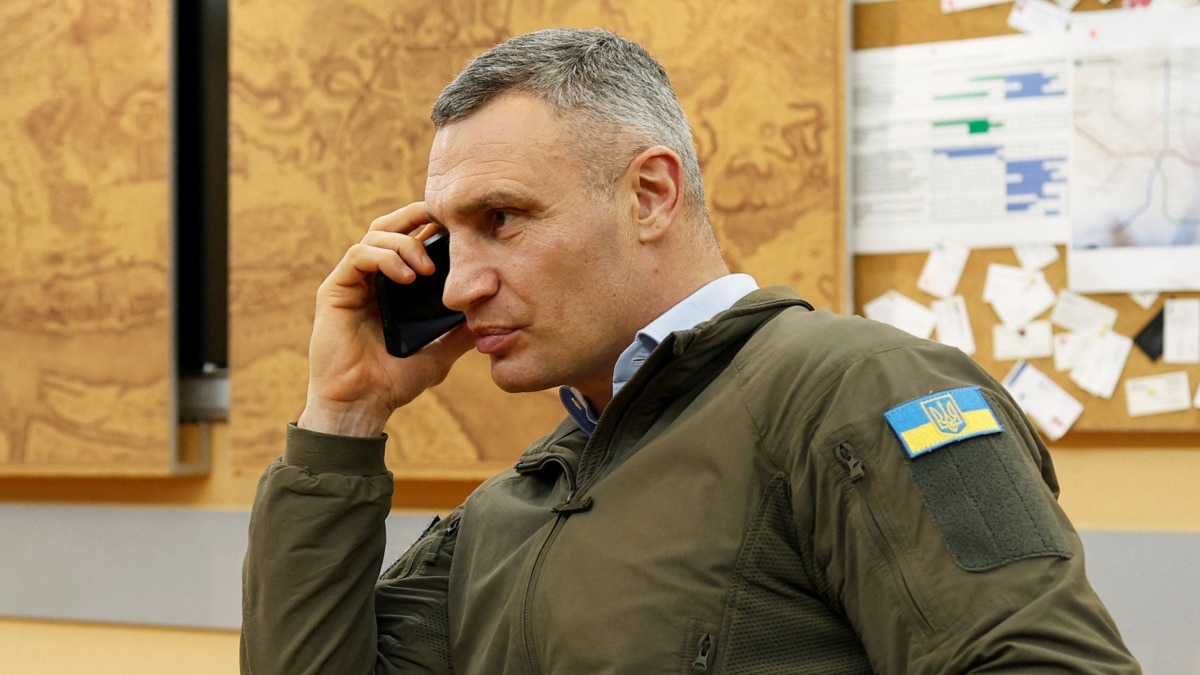
Following the president's remarks and a summons to appear before the national parliament, the Verkhovna Rada, Klitschko pushed back strongly against the criticism from Bankova, the seat of Ukraine's presidency.
Klitschko said the capital had been preparing for the heating season under relentless enemy shelling and in the midst of what he characterized as a political spectacle organized by national officials over the resilience framework. He added that the municipal government had been forced to work against a misleading public campaign claiming the city was idle, while central authorities blocked municipal funds.
The mayor rejected allegations that city hall had jeopardized the upcoming heating season, pointing out that municipal district heating had not even started yet. Klitschko insisted that municipal workers have prepared continuously for winter conditions and have already completed all primary energy resilience projects across the capital.
Jet Drone Threat and Winter Warnings
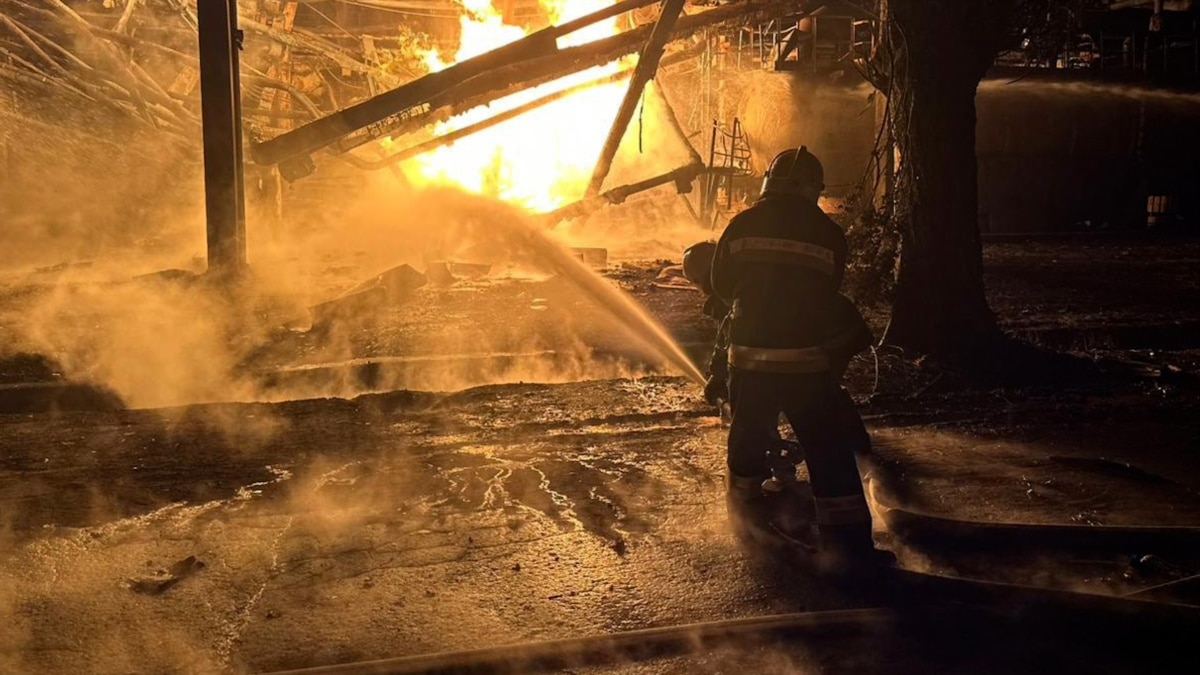
The disruption to the energy grid coincides with a sharp escalation in Russian aerial tactics targeting the capital. In recent weeks, Moscow has launched daily bombardments against Kyiv using jet-powered attack drones, representing an advanced weapon system in the ongoing conflict.
Unlike the slower propeller-driven Iranian-designed Shahed loitering munitions that Russian forces have used extensively since 2022, jet-propelled drones travel at far higher velocities. Ukrainian military forces currently lack comprehensive countermeasures against these fast-moving aerial weapons. While Ukrainian air defense units have gradually improved interception rates against jet drones, the success rate remains noticeably lower than that achieved against conventional unmanned aircraft.
With temperatures dropping and air attacks intensifying, the Kyiv City State Administration has urged residents to take immediate self-protection steps. City authorities instructed households to insulate their apartments, stockpile shelf-stable food and drinking water, and keep portable power banks fully charged.
Mayor Klitschko also reiterated advice that he first issued during the devastating power grid emergency of the previous winter. In an interview with Agence France-Presse on October 8, Klitschko advised Kyiv residents who have the financial means or family alternatives elsewhere to leave the capital temporarily to reduce pressure on failing urban utilities.
As winter sets in, municipal utility crews, government ministries, and international partners face a difficult race to repair damaged electrical substations and secure heating infrastructure before subzero conditions arrive.