


Sixteen junior doctors began treating patients across 16 healthcare practices in the Tarn department on Monday, November 2, to combat local medical shortages.
The placement is part of a broader regional rollout that has sent 241 fourth-year medical students into outpatient practices across all 13 departments of Occitanie. Nearly 42 percent of the new cohort have been assigned directly to priority intervention zones, where patient access to general practitioners is under severe pressure.
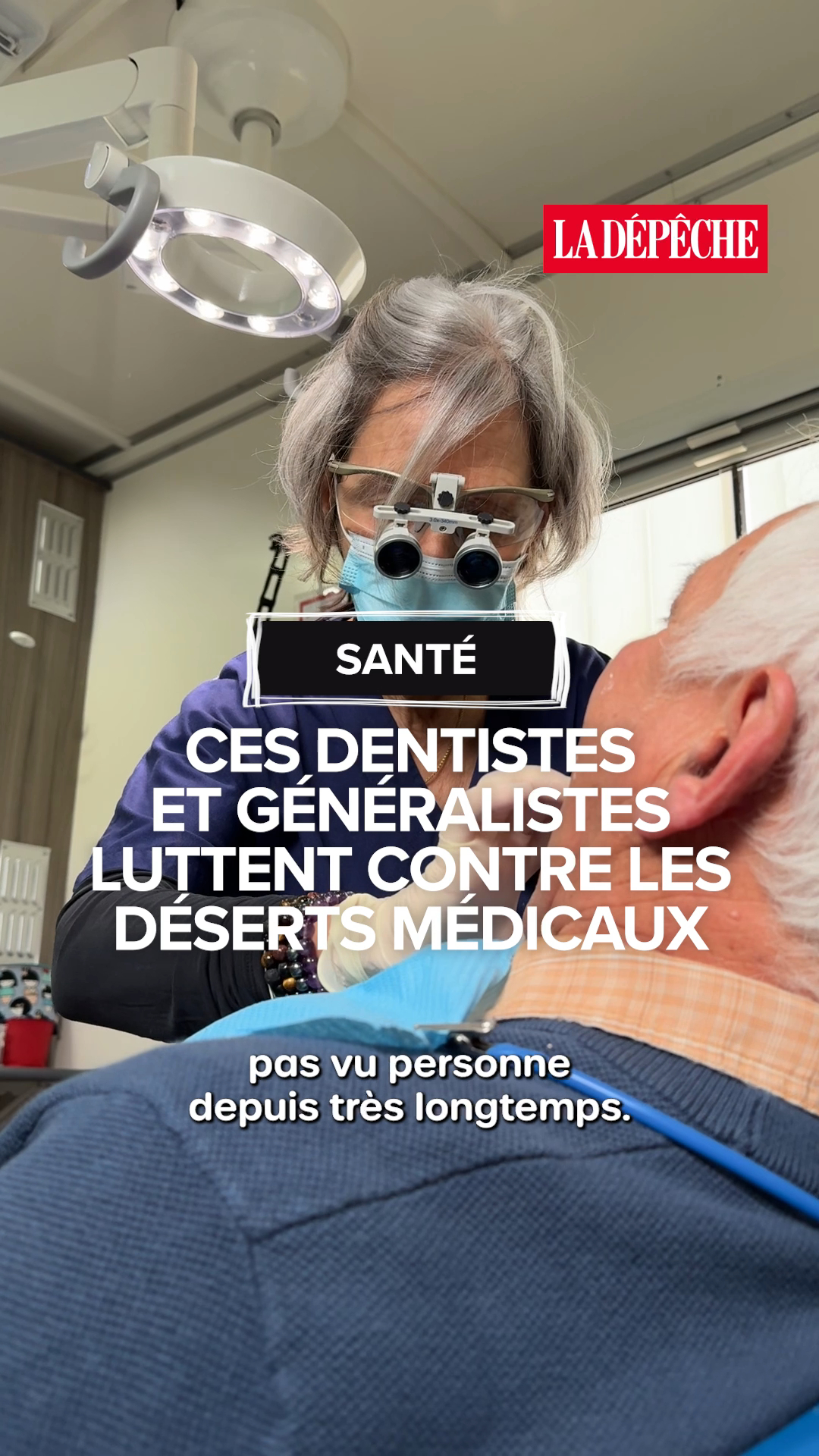
The young practitioners represent the first graduating class under a reformed medical training curriculum. Each student is completing the fourth year of the specialised studies diploma in general medicine, known as the DES, designed to consolidate clinical skills in private outpatient practice.
Rather than working in hospitals, the doctors are stationed in local surgeries under supervised autonomy. They operate under the guidance of certified university internship tutors, with an attending supervising doctor on hand to assist during consultations.
Supervised clinical duties in general practice
The junior doctors are taking on active clinical duties rather than acting as passive observers. They are authorised to examine patients for everyday medical complaints, assist with unscheduled and walk-in care, and carry out regular follow-up appointments.
A significant portion of their workload involves monitoring elderly patients and individuals suffering from chronic illnesses. The trainees will also participate in local preventive healthcare initiatives, including disease screening and vaccination campaigns.
Health officials view their presence as an immediate boost to frontline primary care. The Regional Health Agency for Occitanie, known as ARS Occitanie, said the arrival of junior doctors would strengthen efforts to meet the population's healthcare needs, especially in chronically under-served districts.
The regional authority added that working in rural communities introduces future physicians to the day-to-day realities of local practice, with the goal of encouraging them to settle permanently in the area once they finish their training.
Surgeries hosting junior doctors across Tarn
In Tarn, the 16 hosting locations cover communities ranging from regional hubs to small rural villages. In the south of the department, trainees are working in Castres, Mazamet, Verdalle, Labastide-Rouairoux, and Vabre.
In central Tarn, practices in Realmont, Alban, and Lavaur are taking part in the initiative. Further north, two doctors in the departmental prefecture of Albi are hosting trainees, alongside medical practices in Gaillac, Le Sequestre, Coufouleux, Carmaux, Cordes-sur-Ciel, and Mirandol-Bourgnounac.
The geographic spread reflects the widespread nature of physician shortages across the department. Many rural communes in south-western France have struggled to replace retiring doctors, leaving thousands of residents without a dedicated attending physician.
National reform and regional healthcare pressures
The deployment in Tarn mirrors similar efforts across the country, where roughly 3,000 junior doctors were scheduled to begin clinic placements on the same day. Neighbouring Tarn-et-Garonne also welcomed 16 junior doctors this week to reinforce its own medical network.
France has grappled for years with the expansion of medical deserts, areas where low doctor density forces residents to travel long distances or face months-long waiting lists for appointments. The issue has become a central priority for public health planning, leading to financial incentives and structural reforms in medical education.
By extending general practice training with a compulsory fourth year spent in ambulatory care, health authorities hope to bridge the gap between hospital-based residency and independent general practice. The extra year allows trainees to experience community medicine directly while providing immediate relief to overworked general practitioners.
For rural towns in Tarn, the long-term objective extends beyond temporary staffing relief. Local leaders and health administrators hope that young physicians who build ties with patients and local communities during their placements will choose to establish their permanent practices in the region.


