


Venezuela has raised its crude oil production to 1.23 million barrels per day, reaching its highest extraction volume since February 2019, Acting President Delcy Rodríguez announced in a nationwide address.
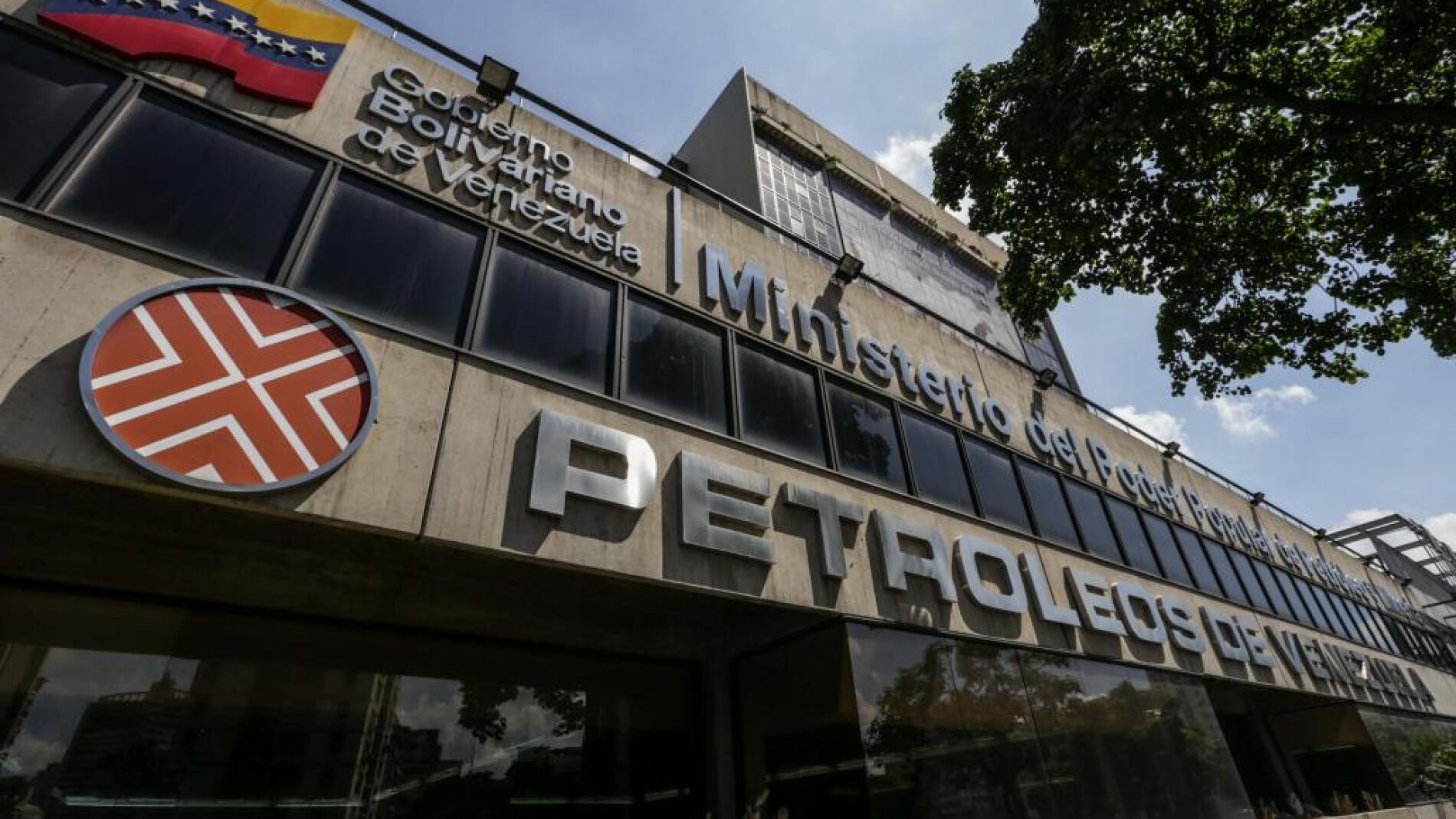
Speaking from Caracas, Rodríguez presented the recovery of the energy industry as a central pillar of the country's new economic phase, detailing an ongoing campaign to attract foreign capital and technology back into the domestic hydrocarbons sector.
Venezuela possesses the largest proven crude oil reserves in the world, primarily located in the Orinoco Petroleum Belt. The country's state-owned energy enterprise, Petróleos de Venezuela, S.A., known as PDVSA, manages national extraction, but years of severe underinvestment, infrastructure decay, institutional crisis, and international sanctions previously crippled domestic oil output.
The prolonged devastation of the energy sector continued until a recent United States intervention resulted in the capture of former president Nicolás Maduro. Rodríguez, who previously served as Maduro's vice president and key adviser, now heads the nation's interim government.
Investment Deals and Production Growth
The acting president announced that her administration has finalized around 50 agreements for new capital investments spanning more than 76 productive areas. This economic initiative extends beyond petroleum extraction to include major investments in the mining sector and the national electrical grid.
The latest production level represents an increase of nearly 30 percent compared to the 924,000 barrels per day recorded in January. Official figures previously placed July output at approximately 1.2 million barrels per day, confirming a steady upward trajectory for Venezuelan crude extraction over recent months.
Crude oil production is measured in barrels per day, with each barrel holding 42 US gallons or roughly 159 liters. Petroleum exports historically accounted for the vast majority of Venezuela's foreign currency earnings, making the daily extraction volume a critical barometer of the nation's broader economic health.
Rodríguez praised the resilience of the oil industry, highlighting its ability to maintain production momentum during the recent national emergency caused by two powerful earthquakes that struck the South American nation at the end of June.
National oil operations continued uninterrupted despite the twin earthquakes on June 24, which caused widespread devastation and killed at least 6,509 people. Maintaining steady extraction through the disaster was highlighted by officials as proof of the energy sector's operational recovery.
Economic Expansion and Financial Institutions
The recovery in oil output has placed energy back at the heart of Venezuela's broader economic strategy. Rodríguez reported that the country has now accumulated 21 consecutive quarters of economic expansion following years of sharp industrial decline.
However, the acting president admitted that the country's economic recovery is far from complete. She acknowledged that much work remains to rebuild a national economy that she described as severely impacted by years of international sanctions.
As part of its economic pivot, Venezuela has begun rebuilding formal ties with major global lending bodies, including the International Monetary Fund, the World Bank, and the Inter-American Development Bank. Headquartered in Washington, D.C., these international financial institutions provide developmental loans, financial assistance, and technical expertise to member states.
Alongside its outreach to international lenders, Caracas has re-established diplomatic, economic, and consular relations with multiple foreign governments. Rodríguez explained that these agreements aim to restore access to international capital, technology, financing, markets, and foreign cooperation, while also improving public services for the Venezuelan diaspora.
The Venezuelan diaspora consists of millions of citizens who emigrated abroad in recent years due to domestic economic hardship and political turbulence. The restoration of consular services is intended to assist overseas Venezuelans with documentation, passport processing, and administrative support.
Exchange Rate Stability and State Modernization
Rodríguez also pointed to significant progress in Venezuela's foreign exchange market, highlighting a substantial reduction in the gap between official and unofficial currency rates. Over the past two months, the margin between the official exchange rate and the free market rate narrowed from nearly 30 percent to 12.3 percent.
The administration intends for this currency convergence to yield tangible improvements in daily economic life. Government officials expect the narrowing exchange gap to provide families with greater predictability when managing household budgets, give merchants more stability, and create better conditions for businesses to set prices, budget, and invest.
In parallel with financial and currency reforms, Caracas is focusing on modernizing the state apparatus. Rodríguez stated that efforts are underway to cut government bureaucracy, simplify administrative procedures, and expand digital public services for both private citizens and commercial enterprises.
Administrative hurdles and bureaucratic delay have long presented obstacles to commercial growth and public administration in Venezuela. Expanding digital government portals aims to streamline official paperwork, accelerate business registration, and improve the efficiency of state services nationwide.


