The Spanish city of Almería faces a high-speed rail delay until at least 2028 or 2030 due to construction bottlenecks in Lorca, threatening to leave its new underground station without high-speed trains.
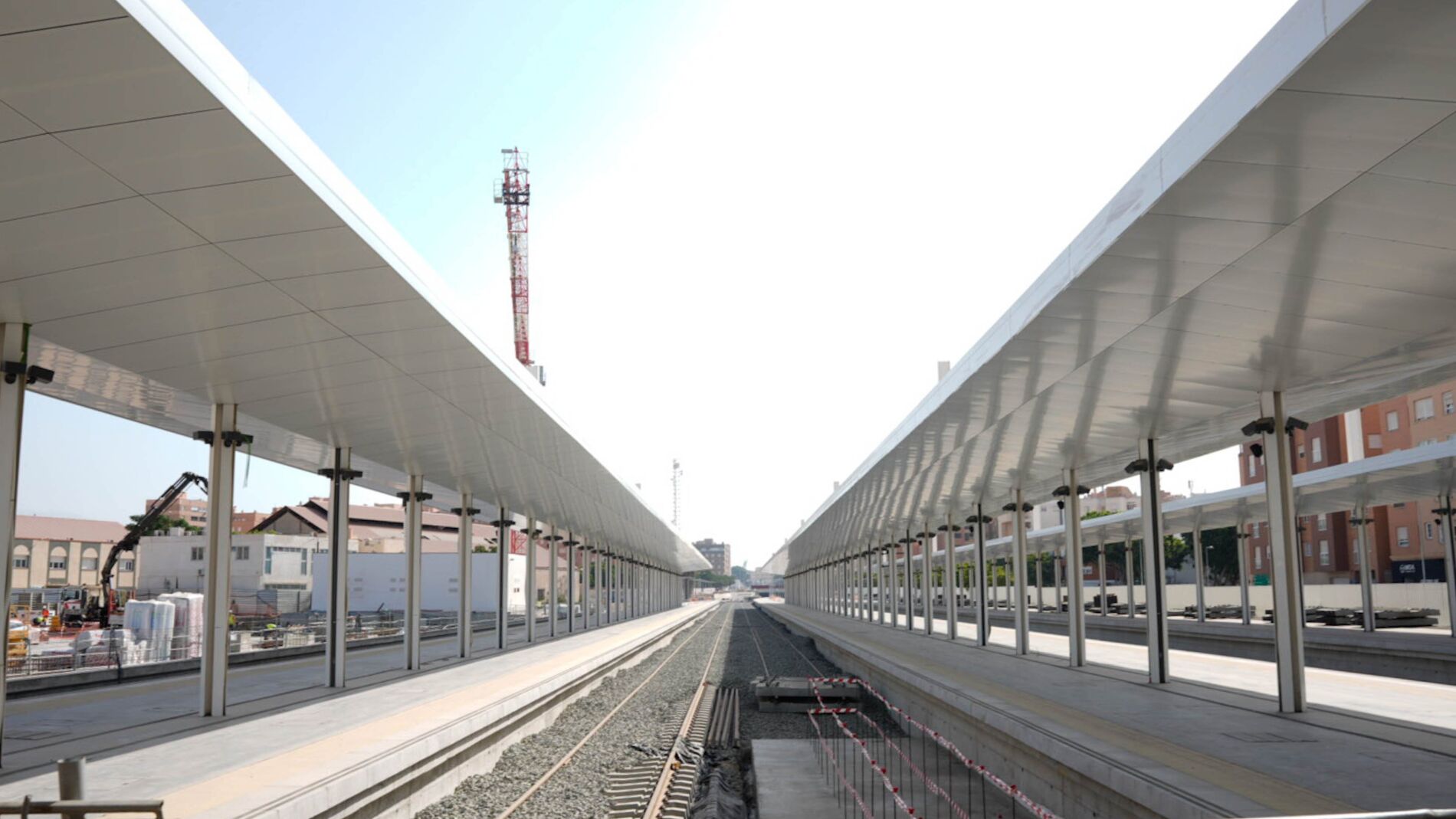
Spanish Transport Minister Óscar Puente and Presidency Minister Félix Bolaños visited the construction site of the new intermodal station to announce that the urban undergrounding infrastructure will be finished in the final quarter of 2026, with the rail connection to Granada scheduled before the summer of 2027.
However, neither minister provided a firm date for the actual arrival of the high-speed AVE line connecting Almería to the wider Mediterranean Corridor. When asked by reporters during the visit, Bolaños said that the central government is taking the project very seriously and does not want to announce dates that are not fully guaranteed, stepping back from previous promises that Almería residents would travel by high-speed train in 2027.
Bolaños described the visit as part of the traditional inspection of high-speed integration works in Almería, noting that while the government announced tenders five years ago, work is now fully executed or underway across all sections.
Local Authority and Opposition Criticism
The lack of a guaranteed timeline drew immediate criticism from Almería City Council, the Regional Government of Andalusia, and the opposition Popular Party, who cited permanent uncertainty surrounding central government deadlines.
Ana Martínez Labella, a national deputy for Almería and former municipal urban planning councillor, described the ministers' stance as a lack of real commitment to the city's future. She criticised the central executive for making announcements that are not fulfilled later and demanded a clear and reliable calendar.
Labella also accused the government of trying to politically capitalise on the project while ignoring the fundamental role played by the municipality. She added that the executive has failed to address critical adjacent issues, including the urban future of the old railway station and the development of land freed up by the rail undergrounding.

Almería Mayor María del Mar Vázquez has waited years for a direct working meeting with the central government regarding these projects. Vázquez demanded that the historic former railway station building, which has frequently served as a filming location for major cinema productions in the province, be designated for public, social, or museum use through citizen consensus or a public survey.
Regional Co-Funding and Economic Concerns
The Regional Government of Andalusia also reminded the central government that rail integration in Almería is not an achievement it can claim alone. Regional Development Minister Mario Muñoz-Atanet highlighted that the regional executive is directly co-financing the undergrounding works with a contribution exceeding 40 million euros.

Muñoz-Atanet called the ongoing scheduling uncertainty unacceptable, stating that it creates public distrust towards announced progress. While welcoming the urban transformation of city neighborhoods historically divided by railway tracks, he warned that the project will only be a complete success when high-speed rail becomes a tangible reality on the ground rather than a continuously postponed headline.

Local economic and social groups in the province fear Almería could become a prime example of railway improvisation. They expressed concern that the capital will open a state-of-the-art underground terminal and transport hub in 2026, only to see its high-speed platforms stand empty for years.

Almería is a coastal provincial capital in south-eastern Spain that has historically suffered from geographical rail isolation. The high-speed rail line connecting through Lorca in Murcia is intended to integrate the province into Spain's Mediterranean Corridor, a major transport network connecting eastern Spanish regions to the French border.