Ancient societies that lived in the Lambayeque valley, on Peru's northern coast, staged mass human sacrifice ceremonies that coincided with periods of intense climate disruption linked to the El Niño phenomenon, according to earlier archaeological research. Yet a new study shows that everyday life in these same communities involved little interpersonal violence, challenging assumptions that flooding and resource scarcity also drove conflict among ordinary residents.
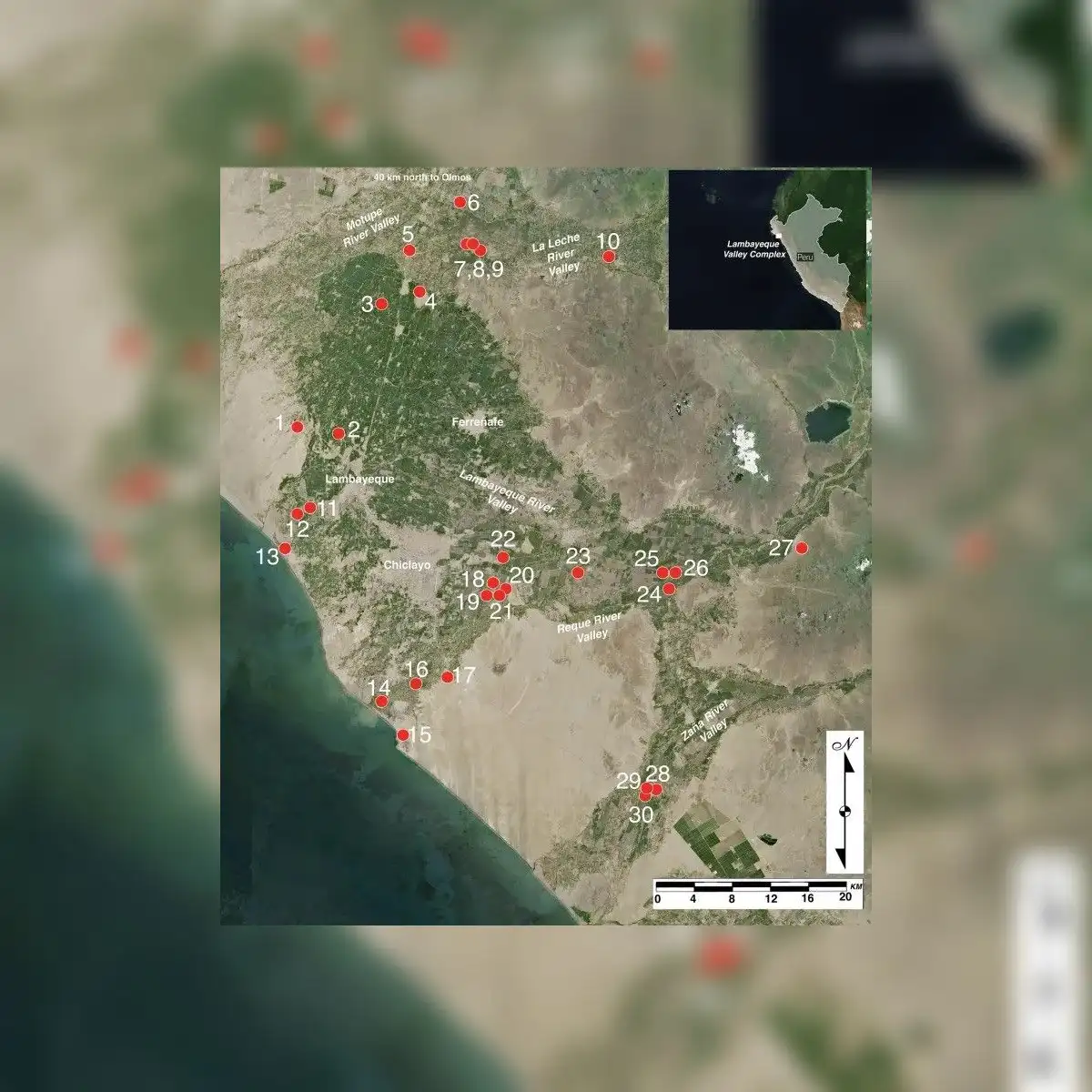
The findings, published in the journal Frontiers in Environmental Archaeology, come from an examination of skeletal remains belonging to 1,633 people recovered from 30 archaeological sites. The two researchers behind the study found few signs of interpersonal violence and identified no statistical relationship between environmental conditions and an increase in assaults or accidents.
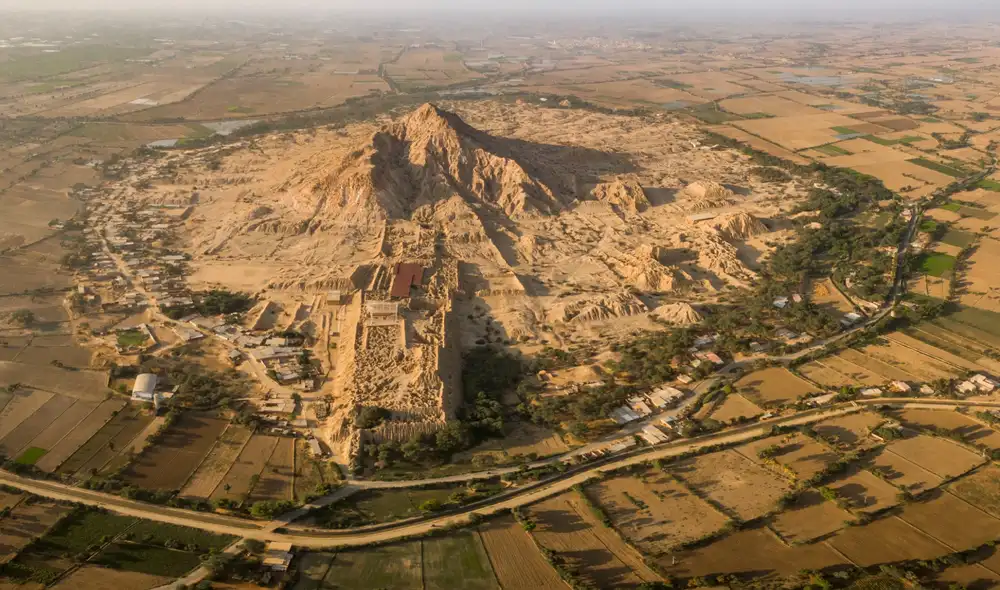
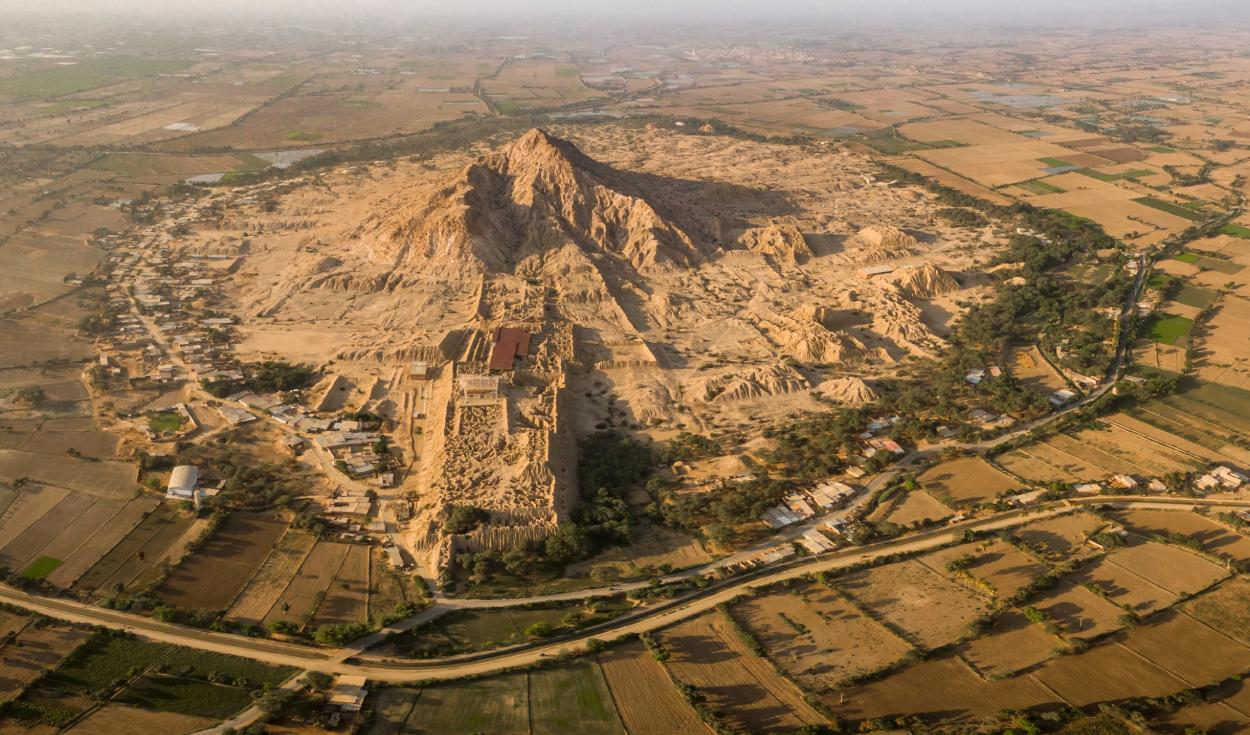
Tucume was a major center in the Lambayeque valley, inhabited over time by several different cultures. The valley sits on Peru's arid northern coast, where ancient communities relied on irrigation canals and coastal resources to sustain large populations for thousands of years.
What the skeletal remains revealed
Researchers Thomas Snyder, of New York University, and Haagen Klaus examined human remains spanning roughly 3,000 years of history, from the Cupisnique culture, which emerged around 1500 BC, through to the final stage of the colonial period.
Within the sample, they identified 25 people with traumatic skull injuries associated with interpersonal conflict. They also found 77 individuals with injuries elsewhere on the body linked to accidents. To assess these injuries, the specialists relied on remains from 1,519 people that were sufficiently well preserved for analysis.
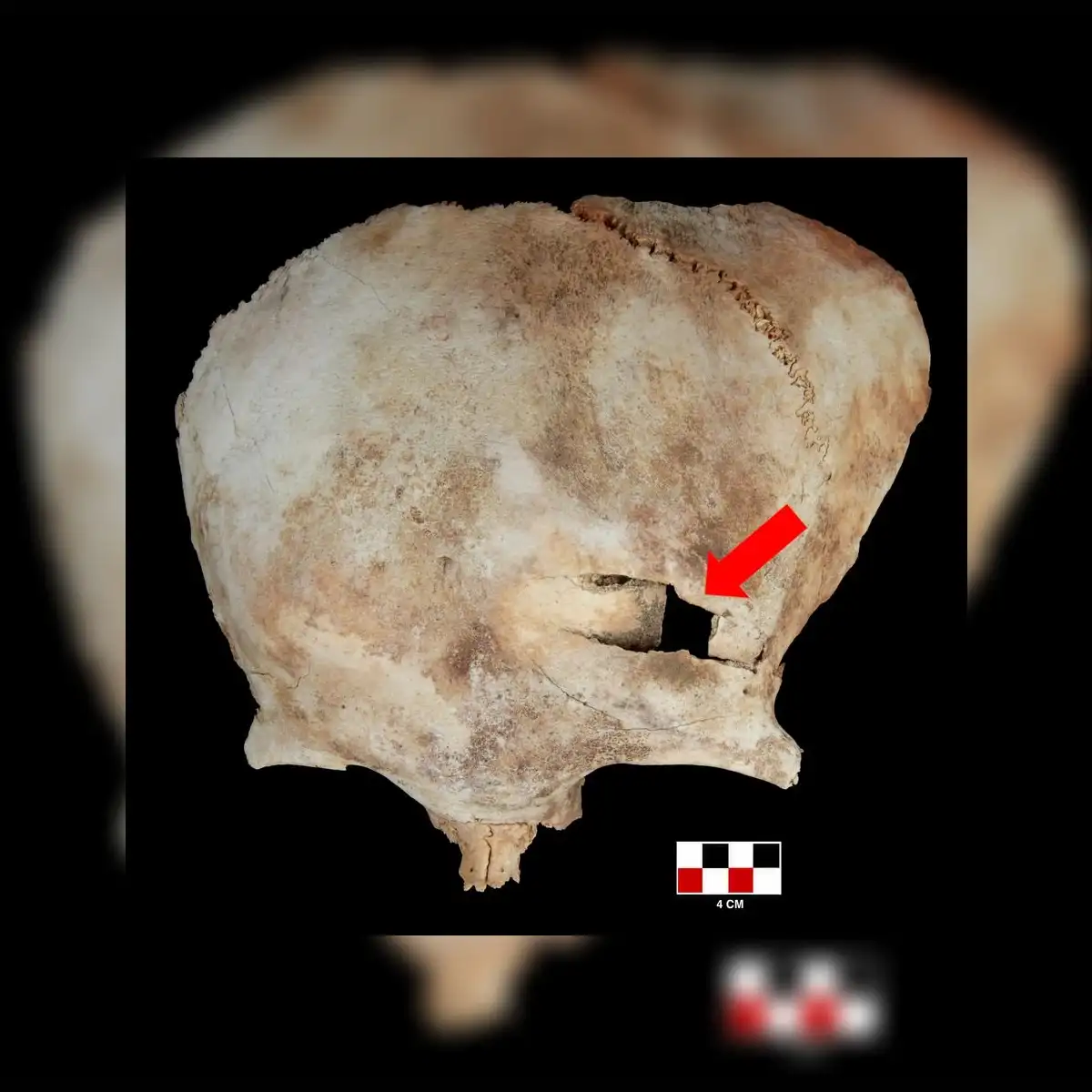
The results showed no statistical relationship between the frequency of El Niño-linked flooding, highland rainfall, and indicators of violence or accidents. That finding contrasted with other sites across the Andes, where skull injuries associated with aggression appear more frequently.
How human sacrifice connected to El Niño
Human sacrifice was part of the ritual practices of several ancient societies in northern Peru. Earlier research linked these episodes to periods of heavy rain and flooding associated with El Niño, particularly during the final stages of the Moche and Sican political systems, two cultures that rose to prominence on Peru's north coast before Spanish colonization.
Haagen Klaus, a bioarchaeologist at George Mason University, said the rulers of both societies may have maintained their authority through the belief that they had the power to intercede with natural forces. According to Klaus, the mass sacrifices carried out before the collapse of those political systems may have represented attempts to restore balance with the supernatural world by offering human lives.
However, researchers cautioned that this association does not prove that every sacrifice episode occurred as a direct response to a specific climate event. The new study set out to determine whether these crisis periods also triggered conflict outside the ceremonial sphere, rather than assuming a direct cause and effect.
Why daily conflict stayed low
The authors suggest that geography played an important role in keeping everyday violence low. Proximity to the ocean would have given communities access to alternative food resources and to trade, factors that may have eased the pressure caused by droughts and agricultural shortages during El Niño events.
Snyder said the findings demonstrate that widespread violence is not an inevitable response to climate change. He also noted that Lambayeque's communities developed creative adaptations to El Niño and other climate shifts over thousands of years.
The specialists also warned that ritual sacrifices did not necessarily reflect the everyday behavior of the wider population. Although episodes of ceremonial violence took place, the remains examined do not show that aggression spread broadly into the daily relationships of ordinary people.