


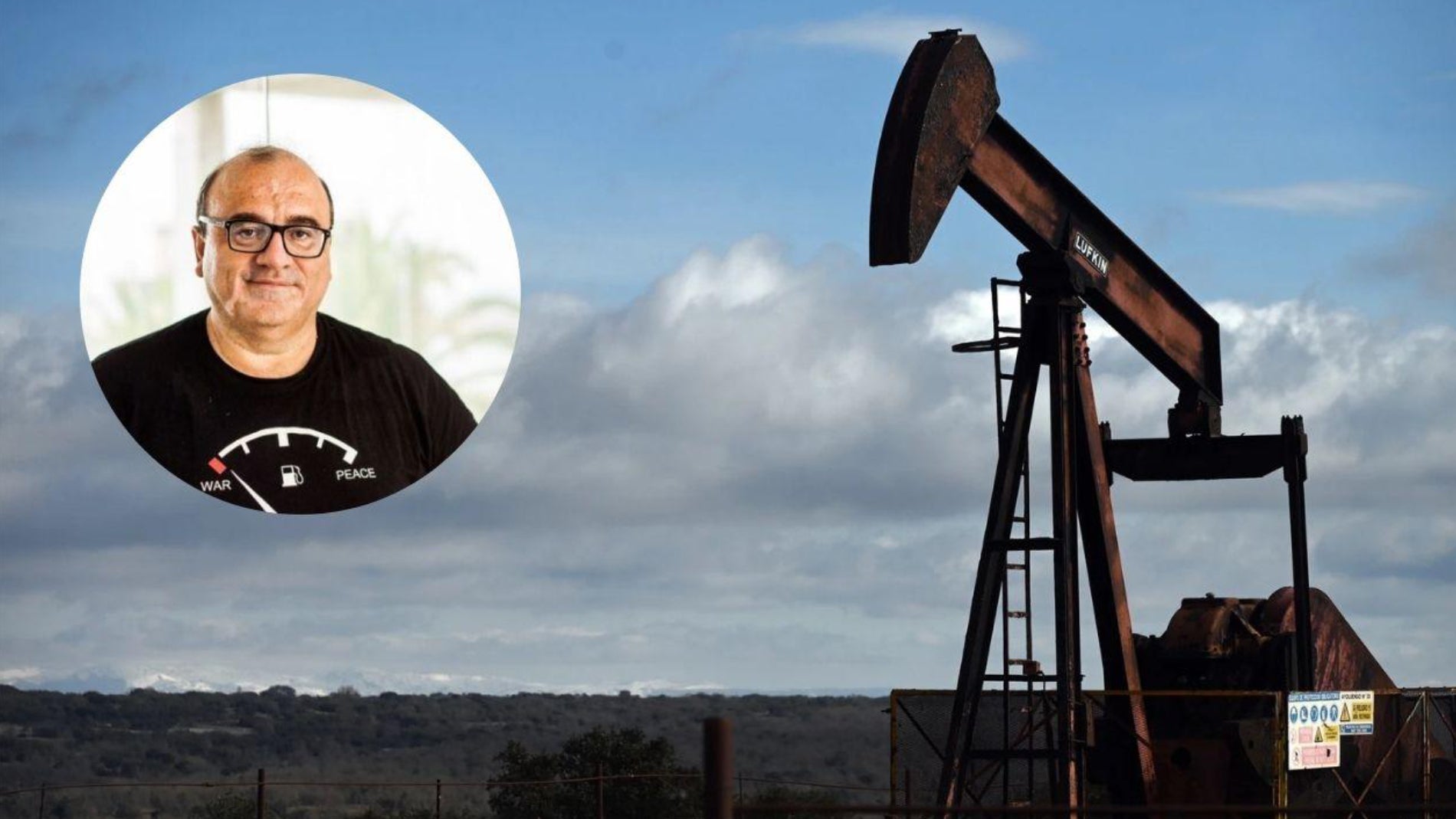
Spanish National Research Council scientist Antonio Turiel has warned that global oil production could drop by 30 percent in the coming years.
Turiel said such a decline would represent a catastrophe of biblical proportions, exceeding the largest drop in oil consumption recorded during the past century.
Antonio Turiel is a senior researcher at the Spanish National Research Council, known officially as the Consejo Superior de Investigaciones Cientificas or CSIC. The Madrid-headquartered agency is Spain's main public organization for scientific research and technological development.
Addressing the global energy outlook, scientists consider the period between 2030 and 2032 a critical timeframe for eliminating society's heavy dependency on petroleum. Researchers around the world are investigating renewable alternatives such as hydrogen fuel and sand batteries, a technology designed to replace oil by transferring hot sand between storage silos.
However, alternative technologies face significant hurdles. A study conducted by Stanford University, a private research university in California, revealed that hydrogen molecules could produce unexpected climate side effects despite their reputation as a clean energy carrier.
Warnings of Crude Oil Decline
Turiel detailed his assessment during an interview on the July 2025 episode of the video podcast Cafe y Puro, hosted by Marcos Ruperez Cerqueda. During the broadcast, Ruperez Cerqueda referenced a report from energy giant Exxon claiming that global oil production would fall by half without ongoing capital investment.
Turiel clarified the industry figures, explaining that Exxon had actually argued production would drop to 30 percent of current levels if investment ceased, representing a 70 percent collapse. Turiel emphasized that even a far smaller 30 percent reduction in global output would trigger severe economic disruption worldwide.
To illustrate the severity of a 30 percent drop, Turiel pointed out that the largest decline in oil production over the last century occurred during World War II, when global consumption fell by 20 percent. World War II, fought from 1939 to 1945, caused massive disruptions to international trade and forced widespread energy rationing.
Unequal Global Fallout and Supply Chains
Turiel emphasized that the impact of declining crude oil supplies will not be felt equally across the globe. He compared the uneven distribution to the effects of climate change, which have caused far more severe environmental disruptions in South American nations such as Colombia and Bolivia than in European countries like Spain.
According to Turiel, global production cuts will be distributed unevenly across different regions. While Spain might experience a manageable 5 percent drop in available crude, other nations could suffer a devastating 50 percent collapse, making the international landscape far more unstable.
Turiel warned that severe instability in hit hard countries could directly endanger European industrial supply chains. Many vulnerable nations facing acute energy shortages are key producers of critical raw materials required by Western economies.
Economic Risks Facing Spain and the Euro
For Spain specifically, Turiel stated that one of the most critical factors in surviving the upcoming energy crisis is maintaining international confidence in the euro. The euro serves as the official currency for 20 European Union member states and acts as a major global reserve currency.
Turiel warned that if foreign markets lose trust in the euro as a reserve currency, Spain will face severe purchasing difficulties. He explained that as long as Spain can buy energy with a strong currency, the worst economic impacts will be shifted to weaker economies, but a loss of euro credibility would leave Spanish consumers paying the same high costs faced by developing nations.
Outlining the timeline of the energy downturn, Turiel stated that the downward trajectory in oil production will continue steadily through 2030. He noted that the decline in conventional crude oil began as early as 2005 with an initial 14 percent drop.
When factoring in all liquid fuels, Turiel explained that the production curve began sloping downward in 2018 with a 3 percent loss. Although a 3 percent drop appears small, Turiel stressed that production has stopped growing entirely, creating persistent economic challenges.


