Maritime archaeologists in Sweden have raised a sixteenth-century wooden barrel from a Baltic Sea shipwreck, revealing an ingenious method merchants used to navigate customs inspections.
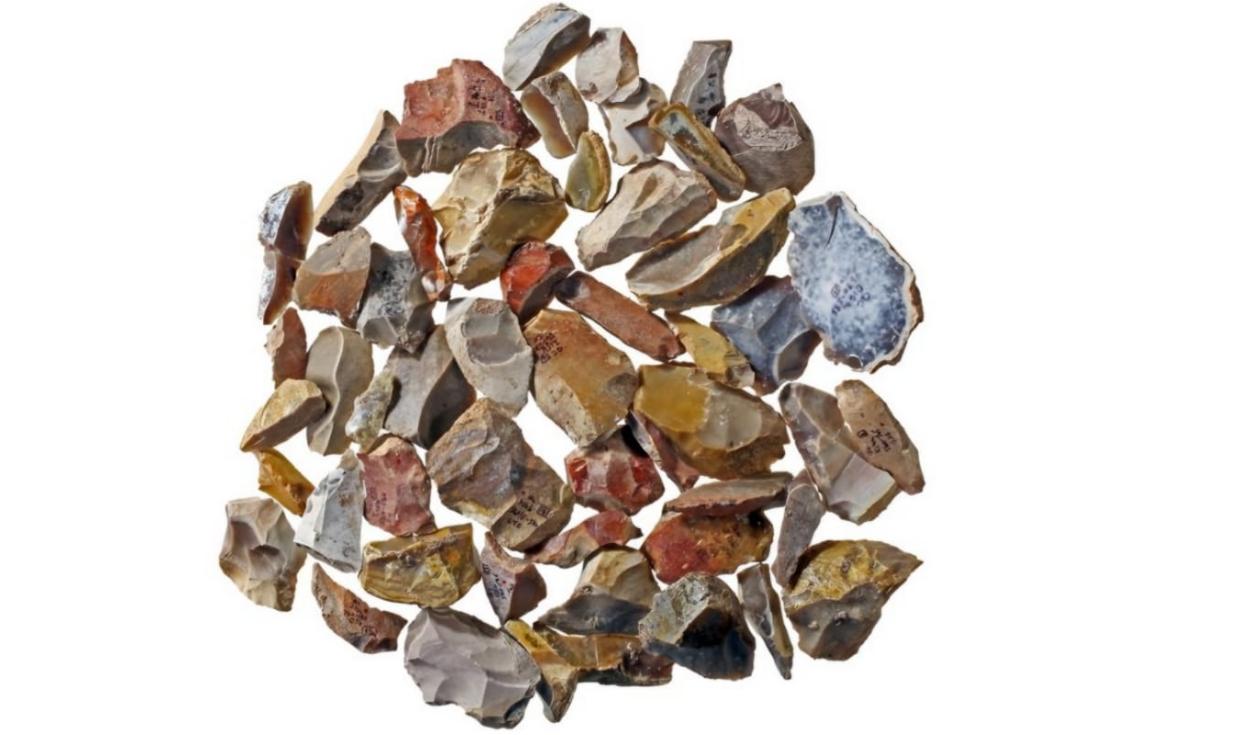
The barrel, recovered from a merchant vessel that sank around 450 years ago, was packed with roughly 380 pieces of iron weighing 127 kilograms.
Researchers reported that the construction of the barrel, rather than just its heavy metal cargo, provided the most striking breakthrough. Scientists believe traders deliberately designed the containers so customs officials could open them quickly to inspect the contents without damaging the shipment.
The discovery was reported by the archaeological publication Arkeonews following an extensive analysis of the container. Divers originally found the wreck in 2017 at a depth of about 28 metres near Dalaro, located in the Stockholm archipelago. Because of its large cargo of metal, researchers named the vessel the Osmundvraket.
Cargo on the Osmundvraket
The ship measures approximately 20 metres in length and still holds at least 20 barrels visible in the hull. Researchers estimate that the vessel carried between 40 and 50 barrels in total when it went down in Baltic waters.
Most of these containers held small lumps of iron known as osmond, a staple of regional trade during the era. From the Middle Ages until the early seventeenth century, osmond iron served as one of Sweden's principal export commodities. These semi-processed metal pieces were shipped across northern Europe to be forged into higher quality iron for tools and other metal goods.
Dendrochronological tests on timber samples taken from the ship helped establish the timeline of the doomed voyage. Tree-ring analysis identified wood dating to the 1540s, alongside timber felled in Finland around 1553, leading scientists to conclude that the ship sank in the 1560s.
Laboratory examination of the barrel
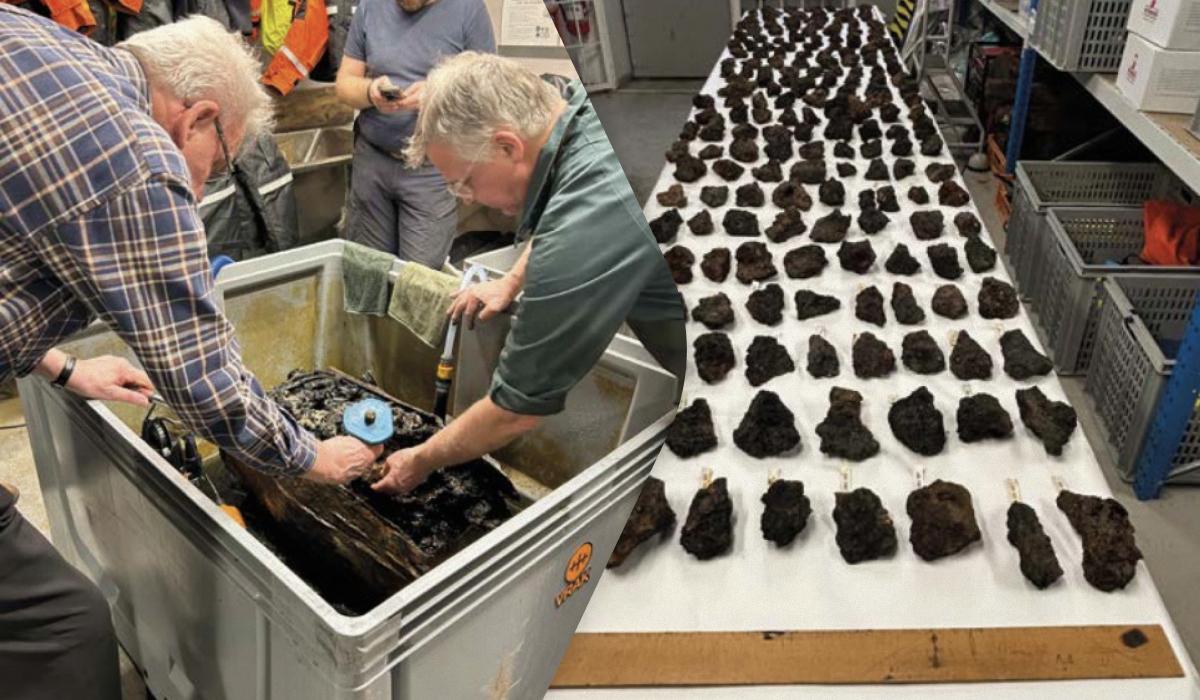
Maritime archaeologists from the Vrak Museum of Wrecks in Stockholm raised one of the barrels to the surface in May 2024. Throughout 2025, a specialized research team conducted a detailed investigation into the wooden container and its contents.
Archaeologist Gert Magnusson and conservator Max Jahrehorn carefully dismantled the wooden staves in a laboratory to extract the iron safely. The team counted about 380 pieces of osmond iron inside, confirming a combined weight of 127 kilograms. Specialists weighed, measured, and documented each piece individually to record the exact dimensions and mass of the cargo.
The thin wooden construction of the container led researchers to hypothesize that it was manufactured for single-use transport. The Vrak Museum noted that the specific design also made it harder for merchants to cheat officials regarding the true nature of their cargo. Although researchers have not yet established the exact method used to open the barrels, the structure allowed inspectors to examine goods efficiently.
Tracing the origin of the iron
The research team now plans to analyze the quality of the iron in detail. By examining trace elements within the metal, scientists hope to determine the exact regions where the iron was produced.
Experts noted that the find demonstrates how the historic iron trade involved far more than mining and sailing. Packaging methods and customs verification systems played a vital role in keeping northern European trade moving smoothly.