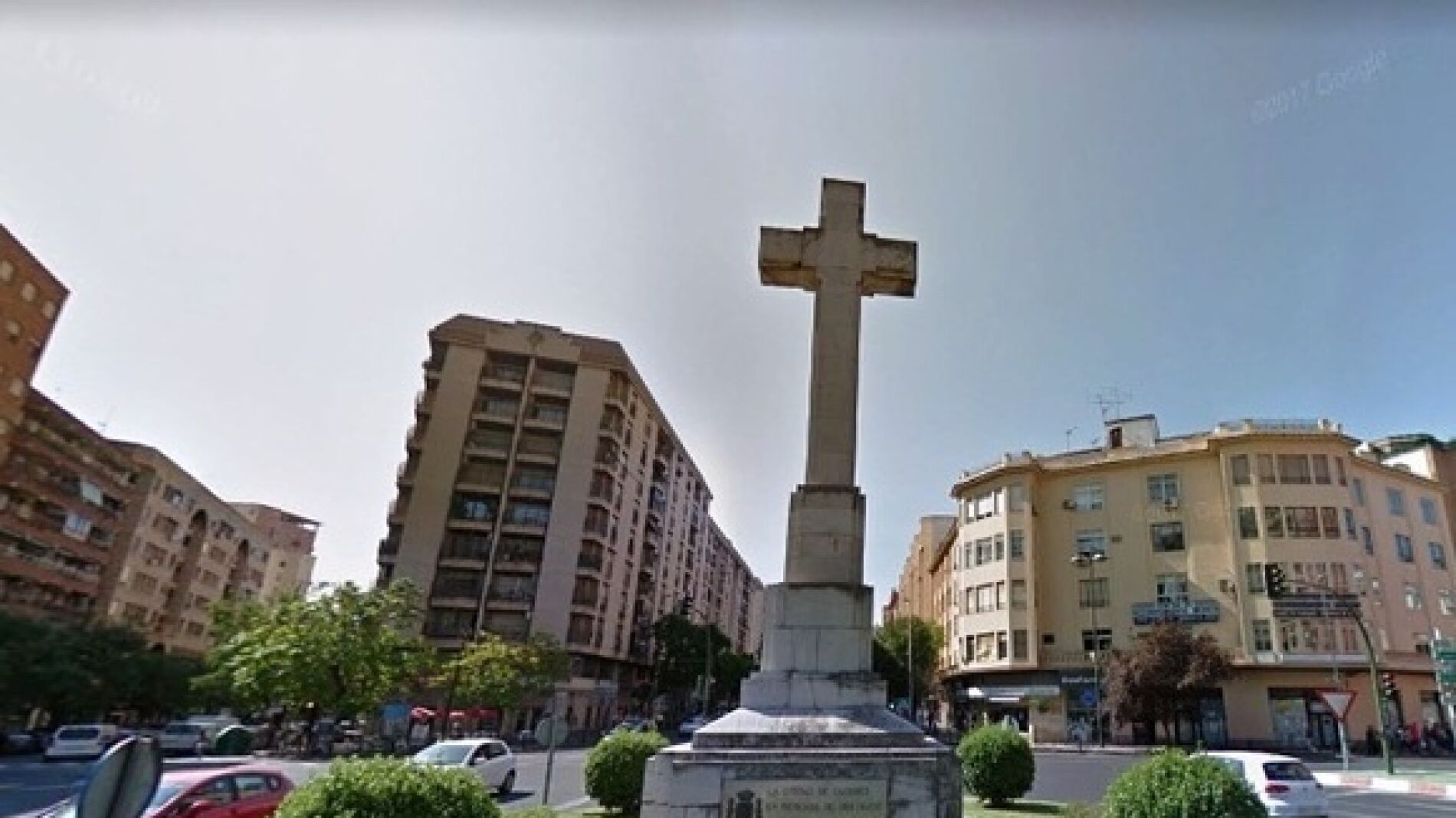
The regional government of Extremadura has initiated proceedings to protect the Cross of the Fallen monument in Cáceres as a site of cultural interest. The decision automatically grants temporary protection to the stone monument in Plaza de América, halting its scheduled removal by central Spanish authorities.
The resolution, published in the Official Journal of Extremadura, was signed on August 12 by Laureano León, the regional minister of culture, tourism and sports. The measure opens a one-month public consultation period for allegations prior to a final decision on its status as a protected monument.
The regional action comes days before an August 25 deadline established by Spain's Secretariat of State for Democratic Memory. On May 25, the central department confirmed the cross's inclusion in the official catalogue of symbols contrary to democratic memory and ordered its removal from public space within three months.
The federal removal order prompted legal actions from both the Cáceres municipal government and the political party Vox. Spain's high court, the Audiencia Nacional, admitted an appeal against the monument's removal for processing on July 1.
Preserving the monument was a key condition set by Vox during negotiations for a regional governing agreement with Extremadura president María Guardiola. The Cáceres City Council joined Vox in the lawsuit, maintaining that the cross serves as a popular meeting point for local citizens and is free from dictatorial ornamentation.
Historical origins and constitutional modifications
The monument originated from a municipal agreement passed on September 9, 1937, during the Spanish Civil War, and was officially inaugurated in May 1938 as a tribute to fallen soldiers. However, a major municipal intervention carried out in 1984 substantially altered its public presentation by removing all explicit inscriptions and references exalting the regime of General Francisco Franco.
The regional culture ministry noted in its resolution that the 1984 alterations endowed the monument with a new meaning aligned with constitutional values. Authorities stated that its current heritage value should be viewed as separate from its original commemorative purpose, focusing instead on its formal architectural geometry, visual prominence, and standing in local urban memory.
Under Spanish heritage legislation, initiating a declaration for a site of cultural interest requires formal notifications to affected parties, the Cáceres municipal council, and the Ministry of Culture's general register for preventive annotation, followed by publication in the official state gazette.
Public support and signature campaigns
The campaign to preserve the landmark gathered nearly 70,000 signatures from two citizen organizations. The Spanish Association of Christian Lawyers collected 57,800 signatures in 2020 calling for the monument to remain in place.
Conservative organization Hazte Oír gathered more than 10,000 signatures, urging the regional executive to launch the protection file before the scheduled removal date. The group welcomed the decision as a major milestone for its campaigns in Extremadura, following its earlier effort to save another cross in Madrid's Plaza de Lima.
The monument will remain protected during the one-month public consultation period while legal proceedings before the Audiencia Nacional continue.