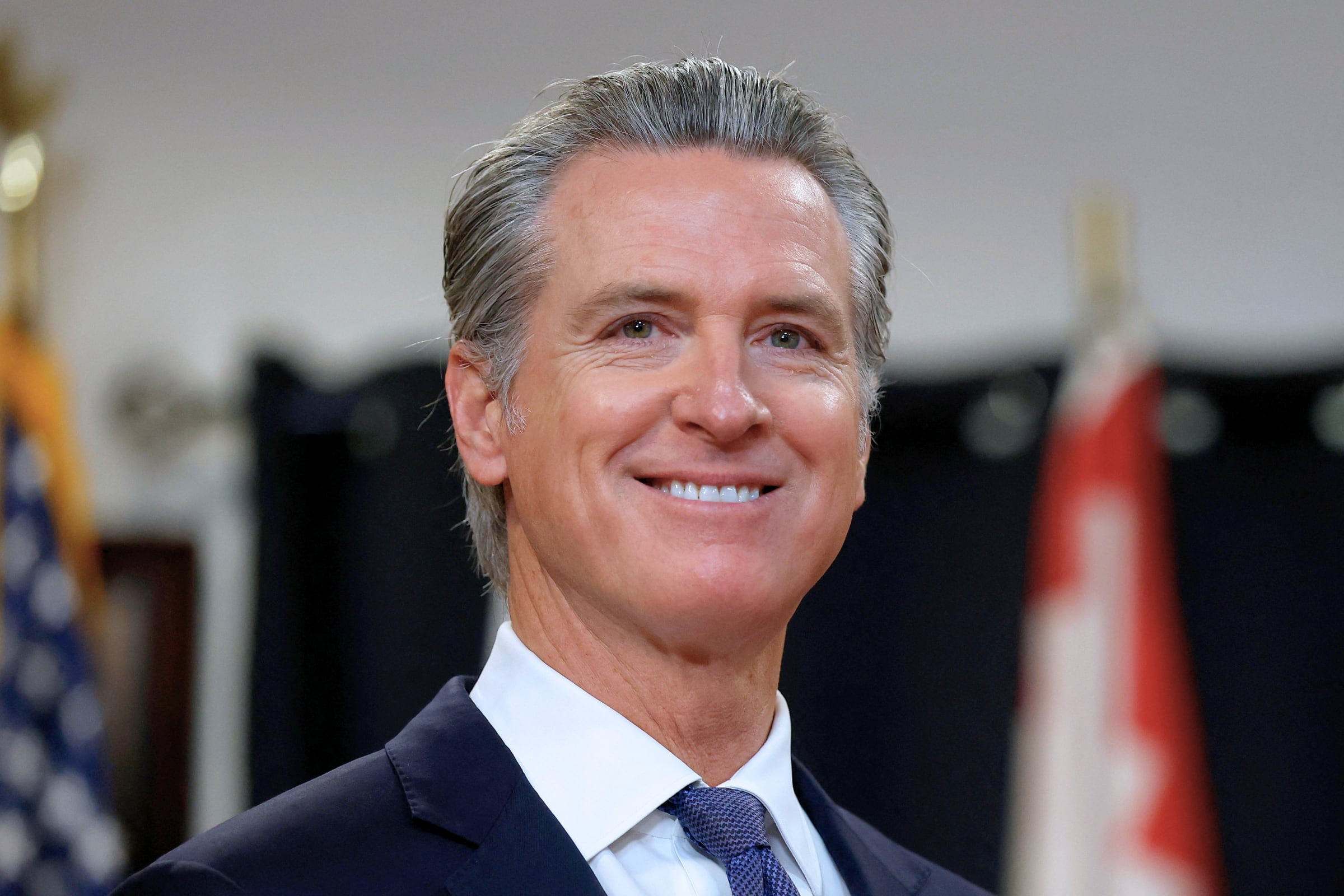
Governor Gavin Newsom has signed Senate Bill 169, a law that significantly expands California's mobile driver's license program and eliminates a broad range of paper-based processes at the state Department of Motor Vehicles.
The most significant change under the law is an expansion of the Mobile Driver License program, known as the mDL. A pilot program that launched in August 2023 had been capped at 15 percent of licenses in circulation. SB 169 raises that limit to 60 percent, making digital identification available to millions of additional Californians.
More than 3.5 million residents have already requested the mDL since the pilot began, a sign of growing confidence in the format. The digital license is stored on a smartphone and can be presented at police checkpoints, student housing access points, and other establishments that accept mobile identification.
Workers in rideshare, delivery, and tourism stand to benefit from being able to manage their documents by phone, reducing the time they lose on routine DMV visits during working hours. Young people who both work and study can use the mDL to move more easily between campuses, internships, and jobs. Families that share a vehicle among multiple members may also find the digital format more practical.
The shift is also expected to benefit communities with limited access to public transportation, for whom in-person DMV visits have been a recurring obstacle.
Other changes at the DMV
SB 169 eliminates bulk postal mailings for certain official notices, ends the requirement to print physical driver's manuals, and modernizes how the department sends renewal reminders and fine notifications. The changes are intended to cut bureaucracy, simplify internal administrative processes, and lower operational costs for the state.
The California DMV has also added new security technology. The department has incorporated generative artificial intelligence to improve operations, QR code systems to manage queues, and new digital barcodes on credentials to fight identity fraud. The mDL is compatible with digital wallets and includes security layers designed to protect personal data and user privacy.
Beyond the DMV, SB 169 contains provisions tied to the state's 2026-2027 budget. The law extends relief measures for public transit operators and calls for road infrastructure work in preparation for the 2028 Los Angeles Olympic and Paralympic Games. Additional provisions aim to make state administration more efficient and less costly.
California has been expanding digital government services for several years, allowing residents to handle tasks that once required long waits and in-person visits. SB 169 continues that shift, moving a larger share of driver's license management to the phone.