

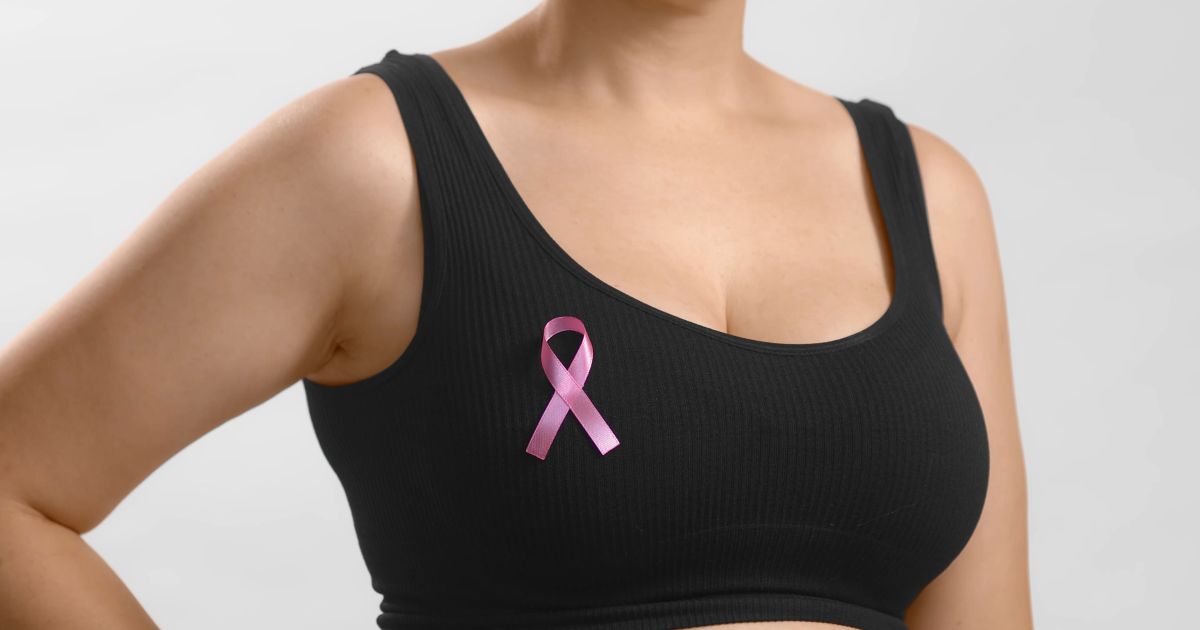
Brazil's National Cancer Institute (INCA) has found that the financial burden of cancer treatment is hitting Brazilian households especially hard, as cases of breast, cervical, uterine and ovarian cancer rise among women and nearly half of the country's homes are now headed by a woman.
Dr. Ramon Andrade de Mello, an oncologist at the Centro Medico Paulista High Clinic Brazil, said a single chemotherapy session can cost up to 10,000 reais, and that a full course of 12 cycles can add up to around 120,000 reais.
INCA is Brazil's federal agency responsible for cancer research, prevention and treatment policy, and it regularly publishes national estimates of new cancer cases to guide public health planning.
According to INCA's estimates, breast cancer is the most frequent cancer among Brazilian women, with an official projection of 78,610 new cases a year for the 2026 to 2028 period. Excluding non-melanoma skin tumors, breast cancer is the most common cancer diagnosed in the country. Other diagnoses, including cervical cancer, cancer of the uterine body and ovarian cancer, also showed increases in the institute's projections.
The effects of these diseases are not limited to women's health, according to the study; they also reshape the financial dynamics inside homes during treatment. The finding draws on an analysis of the 2022 Demographic Census Panorama, published by IBGE, the Brazilian Institute of Geography and Statistics, which found that 49.1% of Brazilian households, about 36.6 million homes, are headed by a woman. That share stood at 38.7% in 2010, marking a sharp rise in just 12 years.
Work absence and income loss
Dr. Mello said the cost of running a household depends on each person's social class, but that most of the Brazilian women affected earn only about two minimum wages, a level of income that often forces patients to turn to public resources such as pensions to cover their expenses.
He said this financial strain compounds the fact that women with cancer often need to take leave from work when undergoing chemotherapy, because of side effects, infection risk and other factors that can leave a patient too unwell to continue working.
Rise in cancer cases in Brazil
INCA's estimates for the 2026 to 2028 triennium point to increases across several cancers affecting women, each with a projected number of new cases per year and an estimated risk per 100,000 women, broken down by region.
Breast cancer: 78,610 new cases a year, with an estimated risk of 71.57 cases per 100,000 women. The highest estimated risk is in the Southeast region, at 88.29 per 100,000 women, followed by the South (77.91 per 100,000), the Central-West (61.32 per 100,000), the Northeast (58.02 per 100,000) and the North (31.28 per 100,000).
Cervical cancer: 19,310 new cases a year, with an estimated risk of 17.59 cases per 100,000 women. Excluding non-melanoma skin tumors, it ranks sixth among the most common cancers overall and third among cancers affecting women specifically. It is the second most common cancer in the North (22.79 per 100,000) and Northeast (20.76 per 100,000) regions, third in the Central-West (19.58 per 100,000), fourth in the South (17.72 per 100,000) and fifth in the Southeast (14.06 per 100,000).
Cancer of the uterine body: 9,650 new cases a year, with an estimated risk of 8.79 cases per 100,000 women. It ranks 16th among the most common cancers overall and sixth among cancers in women. It is the sixth most common cancer in the Southeast (11.54 per 100,000) and Central-West (7.92 per 100,000), eighth in the Northeast (7.28 per 100,000), tenth in the South (7.49 per 100,000) and 11th in the North (3.15 per 100,000).
Ovarian cancer: 8,020 new cases a year, with an estimated risk of 7.33 cases per 100,000 women. It ranks 19th among the most common cancers overall and eighth among cancers in women. It is the seventh most common cancer in the Southeast (8.05 per 100,000), Northeast (7.43 per 100,000) and North (4.30 per 100,000), eighth in the Central-West (6.10 per 100,000) and ninth in the South (7.55 per 100,000).
SUS, treatment and access to technology
Advanced cancer treatments often require technologies such as radiotherapy, stereotactic radiosurgery or Gamma Knife equipment, which performs virtual stereotactic surgery without opening the patient. Brazil's public health system, known as SUS, does not offer the resources needed for these treatments, meaning many women end up paying for them out of their own pockets.


