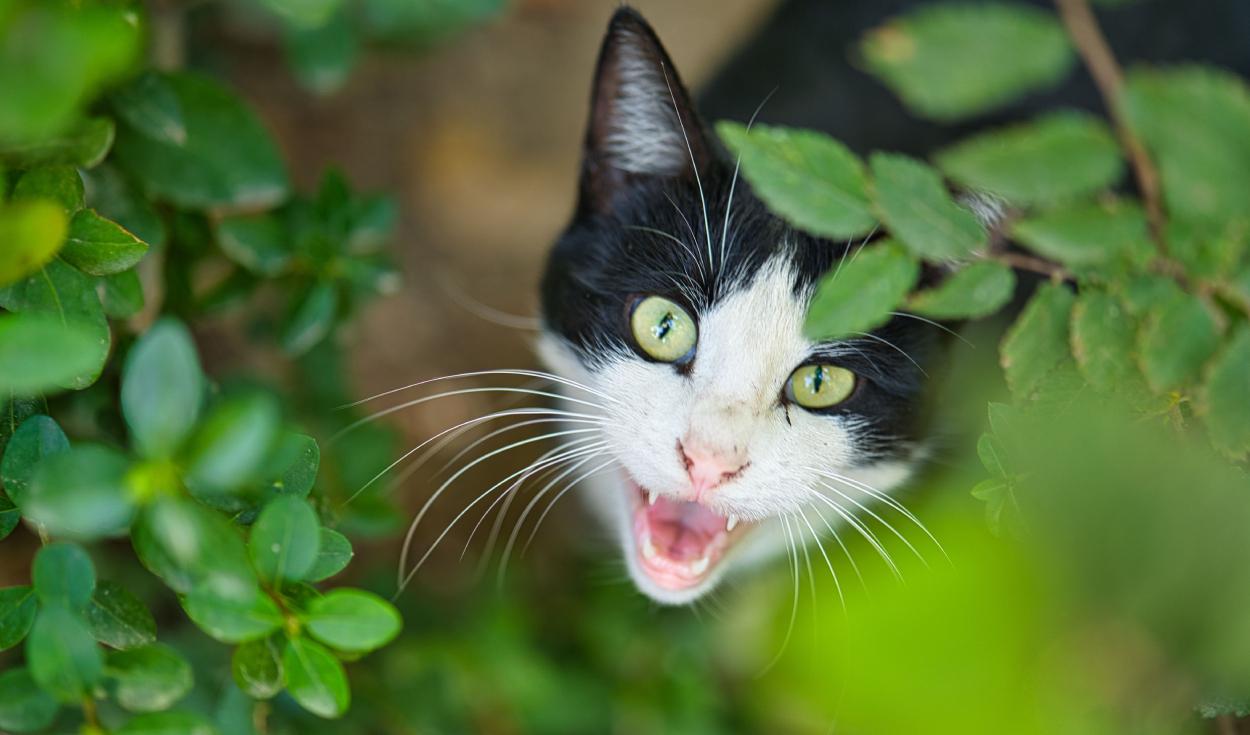
Cats meow far more often when their owners are nearby and able to step in to solve a problem, according to a study by researchers at the University of São Paulo in Brazil. The findings suggest the animals use the sound specifically to capture a person's attention and prompt a response, rather than simply to express hunger or discomfort.
The study, published in the scientific journal Animal Behaviour, examined the reactions of 38 domestic cats to a problem they could not solve on their own: a treat sealed inside a small plastic box. The results showed a marked difference between cats that had human company and those left alone, adding new evidence on how cats communicate with people.
How the experiment worked
The research team, led by Naila Fukimoto of the University of São Paulo, recruited 38 cats whose owners had reported that their pets tended to meow frequently, particularly around food. To test their reactions, the researchers placed a treat inside a plastic container with small holes cut into it.
The cats could smell the food and knew exactly where it was, but they had no way of getting it out themselves. They needed a person to open the box for them to reach the reward.
Researchers then observed each cat's behaviour for one minute under two separate conditions: once with a human present and paying attention, and once with no one else in the room. Comparing the two let the team see whether having a person nearby changed how the cats responded to the obstacle.
Meowing jumped sharply when owners were present
The difference was considerable. When a person was in the room, the cats produced 86 meows in total. When they were left alone, they produced just 20. Statistical analysis showed the cats were more than 16 times more likely to vocalise when a human was present.
Beyond counting the sounds, the researchers also tracked where the cats directed their attention. On many occasions, the animals looked straight at the person and then shifted their gaze back and forth between the person and the container holding the food. The researchers said this pattern indicates the meows had a specific intended recipient rather than being mere expressions of frustration.
Do cats know their owners can solve the problem?
The researchers said the results support the idea that meowing serves a communicative function in interactions between cats and humans. In their paper, they noted that most of the vocalisations were directed at a specific receiver, a feature consistent with using signals to try to get a response.
The experiment does not, however, prove that the cats consciously understood their owners were capable of resolving the problem, nor does it mean every meow amounts to a deliberate request. The scientists cautioned that the sample size was small and that the cats were selected specifically because they had a history of meowing frequently around food, which may limit how broadly the findings apply to cats in general.