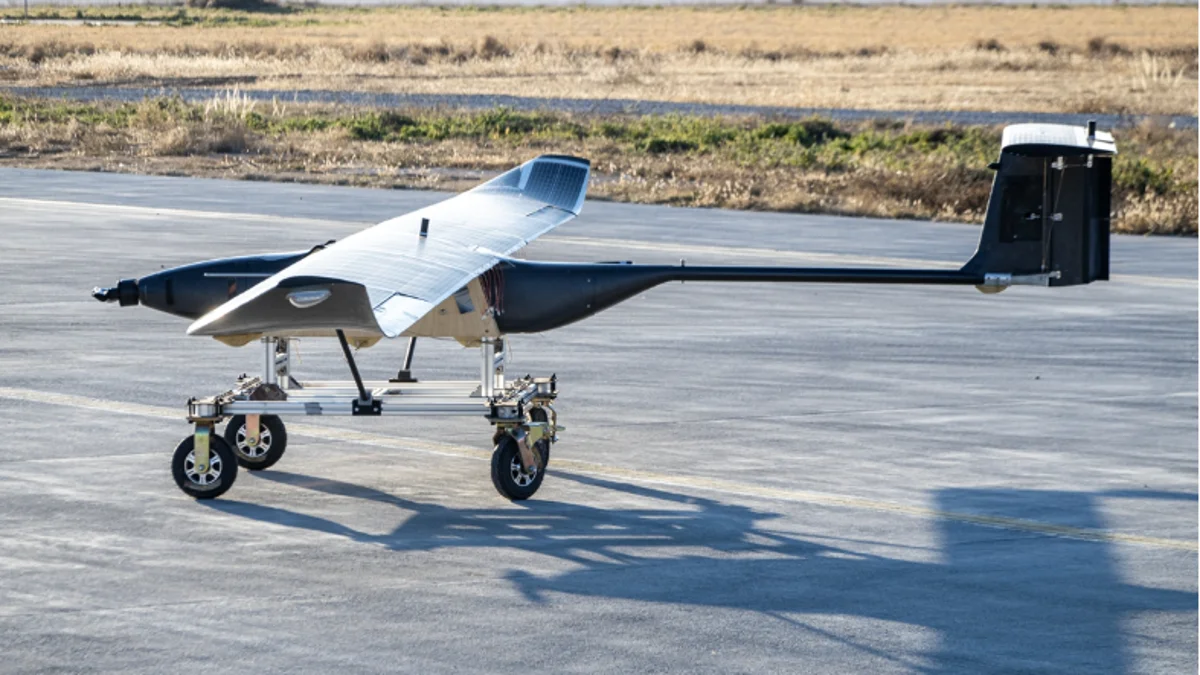
China Aerospace Science and Technology Corporation (CASC) has completed the first test flight of a solar-powered drone called the Light Cavalry, which the company says is designed to stay airborne for up to 30 hours without refuelling or recharging.
CASC is one of China's largest state-owned aerospace conglomerates, best known for building the country's space launch vehicles, satellites and missile systems. According to its developers, the Light Cavalry is not meant to replace large aircraft or act as a satellite, but to open a new category of uncrewed aircraft capable of watching vast areas for long periods.
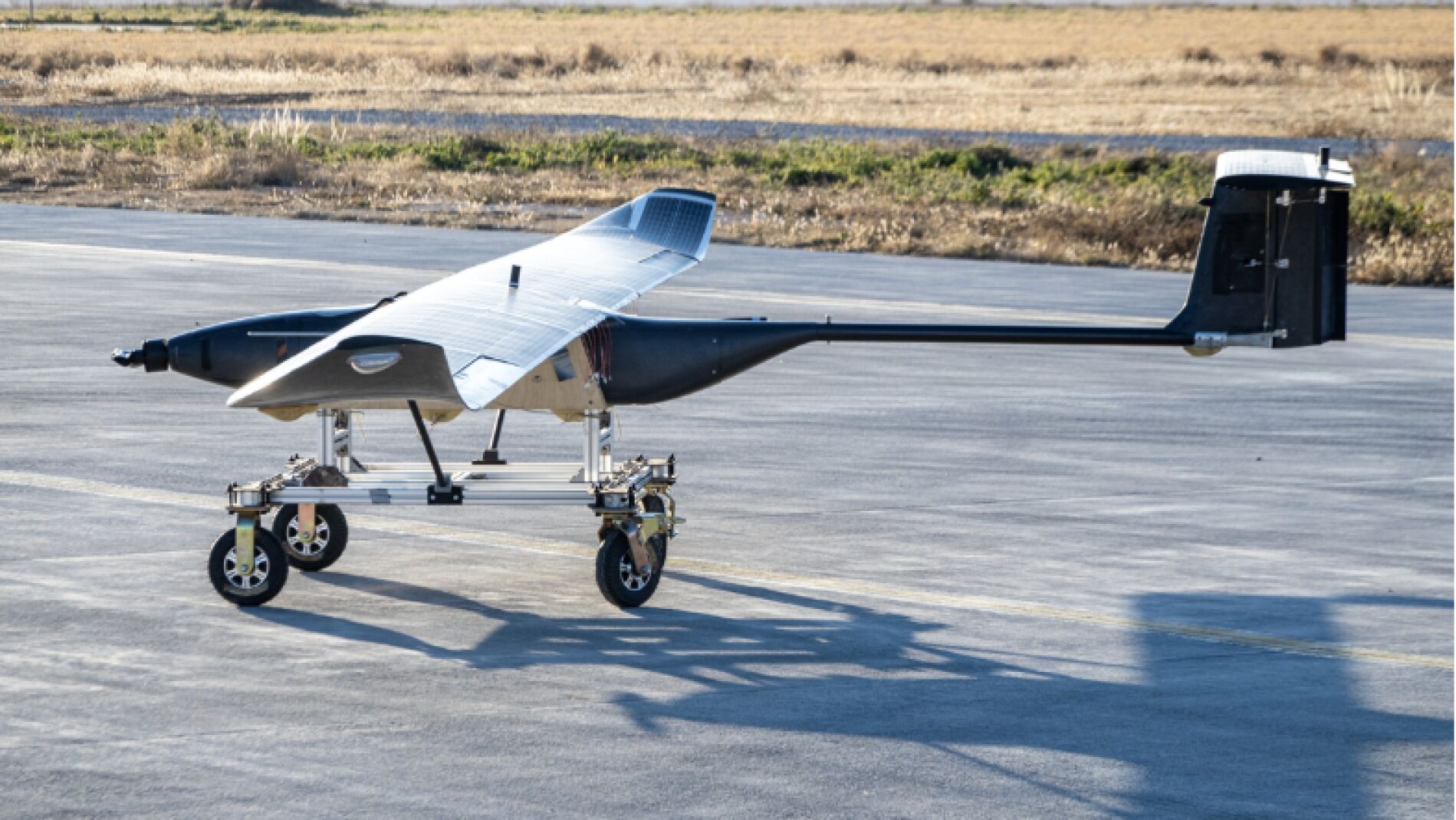
The aircraft, which has a wingspan of eight metres, took off on November 11 from an airfield in northwest China. CASC said the test covered the full sequence of takeoff, climb, circular flight and landing, and was used to check the drone's control systems, avionics and energy storage, along with its stability and behaviour in flight.
A target, not yet a proven record
The figure drawing the most attention is the drone's planned endurance of up to 30 hours in the air. CASC has been clear that this is a design target rather than a result demonstrated during the inaugural flight.
The Light Cavalry measures 3.2 metres in length, has a maximum takeoff mass of 45 kilograms and can carry more than five kilograms of equipment. Its planned operating ceiling is 7,000 metres, high enough to fly above much of the weather that disrupts low-altitude flights, though not high enough to make it a stratospheric aircraft.
How the drone gets its power
The Light Cavalry draws its energy from photovoltaic cells built into its wings. During daylight, the panels power the electric motors and onboard systems while also storing surplus energy so the aircraft can keep flying once the sun goes down.
That setup removes the need for conventional fuel and lets the drone stay airborne far longer than typical battery-powered drones, which usually have to land and recharge after a few hours at most.
Striking that balance is delicate: the aircraft needs enough electricity from the sun to move itself and run its instruments, while also setting aside power to last through the night. That challenge is why solar drones tend to be large, since more wing area means more room for panels and more energy captured. Shrinking the design forces engineers to make the solar cells, batteries, motors and electronics light and efficient enough that the aircraft's own weight does not consume the power it is trying to save. CASC's developers believe the Light Cavalry can fill a gap that has had less attention until now, that of small and medium-sized solar aircraft built for commercial work.
No runway needed
Another feature of the Light Cavalry is how it leaves the ground. Instead of a conventional runway, it uses a launch system mounted on a vehicle. CASC said ground preparation takes about 20 minutes.
That could make the drone useful in mountainous terrain, along coastlines, in remote regions or in areas hit by disasters, where deploying a conventional aircraft can be difficult.
Possible uses for the aircraft
The Light Cavalry's modular design allows its equipment to be swapped depending on the mission. It can carry electro-optical cameras, detection instruments or communications gear.
Among the applications CASC has pointed to are inspecting pipelines and power lines, monitoring reservoirs, mapping, tracking natural resources and assessing damage after floods, earthquakes or fires. It could also work as a communications relay in places where ground infrastructure has been damaged.
What still has to be proven
Several questions remain open. It has yet to be confirmed whether the drone can reach the 30 hours of endurance announced, how much equipment it can carry during a prolonged mission, and how it responds as solar radiation, wind or temperature change. No prices, commercial certification or delivery dates have been announced.
If the Light Cavalry meets its targets, CASC believes solar power could become a practical option for work that requires observing large areas over many hours. It would not be a drone that flies forever, but one capable of staying in the air for more than a day without burning fuel, a difference that could change the economics of surveillance, infrastructure inspection and emergency response.