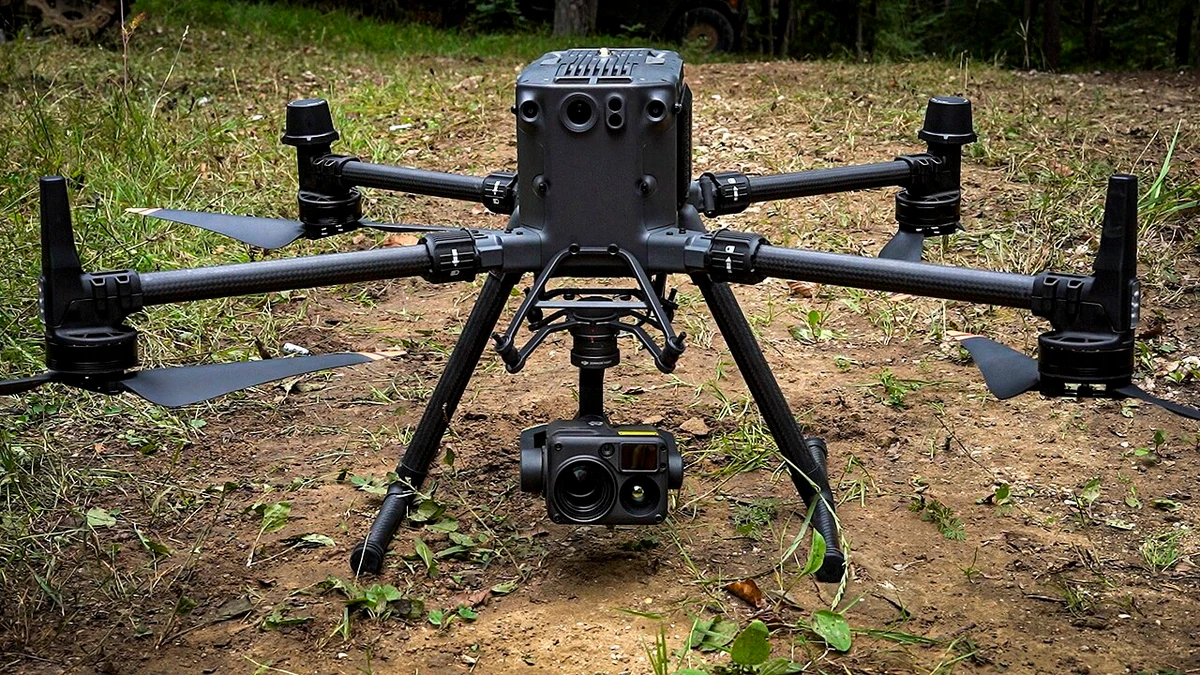
Colonel Richard Ryan Bell of the US Army's 101st Airborne Division said company commanders in his brigade used to avoid flying the Raven reconnaissance drone because it was too expensive to risk losing, a fear that shaped how often troops actually trained with it.
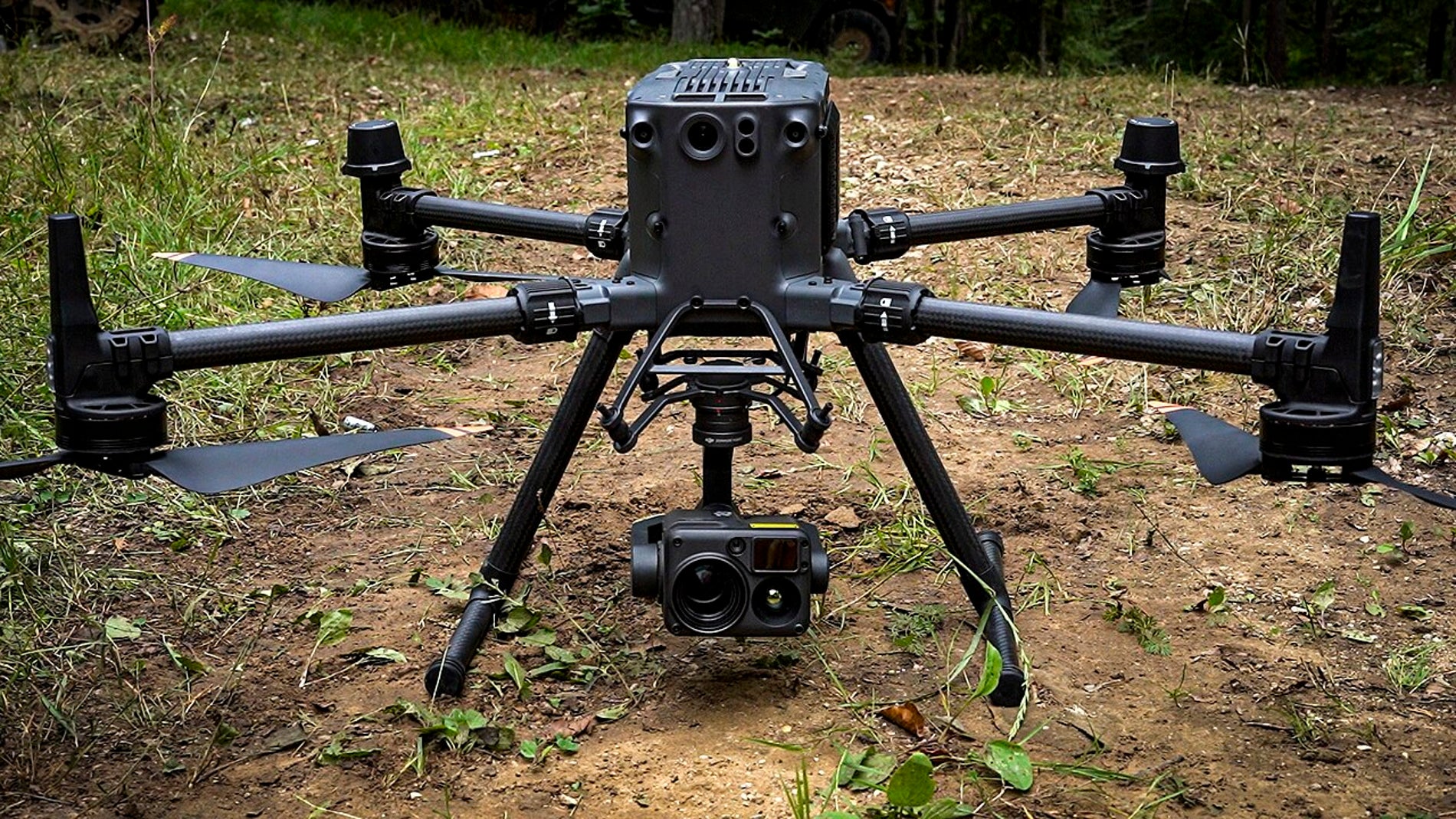
Bell said company commanders were afraid of losing the Raven because it was so expensive, so they did not fly it. He made the comment in a conversation with journalists published by the US Army. Bell commands the 101st Airborne Division's 3rd Mobile Brigade Combat Team, and used the memory of the Raven to describe a shift in how the division now approaches uncrewed systems.
Bell's point of comparison today is the A101, a drone he estimated the division can build itself for about $750. The cost difference, he said, is central to the change his brigade is testing: a tool cheap enough to replace does not have to be protected from use.
The 101st Airborne Division, nicknamed the Screaming Eagles, is one of the US Army's most storied units, known for its parachute assault into Normandy on D-Day in 1944 and for later operations including in Afghanistan and Iraq.
An Inventory Built to Be Used
Bell said his unit brought more than 500 drones to an April training rotation at the Joint Readiness Training Center, including more than 225 single-use aircraft from the PBAS program, most of them built by the division itself. He noted these were exercise figures, not a record of use in actual combat.
The Joint Readiness Training Center, run by the US Army in Louisiana, puts brigades through simulated combat scenarios to prepare them for deployment.
Producing drones close to the people who use them lets the brigade link training, maintenance and availability, Bell said. Other programs, such as robots carried into position by drones, are exploring new ways to deploy equipment, but Bell's focus is on the ability to replace losses quickly. If every lost drone strains a budget or leaves a company without a replacement, it also changes how much troops can practise with them.
Bell estimated that a company could need around 20 single-use drones a day, and that a brigade might use between 1,000 and 1,500 a week in sustained combat. He described this as a forecast of needs rather than a consumption rate confirmed under those conditions, but said it helps explain why unit cost matters so much.
The question covers very different systems, Bell said. Ground vehicles such as the Nerekhta combat robot and small aerial drones serve different purposes and carry different price tags. For that reason, he said, the number of platforms in an inventory is only useful when considered alongside each system's mission, availability and the effort needed to keep it running.
Technology Is Changing Training Too
Bell did not present the new equipment as a replacement for basic soldiering skills. He described training that starts without digital tools and adds them later. Rather than showcase autonomous aerial missions, he said his approach focuses on preparing soldiers to interpret information themselves and keep working when a system stops being available.
He also described using artificial intelligence to process about 25,000 observation reports over ten days of a training exercise. Organising that volume of data is a different task from the detection work carried out by platforms such as the K3 Scout vessel, but Bell said both depend on making information usable for decision-makers who have limited time and resources.
The contrast between the Raven and the A101, Bell said, captures a concrete question: which equipment can be used routinely without its possible loss paralysing the unit. He described his figures as drawn from his unit's own experience and estimates. The remaining test, he said, is sustaining that availability at scale, with enough aircraft, trained personnel and an organisation able to absorb equipment losses.