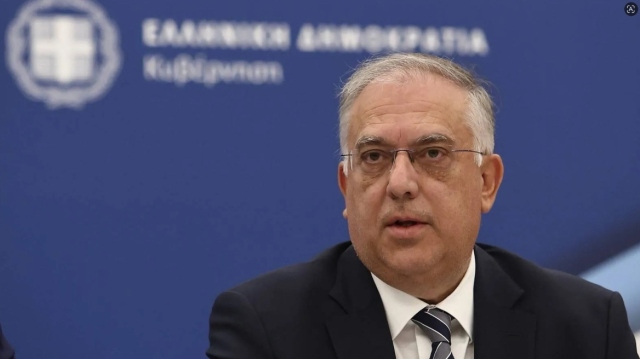
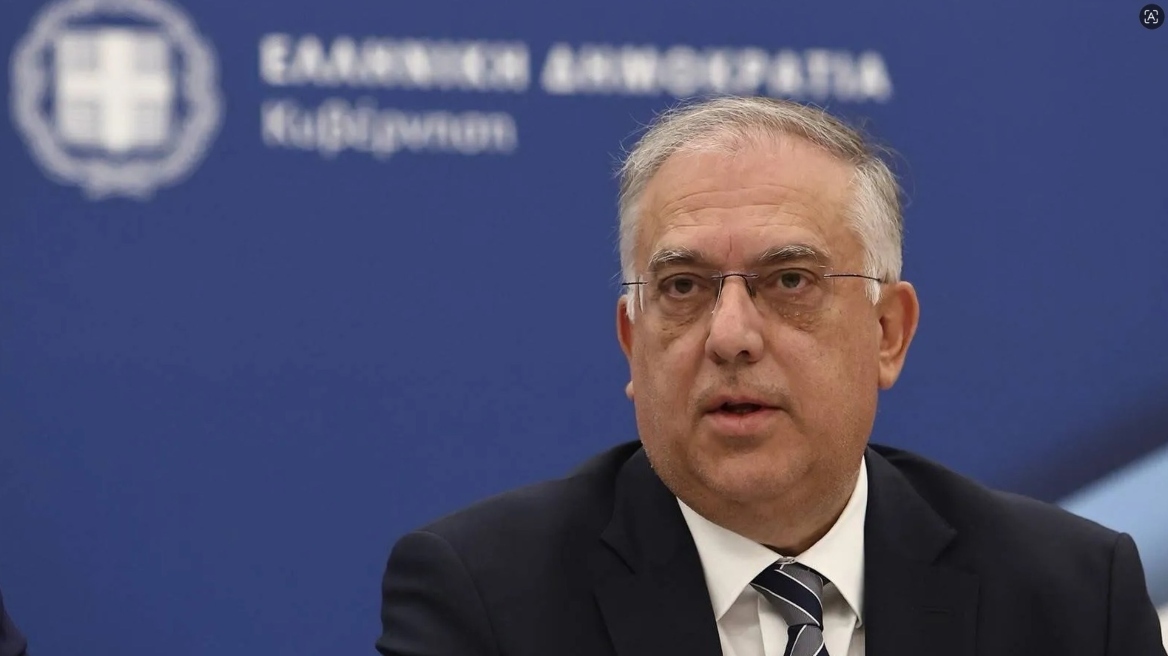
Greece's Minister of Development, Takis Theodorikakos, filed an amendment in parliament on 12 November setting a transitional period for businesses operating in consumer credit, with a deadline of 30 June 2027 for the review of their licensing applications to be completed.
The goal is to let installment purchases and consumer financing programmes continue without disruption, despite new licensing requirements introduced by Greece's consumer credit law.
The intervention comes at a critical moment for retail. On the same day the amendment was filed, major electronics and appliance chains including Plaisio, Kotsovolos and Public began their Black Friday offers, opening what is the most important commercial period of the year. Offers are due to peak on 27 November, followed by the Christmas shopping season, with retailers counting on a significant share of their annual turnover and interest-free installment programmes serving as a key tool to boost sales.
A practical problem under the new credit law
The amendment addresses an issue arising from the application of Law 5317/2026, which overhauls the rules on consumer credit and extends consumer protection to newer forms of financing, including "Buy Now, Pay Later" schemes. The new framework introduces stricter requirements for granting credit along with licensing and supervision obligations, meaning businesses in the sector need time to adapt.
The deadlines
Under the new provision, consumer credit brokers and businesses that provide credit as a supplementary activity will be able to keep operating temporarily, provided they submit a licensing application to the Bank of Greece by 20 November 2026.
The review of those applications must be completed by 30 June 2027 at the latest, so that the activities in question are not interrupted by possible delays in the licensing process.
What the new law covers
Law 5317/2026, which transposes European Union Directive 2023/2225 on consumer credit, broadens the scope of consumer protection rules to cover forms of financing that were not previously subject to the older regime. These include, with the exceptions set out in the legislation, short-term financing programmes and repayment in installments, even where no interest is charged.
The law also strengthens obligations to inform consumers about the real cost of credit, tightens requirements for assessing their creditworthiness, and introduces rules aimed at preventing over-indebtedness.
No relaxation of obligations
The transitional period does not mean a loosening of businesses' obligations, officials said. Companies that continue operating temporarily will remain under the supervision of the Bank of Greece, must continue to comply fully with consumer protection legislation, and will be entered in the relevant registries with a special notation marking their temporary operating status.
Theodorikakos said the amendment ensured uninterrupted consumer access to credit intermediation services so that people could benefit from programmes for buying goods and services with repayment in installments.
He added that the government was protecting consumers' interests without granting businesses any discount on their obligations towards them, at a time of intense inflationary pressure caused by the global geopolitical situation.