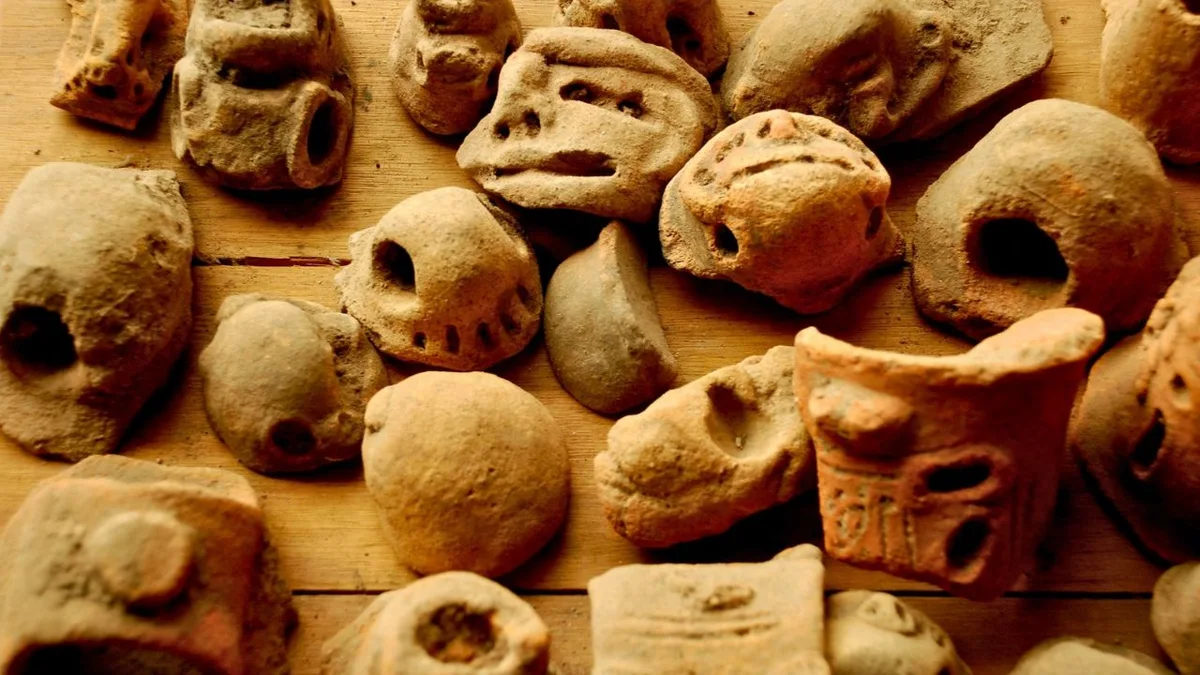
Archaeologists have identified clay figures in Israel dating back as far as 15,000 years, making them the oldest known evidence of a figurine-making tradition in the Near East, according to a new study. The discovery shows the practice existed thousands of years before the rise of farming communities.
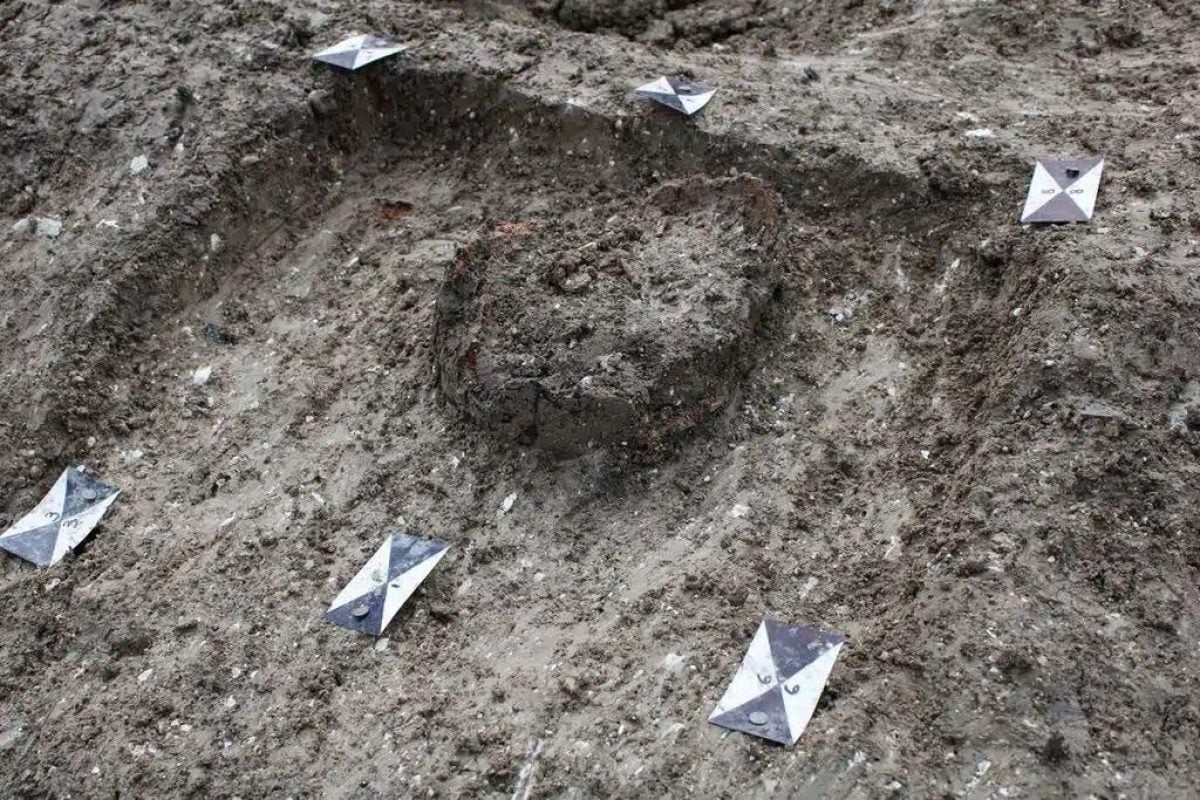
The research, published in the journal PLOS One, was carried out by an international team of archaeologists who examined artifacts from three sites in modern-day Israel: el-Wad Terrace on Mount Carmel, Hayonim Terrace in Galilee, and Eynan-Mallaha in the upper Jordan Valley.
Figures that depict a 15,000-year-old world
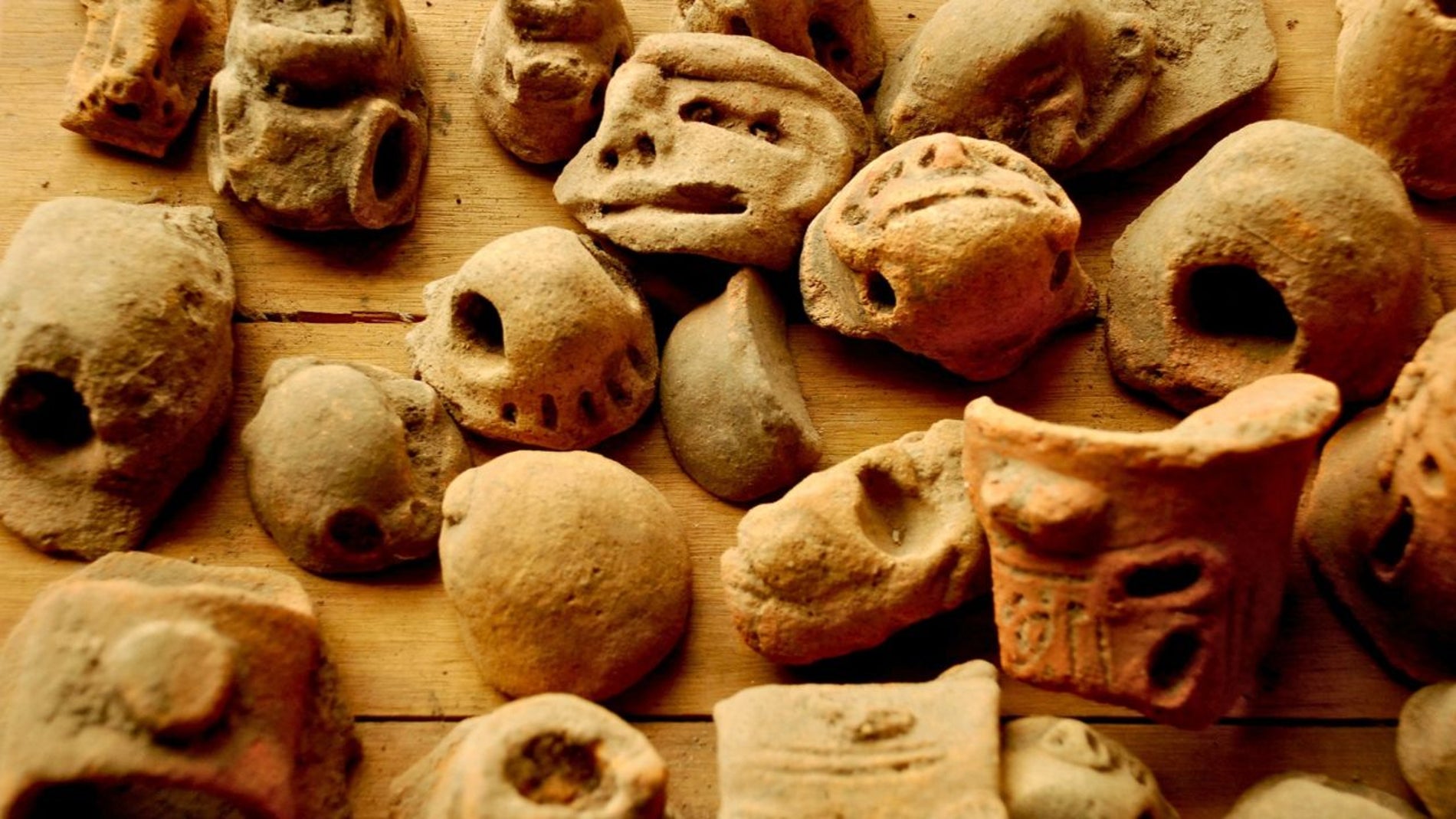
The team identified 154 clay figurative objects at the three sites. Of these, 15 were recognized as figures of animals and humans, while the remaining 139 were cylindrical elements interpreted mainly as possible fragments of bodies or limbs.
The researchers reached their findings by reviewing tens of thousands of small fragments of clay and heated sediment, amounting to roughly 40 kilograms of material, which allowed them to identify numerous objects that had gone unnoticed in earlier studies.
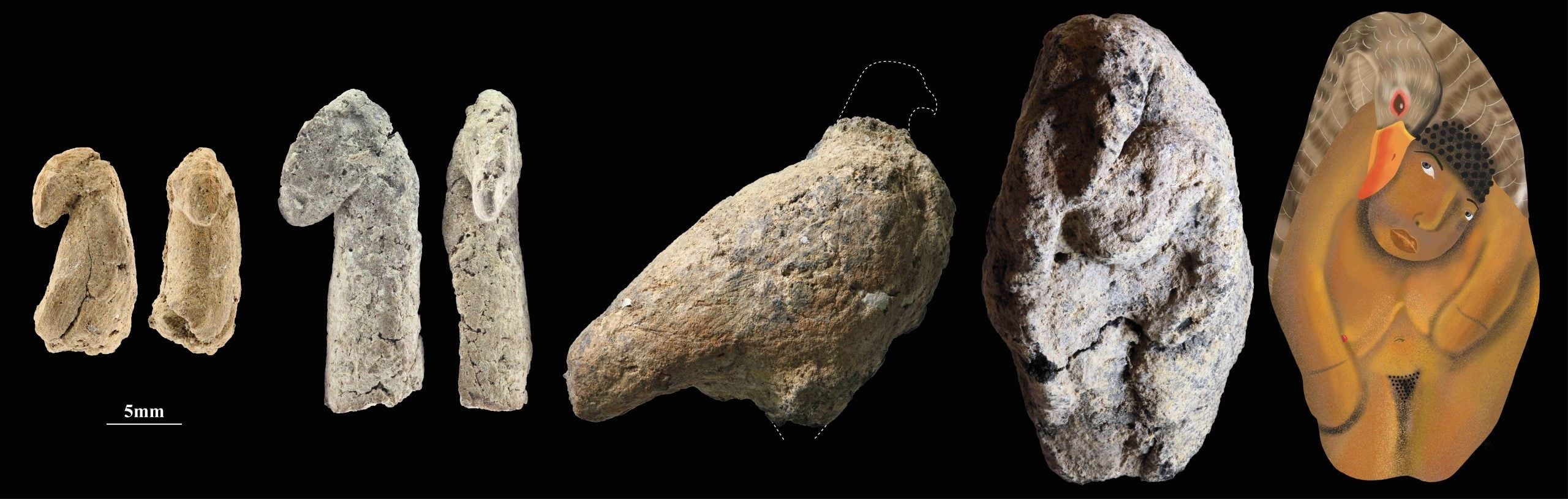
Birds feature prominently among the pieces identified. Some figures show features that allow researchers to recognize waterfowl and birds of prey, while others appear to depict specific behaviors of these animals. Several pieces also retain traces of reddish or orange pigment. One, interpreted as a gazelle's head, shows signs of decoration meant to reproduce details of its appearance.
The objects belong to the Natufian culture, which developed in the Mediterranean Levant during the final millennia of the Ice Age. Natufian communities are notable for a major shift in human history: they began establishing relatively permanent settlements while still relying on hunting and gathering to survive.
Fingerprints that reveal how the art was passed down
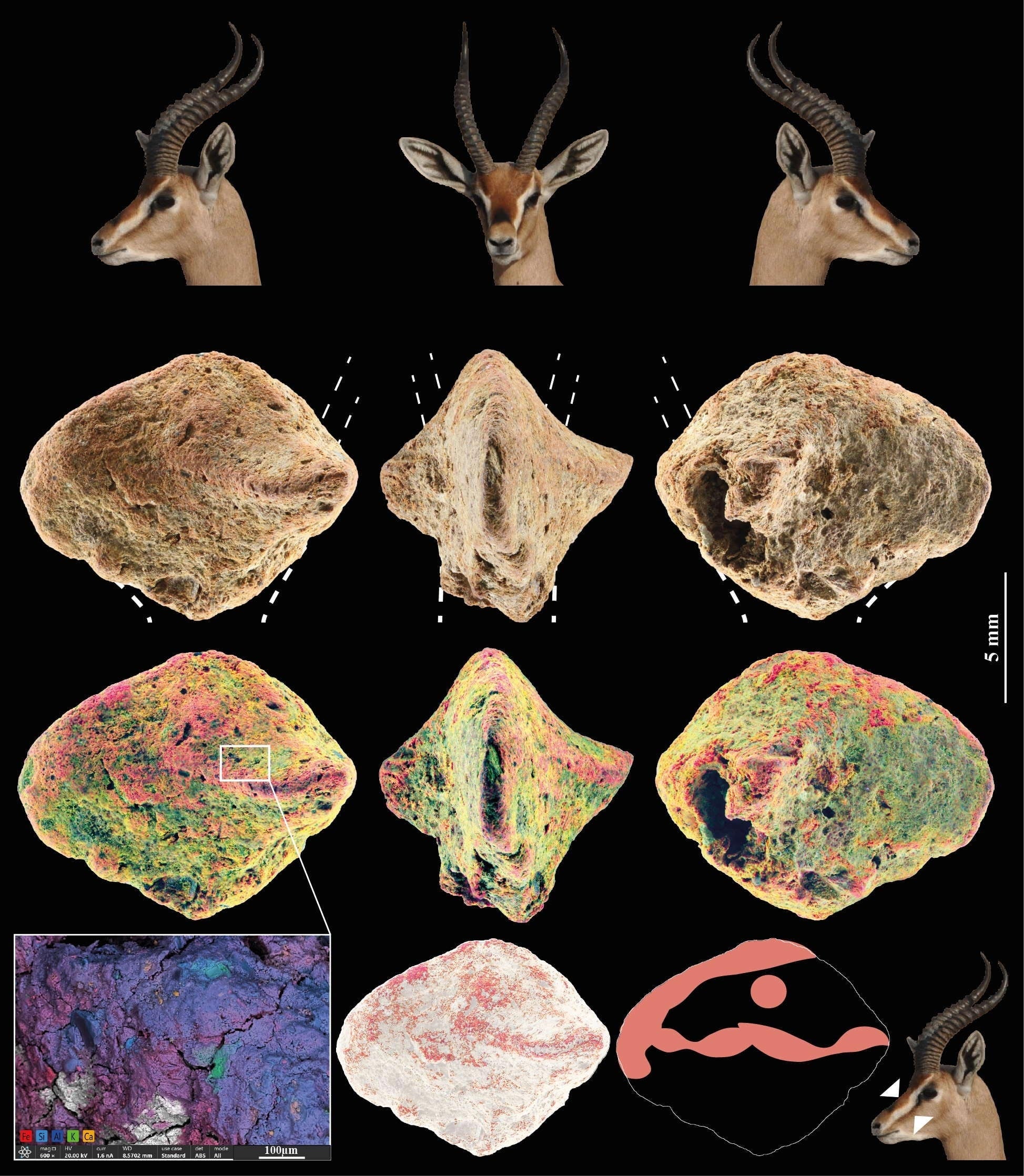
One of the most striking aspects of the discovery is the identification of fingerprints preserved on the surface of some of the objects. Analysis of these marks allowed researchers to find evidence that both adults and children took part in handling and shaping the pieces.
A particularly notable case is a stylized human figure found at Eynan-Mallaha, whose surface preserves the impression of an adult finger with a child's fingerprint later marked on top of it, according to the researchers.
Until now, clay figure-making was thought to have gained wider importance in the Near East during the Neolithic period, closely tied to the spread of agriculture and the development of new technologies. The objects identified in this study push the roots of this artistic tradition back considerably further in time.
The researchers say the discovery is especially significant because it shows that hunter-gatherer communities in the region were already using clay as a means of symbolic expression thousands of years before agricultural societies became established. Among the artifacts are representations of birds, mammals and humans, along with numerous fragments that likely belonged to other figures.

Test yourself
How many clay figurative objects did the archaeologists identify?
Which culture produced the clay figures?
What evidence suggests children helped make some figures?
Have your say
Does this discovery change how you think about hunter-gatherer societies?
Where it happened
Mount Carmel, Israel