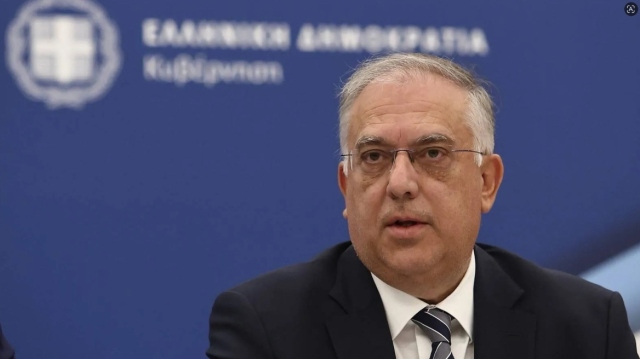
Greece's Independent Power Transmission Operator, known as ADMIE, says the electricity interconnection between Greece and Cyprus via Crete is set to be completed by the end of 2031. The project carries a budget of close to 2 billion euros and faces major technical challenges linked to sea depths of up to 3,000 metres along the route of the double cable through the Eastern Mediterranean.
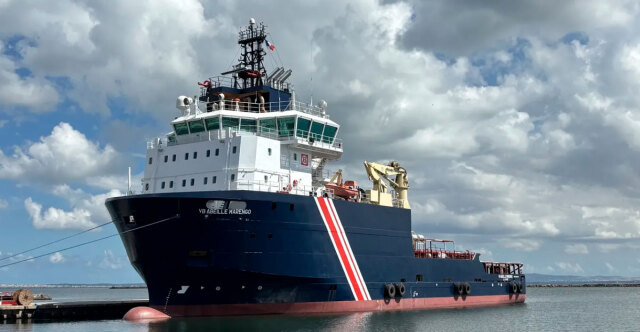
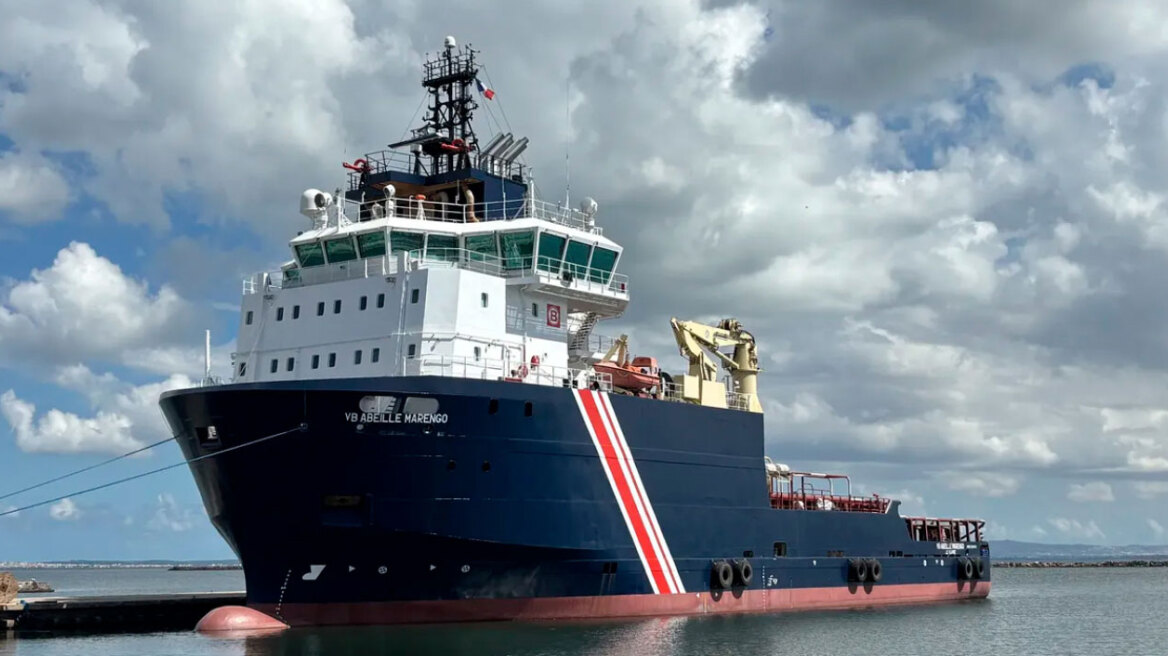
The route is currently being surveyed by the French vessel Abeille Marengo, which is carrying out seabed research under permits requested and issued by Greece and Cyprus.
According to ADMIE's latest development plan, covering 2027 to 2036, a contract has already been signed for the cable section of the interconnection, which is now under construction. Sixty percent of the marine surveys have been completed, and a preferred contractor has been selected to build the conversion stations. The plan calls for a new station to be built in Cyprus and for the existing one at Damasta, in Crete, to be expanded.
657 million euros in EU funding
The Crete-Cyprus interconnection will run 898 kilometres and carry a capacity of 1,000 megawatts, with completion targeted for the end of 2031. The project's total budget stands at 1.94 billion euros, of which 657 million euros is being covered by the European Union through the Connecting Europe Facility. The interconnection has been designated a Project of Common Interest by the EU, a status given to cross-border energy infrastructure that qualifies for EU co-financing.
Second stage: a link to Israel
The Crete-Cyprus cable is only the first section of the wider project. The second is a 310-kilometre interconnection between Cyprus and Israel, for which a feasibility study has already been completed with positive results. The study found the project would make a significant contribution to security of supply, to the uptake of renewable energy sources, and to the further integration of Eastern Mediterranean electricity markets with Europe's transmission system.
ADMIE said completing the project would connect Cyprus, the only EU member state not yet linked to the European transmission network, to that system, securing the island's energy supply. Israel, in turn, would strengthen its own security of supply and gain the ability to increase the share of renewable sources in its energy mix more quickly.
Annual savings of up to 138 million euros
A study by Aristotle University of Thessaloniki, presented recently at a conference held by the Institute of Energy for South East Europe, concluded that the interconnection would deliver a benefit of between 123 million and 138 million euros a year for electricity consumers once it is operational.
That benefit would fall mainly on consumers in Cyprus, where wholesale electricity prices are expected to drop by 21.5 euros per megawatt-hour, a fall of 19 percent, bringing them closer to prices in Greece. In Greece itself, the study found the interconnection's effect on prices would be negligible, ranging from minus 0.2 percent to plus 0.1 percent.
What happens next
ADMIE is targeting completion of the Crete-Cyprus interconnection by the end of 2031, with the cable section already under construction and marine surveys 60 percent complete.
Test yourself
When does ADMIE expect the Greece-Cyprus interconnection via Crete to be completed?
How much annual benefit for consumers does the Aristotle University study estimate from the interconnection?
How long is the planned second-stage cable connecting Cyprus and Israel?
Have your say
Should the EU keep funding large cross-border energy interconnection projects like this one?
Where it happened
Heraklion, Greece